7 Best Herbs to Grow in Pots for Beginners That Thrive
Want fresh flavor without a backyard? Pots + herbs = instant kitchen flex. These beginner-friendly plants forgive missed waterings, bounce back from trimming, and grow fast enough to keep your meals interesting. Stick them on a sunny windowsill or balcony and you’ll harvest in weeks, not months. Ready to snip like a pro?
1. Basil That Actually Thrives (And Loves Your Pasta)
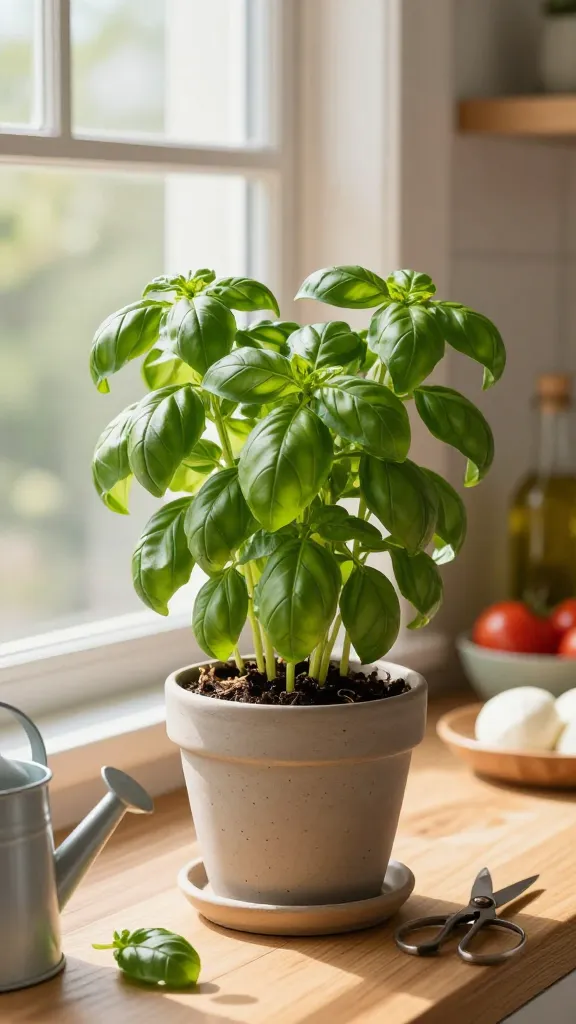
Basil grows fast, smells incredible, and makes you feel like a chef just by being near it. It loves warmth and sunlight, so give it the brightest spot you have. Snip it often and it rewards you with bushier growth and endless caprese salads.
Key Points
- Light: 6–8 hours of direct sun; a south-facing window is gold.
- Pot: 8–12 inches wide with great drainage.
- Soil: Light, well-draining potting mix; avoid heavy garden soil.
- Water: Keep consistently moist, not soggy; water when the top inch dries.
Pinch off flower buds to keep leaves sweet and tender. Harvest from the top, not the bottom, to encourage branching. Perfect for pizzas, pestos, and impressing dinner guests who “don’t even like basil” (sure, Jan).
2. Mint That Doesn’t Take Over Your Life (Because It’s In a Pot)
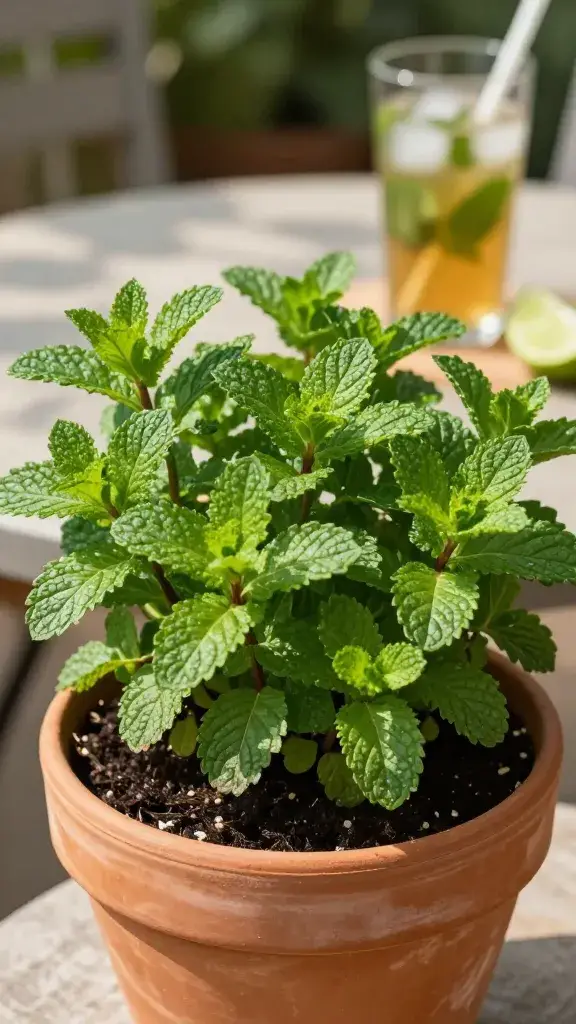
Mint grows like it drank three espressos. In a pot, you get all the fragrance and none of the garden takeover. It tolerates a bit of neglect and still churns out leaves for mojitos and iced tea.
Tips
- Light: 4–6 hours of sun; afternoon shade keeps it happy in hot climates.
- Pot: 8–10 inches, or a wide bowl; mint spreads more than it climbs.
- Water: Likes evenly moist soil; don’t let it bone-dry completely.
- Varieties: Spearmint for general use; peppermint for stronger flavor.
Snip stems just above a leaf node to keep it compact. Use it fresh, or freeze chopped mint in ice cubes for instant drink magic. FYI, this is the ultimate beginner confidence booster.
3. Chives for Zero-Drama Garnish on Everything
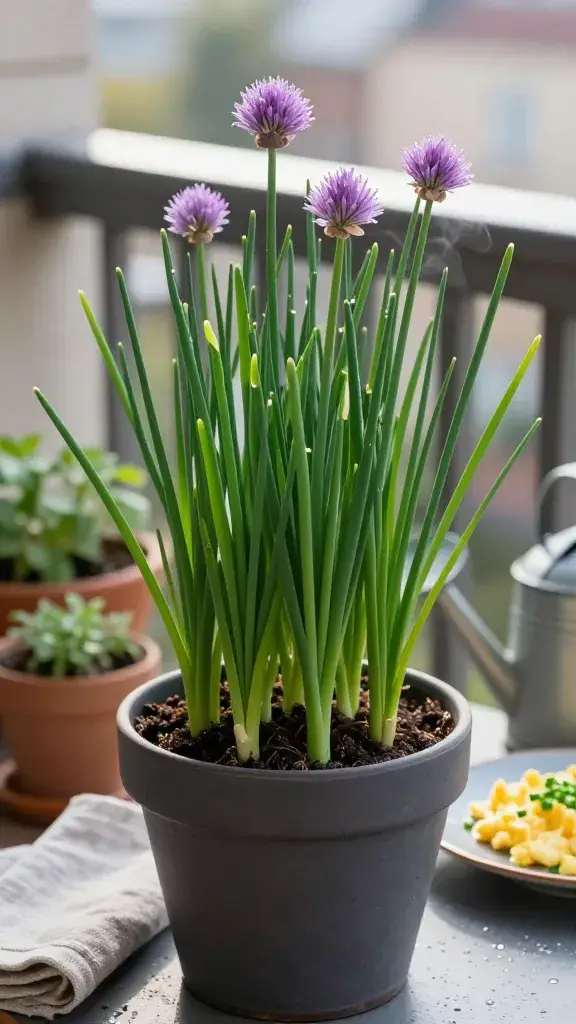
Chives are the set-it-and-forget-it herb. They handle chillier temps, bounce back after trimming, and add a gentle onion flavor to eggs, potatoes, and soups. Plus, the purple flowers? Edible and Instagram-cute.
Key Points
- Light: 4–6 hours of sun; they’re flexible.
- Pot: 6–8 inches; clumps expand over time.
- Water: Moderate; water when the top inch dries.
- Harvest: Shear a handful at once, leaving 2 inches at the base.
Divide the clump every year or so to keep it vigorous. Snip, sprinkle, done—your food suddenly looks restaurant-level with almost zero effort, seriously.
4. Parsley That Refuses to Quit (Curly or Flat? Your Call)
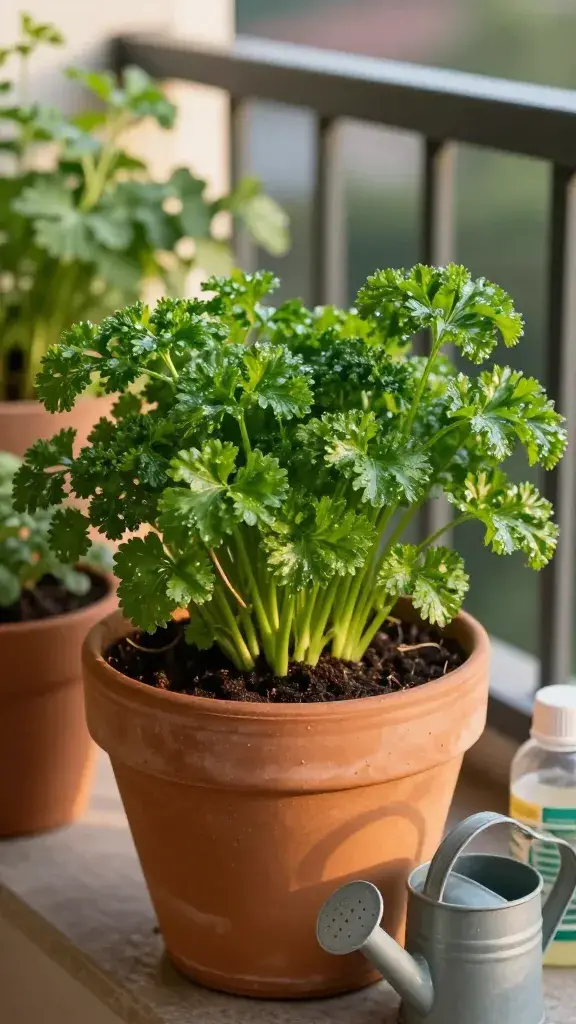
Parsley grows steady and strong, making it ideal if you want a reliable workhorse. Flat-leaf brings big flavor, while curly looks fancy on everything. It tolerates partial sun and cooler temps, which makes it extra beginner-friendly.
Tips
- Light: 4–6 hours of sun; does fine with morning light.
- Pot: 8–10 inches deep for its taproot.
- Water: Keep evenly moist; don’t let it wilt often.
- Feeding: Light fertilizer every 4–6 weeks to keep leaves lush.
Harvest outer stems first and let the inner ones mature. Use it in chimichurri, tabbouleh, or to save tired dishes with a pop of green. This is your steady BFF herb when others get dramatic.
5. Thyme That Packs Flavor in Tiny Leaves
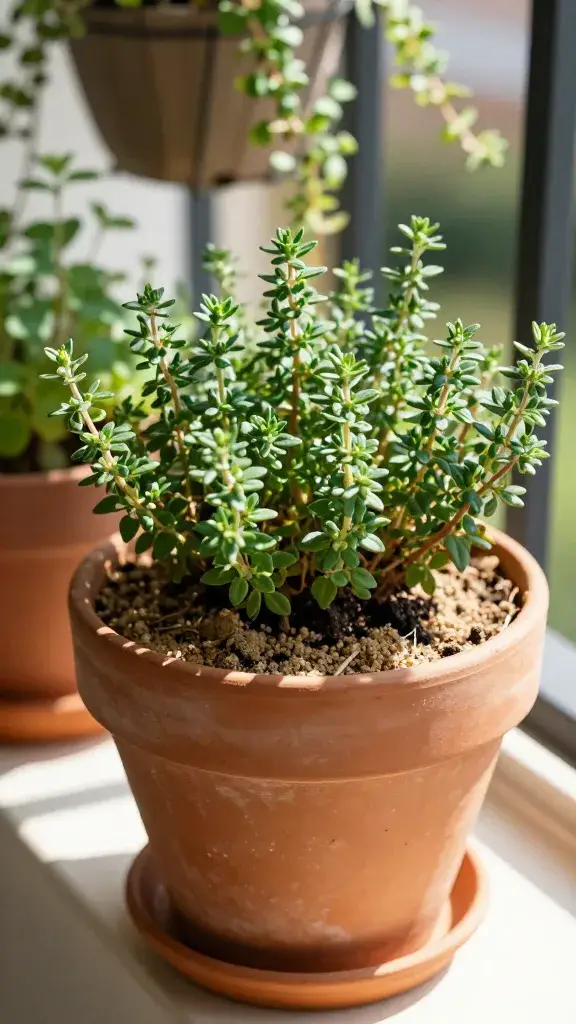
Thyme brings huge taste in small doses and handles drought like a champ. It doesn’t need coddling, which makes it ideal if you forget to water sometimes. Its trailing habit also looks great in a small pot or hanging basket.
Key Points
- Light: 6+ hours of sun; brighter = stronger flavor.
- Pot: 6–8 inches with sharp drainage.
- Soil: Sandy or cactus mix blended with potting soil works great.
- Water: Let soil dry between waterings; thyme hates soggy feet.
Snip stems right before flowering for best aroma. Toss into roasted veggies, chicken, or lemony pastas. IMO, thyme is the low-effort, high-payoff MVP.
6. Rosemary That Makes Your Balcony Smell Like a Mediterranean Vacation
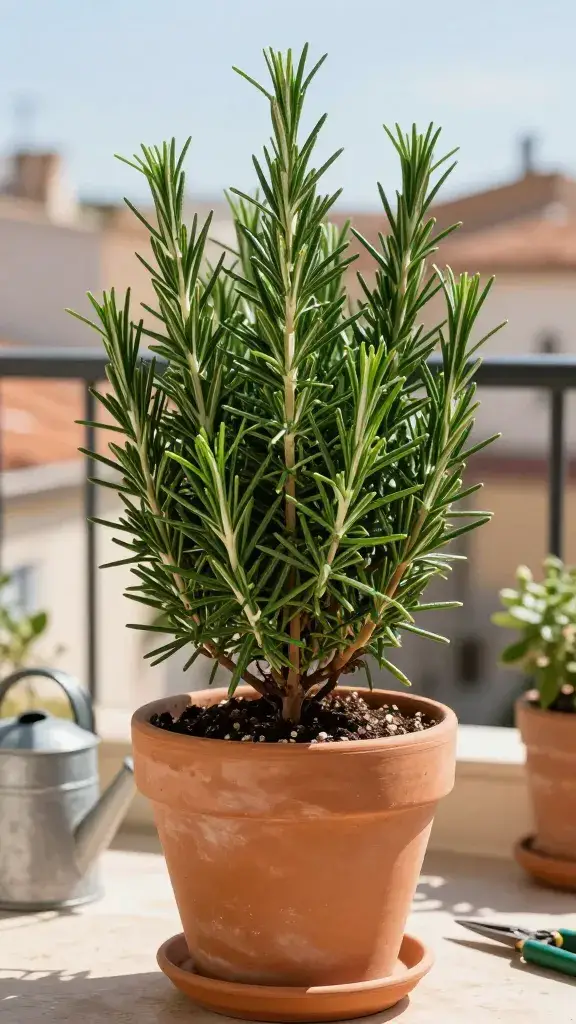
Rosemary is sturdy, aromatic, and ridiculously satisfying to grow. It loves sunshine and light breezes, and it forgives occasional under-watering. If you want one plant that screams “I’ve got my life together,” this is it.
Tips
- Light: 6–8 hours of sun; outdoors on a balcony is ideal.
- Pot: 10–12 inches with excellent drainage holes.
- Soil: Fast-draining; mix in perlite or sand.
- Water: Deep, infrequent waterings; let top 2 inches dry out.
Prune lightly to keep a tidy shape and avoid woody, leggy stems. Use fresh sprigs in roasted potatoes, focaccia, or infused olive oil. Bonus: brushing the plant as you walk by makes your place smell fancy for free.
7. Oregano That Loves Sun and Pizza Nights
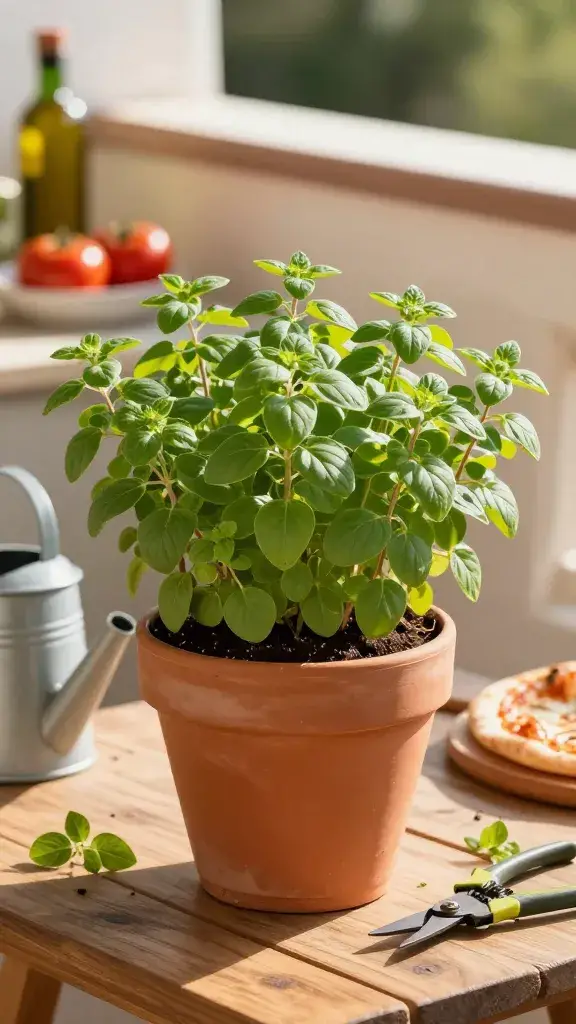
Oregano brings bold, peppery flavor and thrives in bright, dry conditions. It’s a great choice if you want that classic Mediterranean taste with little maintenance. Clip a few stems and your sauces suddenly taste “like Nonna made them.”
Key Points
- Light: 6–8 hours of sun; flavor intensifies in full light.
- Pot: 8–10 inches wide; allow room to spread.
- Water: Moderate; let the top inch dry before watering.
- Harvest: Trim regularly to prevent legginess and boost new growth.
Dry extra leaves by hanging small bundles upside down—homemade dried oregano beats store-bought any day. Use it on pizza, grilled veggies, and marinades. Trust me, you’ll wonder how you cooked without it.
Quick Setup Guide for All 7
- Pick the right pots: Drainage holes are non-negotiable. Add saucers to protect surfaces.
- Use quality potting mix: Not garden soil; choose herb or vegetable potting blend.
- Sun strategy: Rotate pots weekly so plants grow evenly. Grow lights help in low-light homes.
- Water smart: Finger test the soil. Morning watering beats evening (less mildew risk).
- Harvest often: Frequent trimming = bushier plants and better flavor.
Common Oopsies to Dodge
- Overwatering: Yellow leaves and wilt can mean roots drowning. Let soil breathe.
- Tiny pots: Roots need elbow room. Size up if growth stalls.
- Low light: Leggy stems scream “I need sun!” Move closer to the window or add a grow light.
- Mixing water needs: Don’t plant thirsty basil with drought-loving thyme in one pot.
Ready to play plant parent with benefits? These seven herbs make your food tastier, your home smell amazing, and your windowsill look like a cozy café. Start with two or three, get a few wins, and then build your mini herb empire—harvest tongs at the ready.
Share this content: