7 Best Chicken Breeds for Small Backyards That Still Lay Well
Short on space but big on breakfast dreams? You can absolutely keep happy hens in a tiny yard and still score a steady stream of eggs. These seven breeds stay compact, handle confinement like champs, and keep those egg cartons full. Ready to meet your feathered MVPs?
1. Bantam Australorps: Pint-Sized Powerhouses
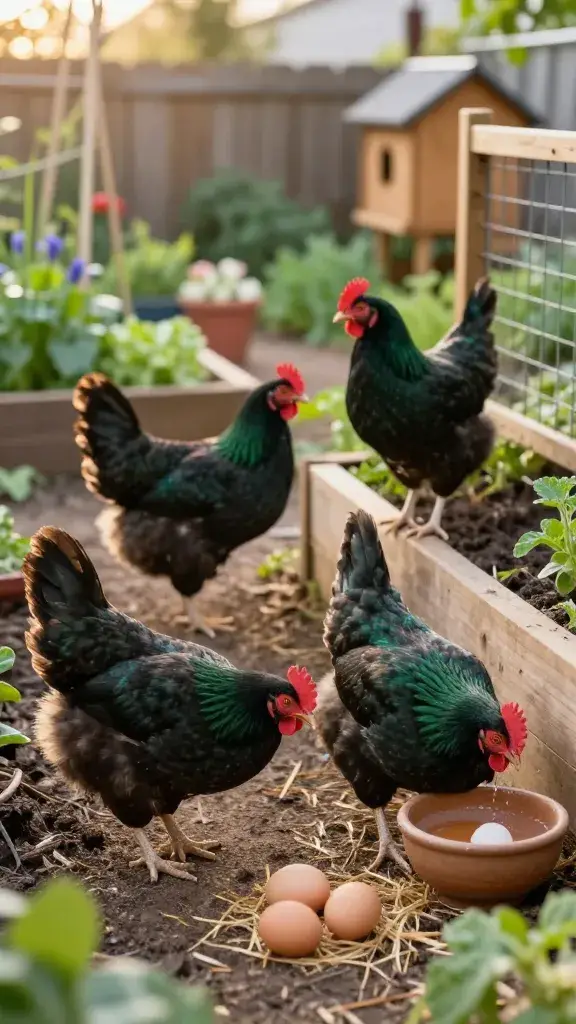
Bantam Australorps bring the legendary laying reputation of their standard cousins, just in a smaller, backyard-friendly package. They stay calm, tolerate close quarters, and lay more than you’d expect for their size.
Why They Shine
- Egg Output: Steady layers with excellent consistency for bantams.
- Temperament: Sweet, mellow, and easy to handle—great for families.
- Space Savvy: Compact bodies mean smaller coops and runs work fine.
Got limited square footage but want reliable eggs and low drama? These little legends deliver without the attitude.
2. ISA Browns: The Overachievers In Sneakers
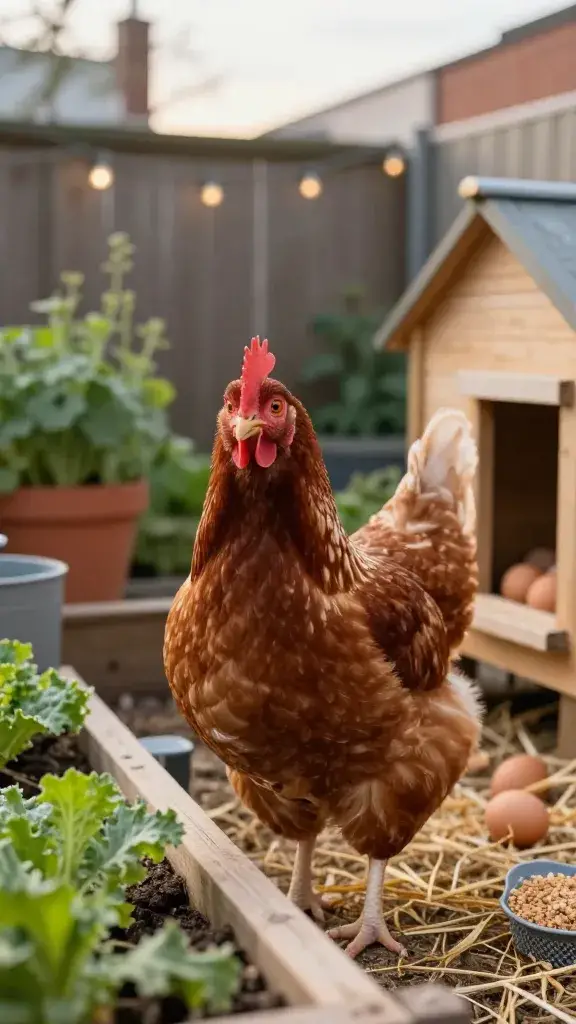
ISA Browns are hybrid egg machines that don’t quit. They lay early, lay often, and fit beautifully into small setups if you give them a decent routine.
Key Points
- Egg Output: 5–6 large brown eggs per week, consistently.
- Personality: Friendly and curious; they’ll follow you like tiny dogs.
- Care Notes: Keep nutrition high and stress low to maintain output.
Want a dependable egg basket and a bird that won’t mind urban life? ISA Browns are your low-fuss, high-reward pick, FYI.
3. Plymouth Barred Rocks: The Striped Backyard Icons
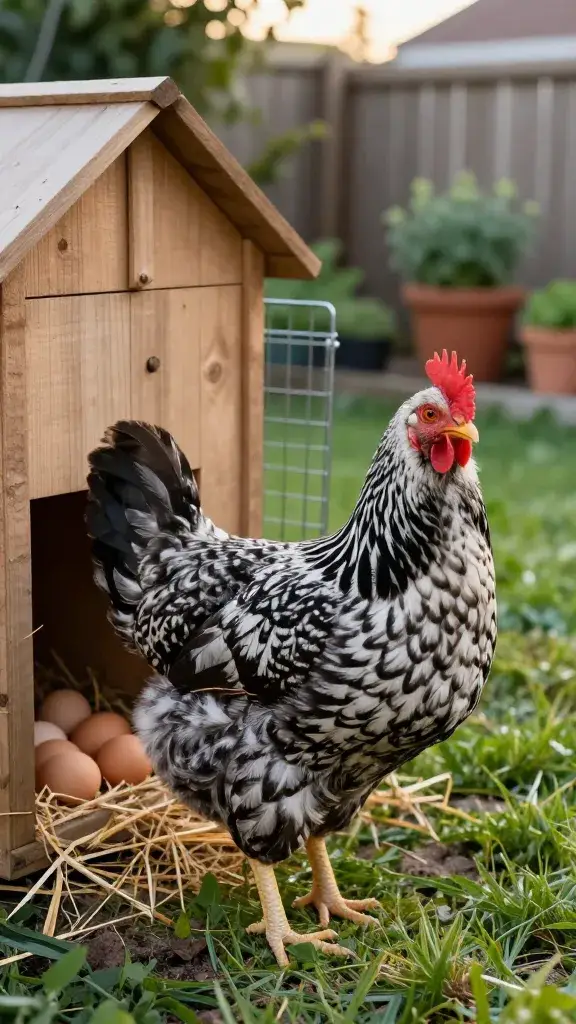
Barred Rocks bring serious charm with their zebra stripes and chill vibe. They adapt well to confinement and still give you excellent egg numbers.
Why They Work In Small Yards
- Hardiness: Tough in different climates, from chilly winters to hot summers.
- Eggs: 4–5 brown eggs weekly, medium to large.
- Temperament: Confident but kind; great community birds.
If you want a classic backyard hen that pulls her weight and looks fabulous doing it, Barred Rocks fit the bill.
4. Pearl Leghorns: Light Bodies, Heavy Egg Baskets
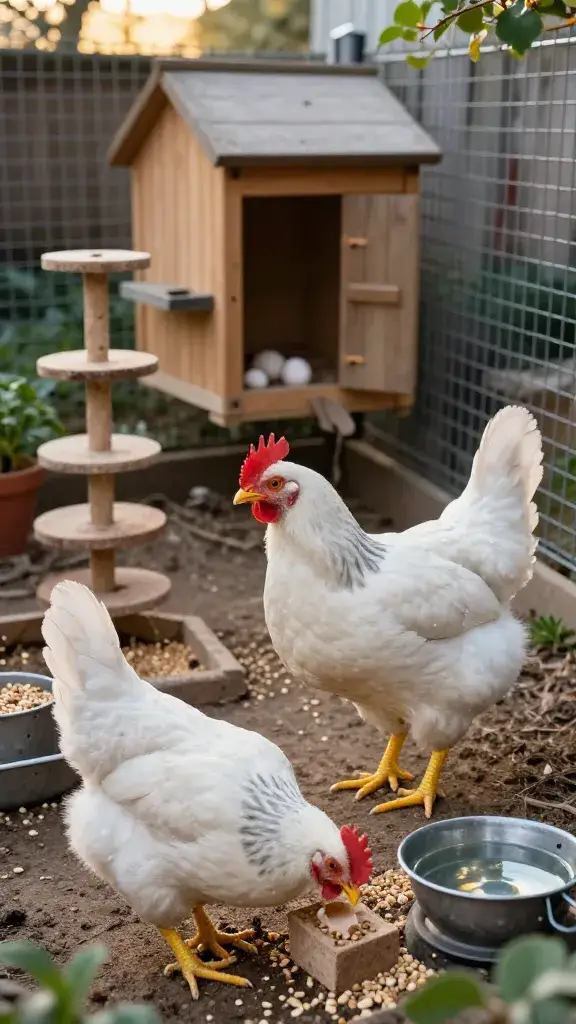
Leghorns are lean, clever, and unbelievably productive. The Pearl variety keeps that output high while staying surprisingly manageable in small spaces.
Tips For Happy Leghorns
- Egg Output: 5–6 white eggs per week—seriously impressive.
- Energy Level: High; give them perches, puzzles, and pecking blocks.
- Feed Efficiency: Excellent food-to-egg conversion, which your wallet will love.
Need max eggs per square foot? Go Leghorn. Just add enrichment and a secure run, and you’re golden.
5. Plymouth Blues (Azure/Blue Hyrbids): The Chill, Blue-Egg Beauties
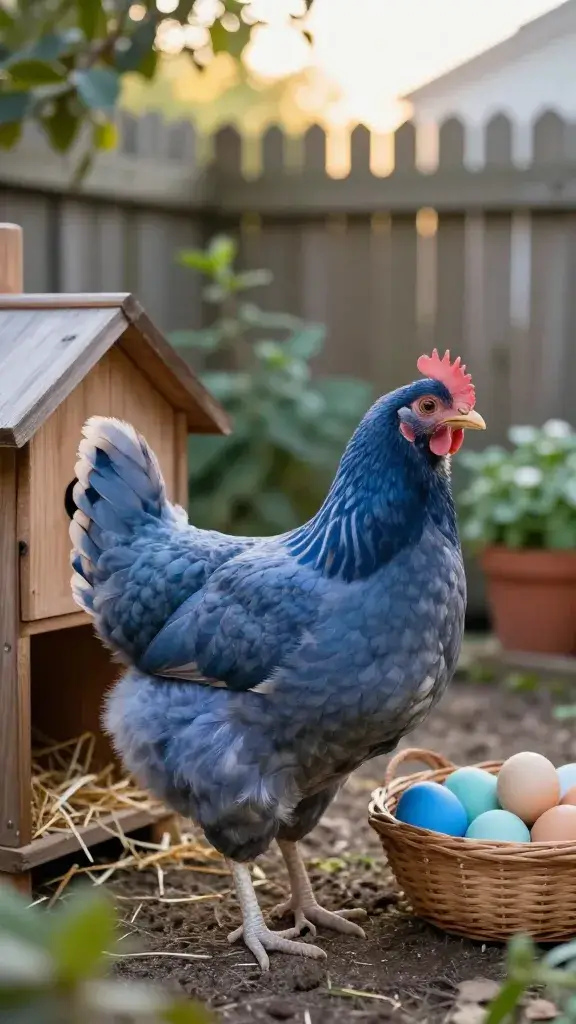
Looking for eggs with a side of wow? Blue-egg hybrids offer color without sacrificing productivity or temperament. They stay friendly and compact, which your neighbors and coop will appreciate.
Good To Know
- Egg Color: Gorgeous blue or blue-green shells—instant brunch cred.
- Egg Output: 4–5 eggs weekly, reliably.
- Temperament: Calm, people-friendly, and coop-content.
If you want Instagram-worthy cartons plus steady production, these blue layers bring the vibe and the volume.
6. Sussex (Speckled Or Light): The Polite Multitaskers
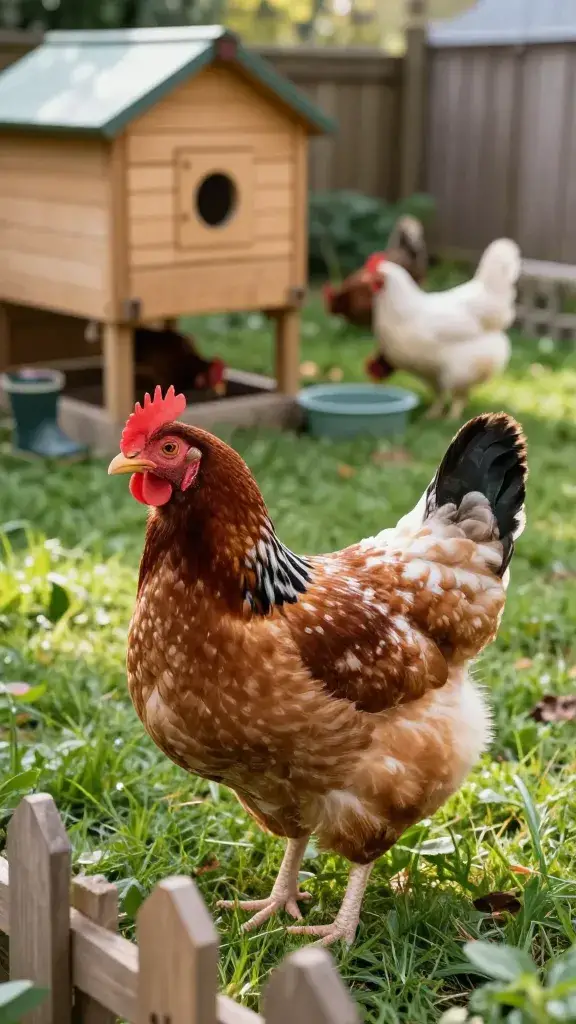
Sussex hens feel like the polite neighbors who also bake you cookies. They’re gentle, adaptable, and surprisingly productive even in modest runs.
Perks You’ll Notice
- Eggs: 4–5 light brown eggs a week.
- Disposition: Affectionate and calm—great with kids.
- Backyard Fit: Handle confinement well yet enjoy short supervised free-range sessions.
Want a friendly flock that plays nice and lays well? Sussex checks every box, IMO.
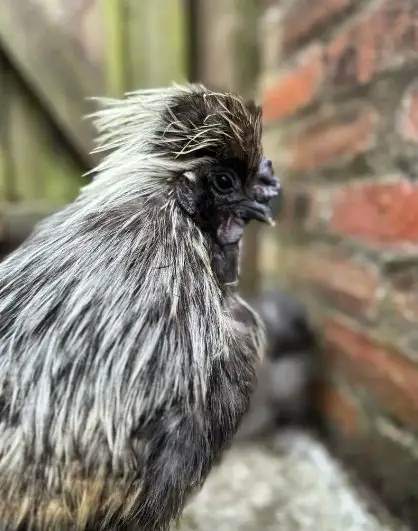
7. Silkies (With A Smart Egg Strategy)
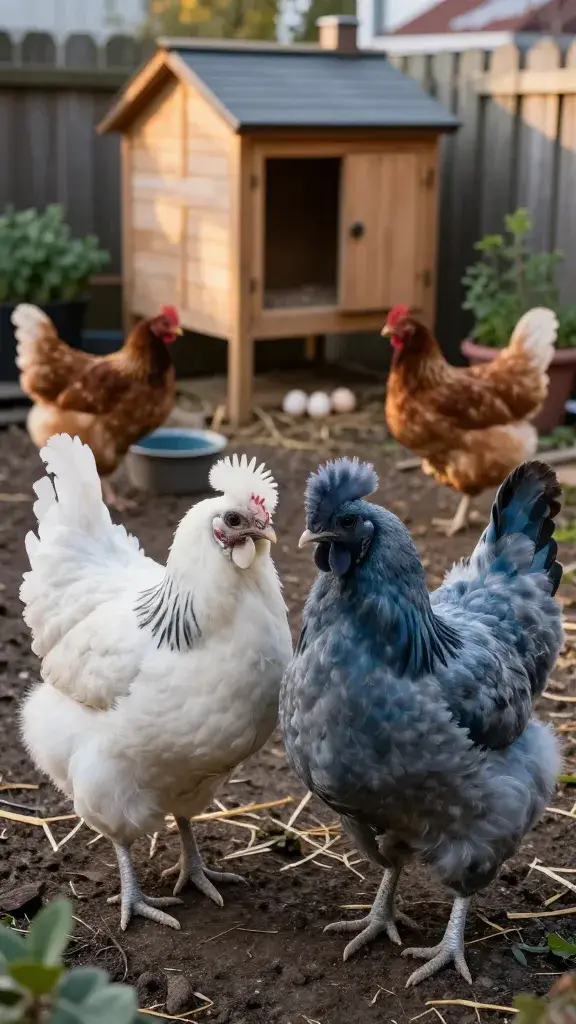
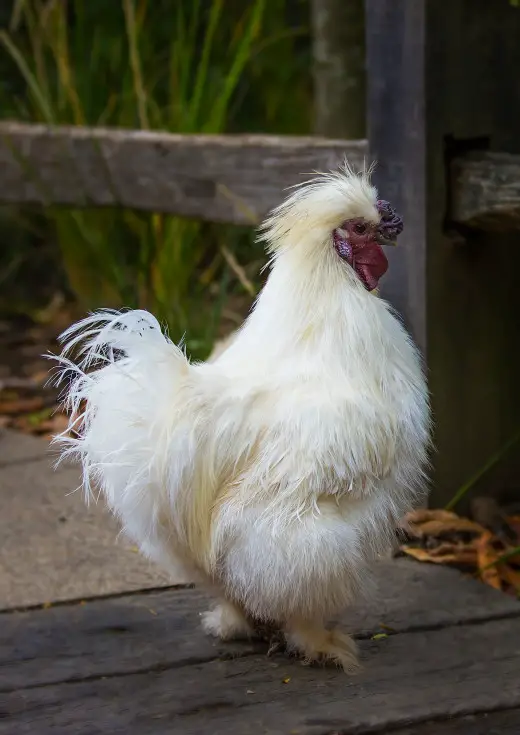
Curveball time: Silkies don’t top egg charts, but they thrive in tiny spaces and make phenomenal flockmates. Their small size and quiet personalities keep things peaceful, and with the right plan, you’ll still get enough eggs.
How To Make Silkies Work
- Egg Output: 3–4 small cream eggs weekly when not broody.
- Broody Alert: They love going broody; collect eggs often and use fake eggs sparingly.
- Pro Tip: Pair 2 Silkies with 2–3 heavy layers (like ISA Browns) for balance.
If you want ultra-cute, tiny-footprint birds who play well with others, Silkies shine—just support them with a couple of heavy hitters for year-round omelets.
Small-Yard Setup Essentials (Quick Cheatsheet)
- Space: Aim for 3–4 square feet per bird in the coop; 8–10 in the run.
- Perches: Sturdy, 8–12 inches of roost space per hen at least.
- Nesting Boxes: One box per 3 hens; line with straw or shavings.
- Feed & Water: Keep it clean and shaded; add oyster shell free-choice.
- Enrichment: Hanging greens, dust baths, logs, and pecking blocks reduce boredom.
- Noise & Neighbors: Hens are usually quiet; skip roosters in small yards (and, you know, local laws).
Dial in the basics, and even a pocket-sized coop turns into Egg Central. Your brunch crew will thank you.
Choosing The Right Mix
- For Maximum Eggs: ISA Browns + Pearl Leghorns.
- For Calm Vibes: Bantam Australorps + Sussex.
- For Colorful Cartons: Blue-egg hybrids + Sussex or Barred Rocks.
- For Kid-Friendly: Silkies + Bantam Australorps + Sussex.
Mix 3–5 hens total in a small yard for easy care and happy neighbors. Variety keeps the flock balanced and fun.
Seasonal Laying Tips
- Winter: Add wind breaks, dry bedding, and high-protein treats; optional safe lighting for 14 hours of “daylight.”
- Summer: Shade, electrolytes in water during heat waves, and frozen veggie cubes—yes, they love them.
- Molt Season: Expect fewer eggs; boost protein and chill.
Support their cycles and they’ll reward you with steady baskets, even in a compact space. Trust me, consistency beats heroics.
Common Small-Yard Mistakes (And Easy Fixes)
- Overcrowding: Leads to pecking and stress—fewer birds, happier flock.
- Weak Predator Proofing: Use hardware cloth, not chicken wire; bury a 12-inch apron.
- No Dust Bath: Provide sand/soil/wood ash mix to prevent mites naturally.
- Monotone Diet: Layer feed 90%, treats 10%; add oyster shell for shells that don’t crack.
Fix these basics and your birds will thrive, even in a shoebox yard. Okay, not literally a shoebox—but close.
Ready to turn your tiny backyard into an egg factory with personality? Pick two or three breeds from this list, set up a cozy coop, and let the clucking commence. Small space, big flavor breakfast—coming right up.
Share this content: