6 Outdoor Duck Enclosure Ideas for Cleaner and Safer Backyards
Ducks are adorable goobers, but wow can they trash a yard fast. Mud pits, mystery puddles, feathers everywhere—sound familiar? These six enclosure ideas keep your flock safe, your lawn intact, and your neighbors impressed. Let’s build smarter spaces that look good, clean easy, and make your ducks waddle-happy.
1. Predator-Proof Walk-In Aviary That Stays Clean
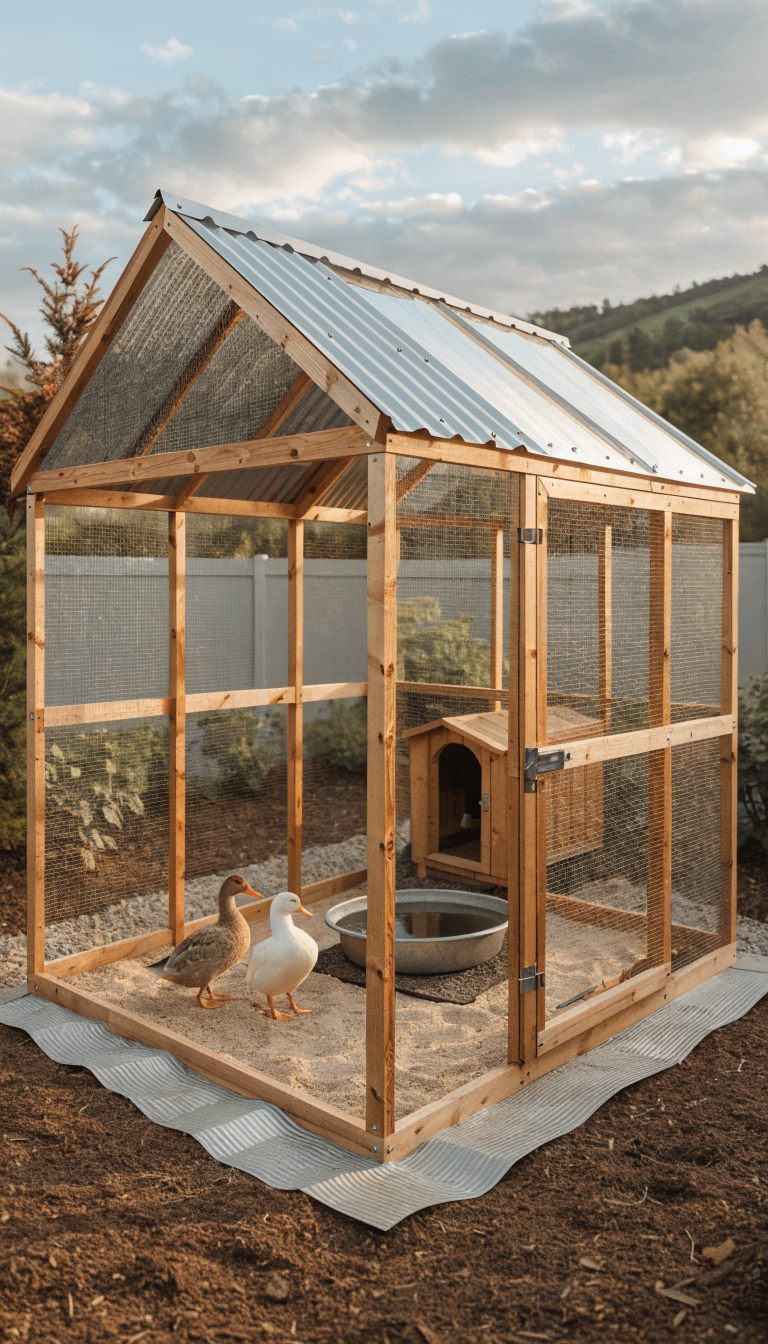
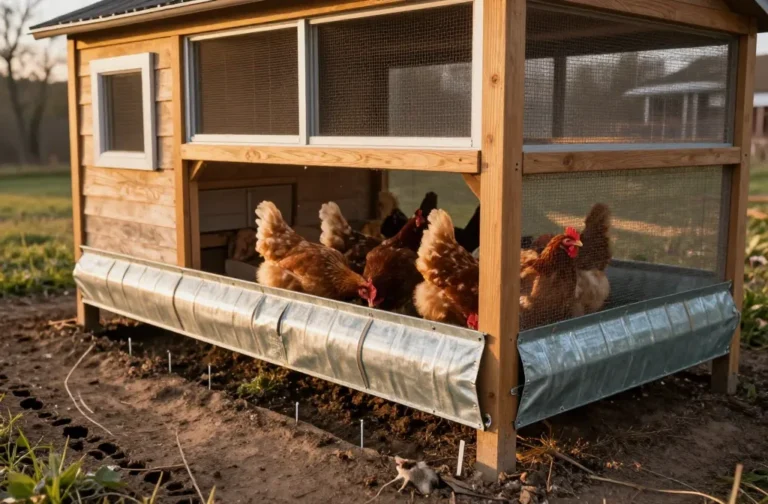
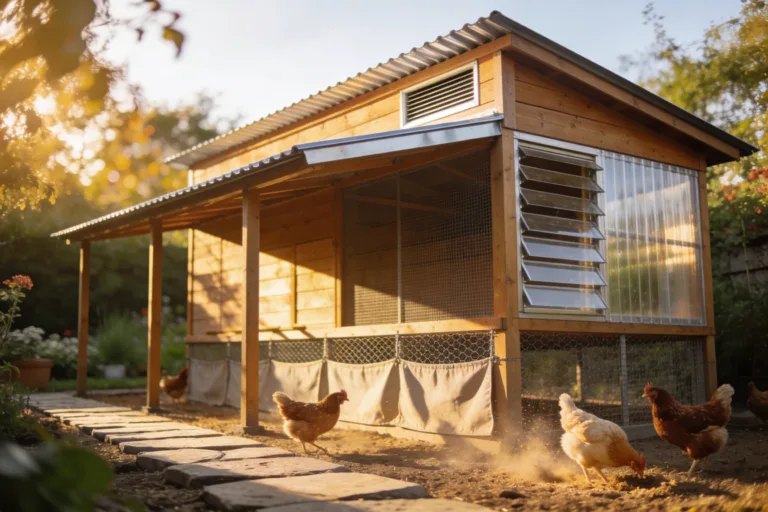
Think of this as your duck HQ: roomy, secure, and surprisingly stylish. A walk-in aviary gives you elbow room to clean, refill waterers, and grab eggs without a wrestling match with wet fencing. Plus, you can lock it down tight at night and relax without checking for raccoons every five minutes.
Key Features
- 1/2-inch hardware cloth on all sides and the roof to block paws and beaks
- Dig-proof skirt (12–18 inches of hardware cloth laid flat and buried around the perimeter)
- Solid roof or clear polycarbonate panels to reduce mud and control runoff
- Door with two-step latch to outsmart clever predators
Skip flimsy chicken wire—predators laugh at it. Build at least 6 feet tall so you can walk in and your ducks get airflow. Add a gutter to channel rain into a barrel for easy water top-ups. End result: safer birds, cleaner shoes, and less late-night panic.
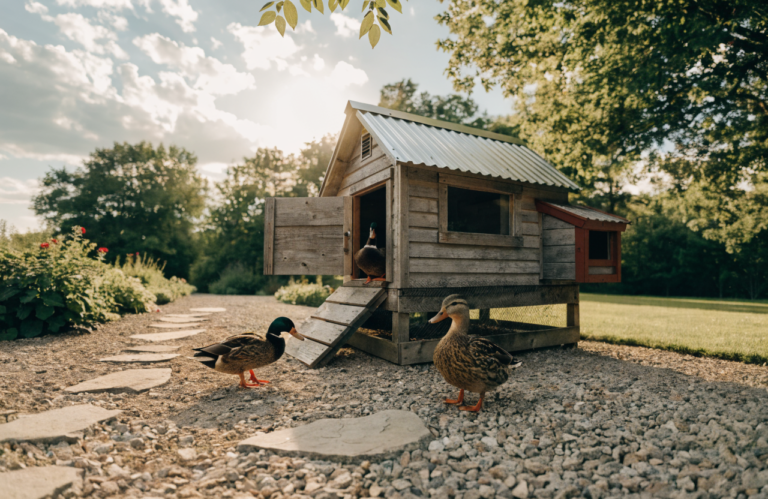
2. Drain-Friendly “No-Mud” Floor System
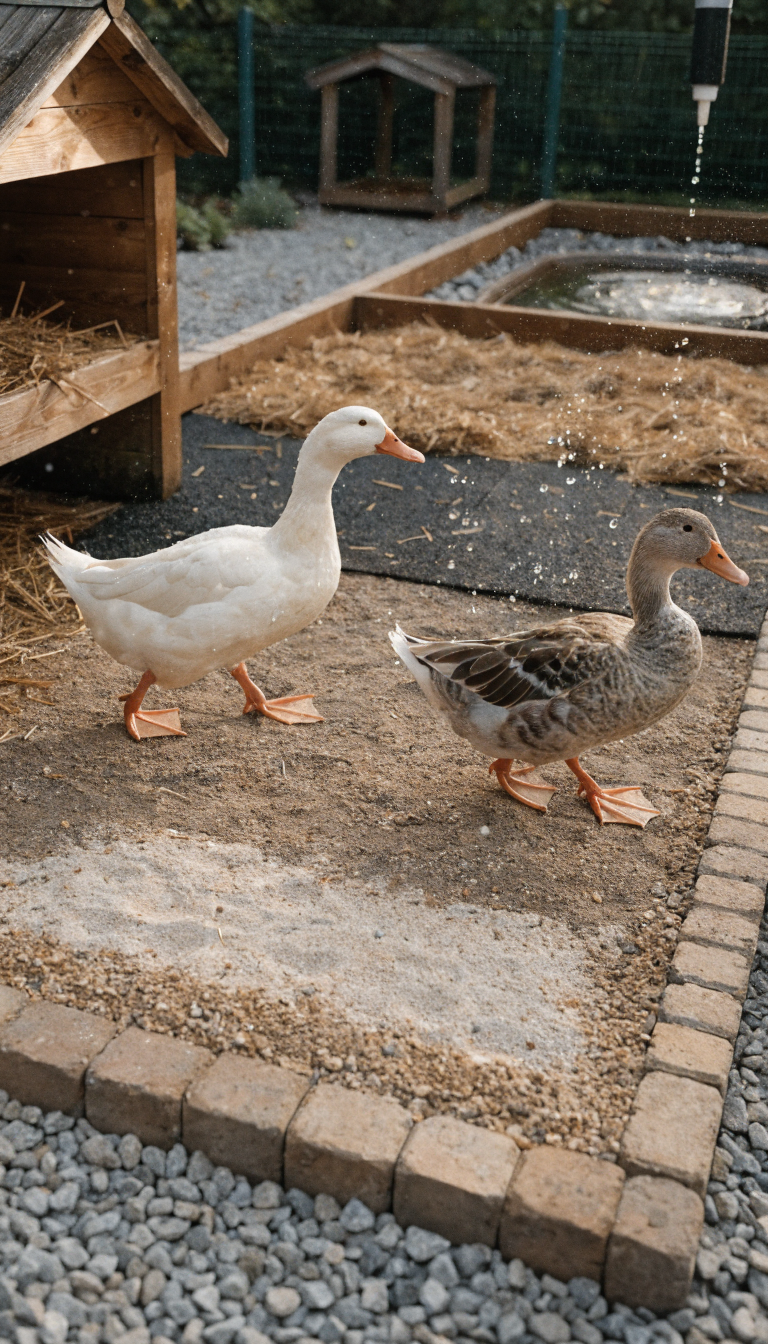
If ducks had a love language, it would be mud. You can’t stop it completely, but you can outsmart it. A layered floor setup drains fast, stays drier, and cuts down on stink—your future self will send a thank-you note.
Materials That Work
- Base layer: 3–4 inches of compacted crushed gravel for drainage
- Top layer options: river rock, pea gravel, coarse sand, or rubber stall mats + deep bedding
- Border: treated timber, bricks, or pavers to contain materials
Place splash zones (like under waterers) over pea gravel for fast draining. Use coarse sand in lounging areas—it rakes clean and dries quickly. Prefer soft footing? Rubber stall mats plus 3–4 inches of wood chips or hemp bedding create a cushy, hose-and-go cleanup. Your grass stays alive, and your ducks stay less swamp monster.
Best when you battle soggy ground or you’re sick of tracking sludge inside.
3. Modular Duck Run With “Zoned” Living
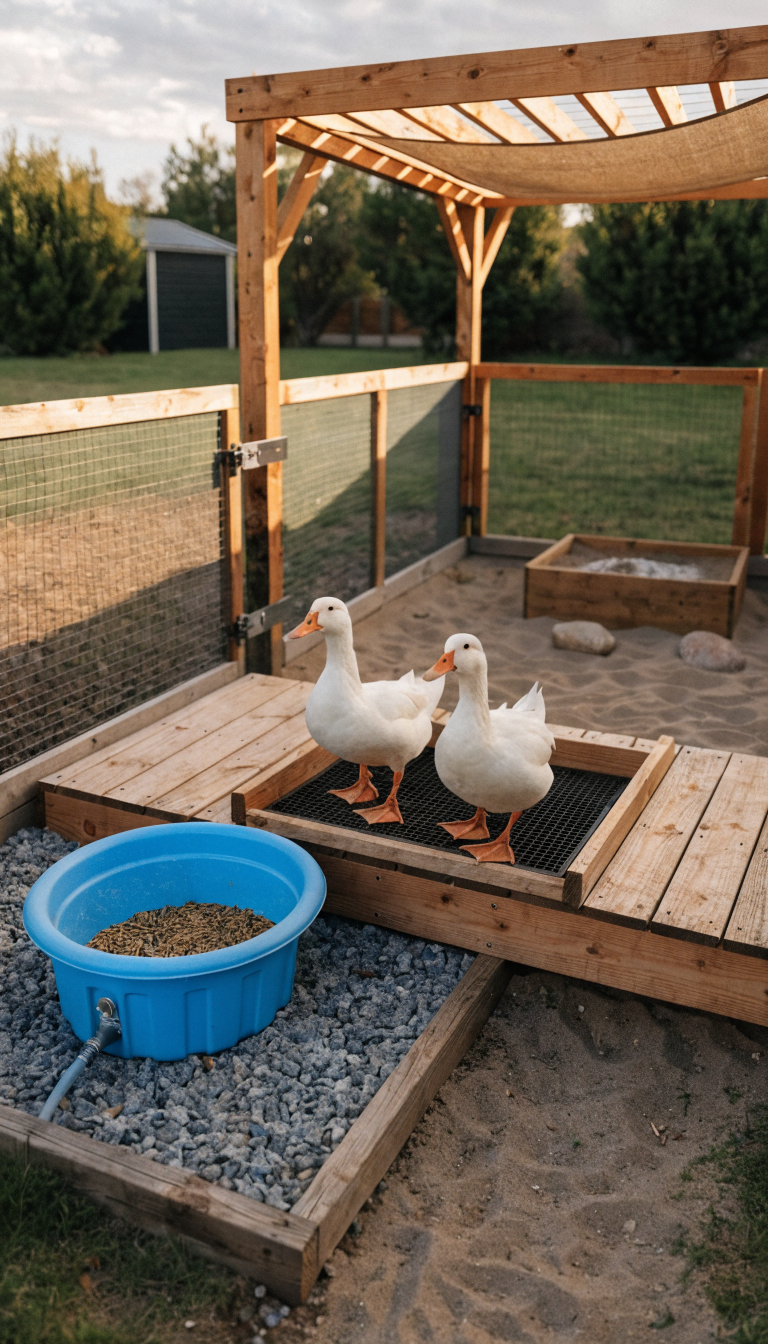
Ducks thrive with zones: eat here, splash there, nap elsewhere. A modular run turns chaos into flow, and it makes cleaning faster because messes stay where they happen. It also looks intentional, which is a fun flex when friends visit.
Smart Zones To Include
- Feeding platform: raised deck with rubber mats to keep pellets out of mud
- Water station: kiddie pool or stock tank on gravel with a drain spigot
- Shade lounge: low pergola or shade sail over sand
- Dust bath corner: box of dry dirt + wood ash for preening
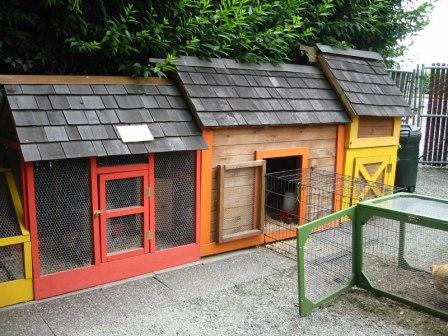
- Night coop: secure house with locking door and good ventilation
Keep high-splash areas downwind and slightly downhill. Add removable dividers with cattle panels so you can rotate zones or separate rowdy drakes. Use pavers between zones to create dry walkways for, you know, humans. Perfect for medium flocks and tidy-minded keepers, IMO.
4. Natural Pond Setup With Filtered “Duck Spa”
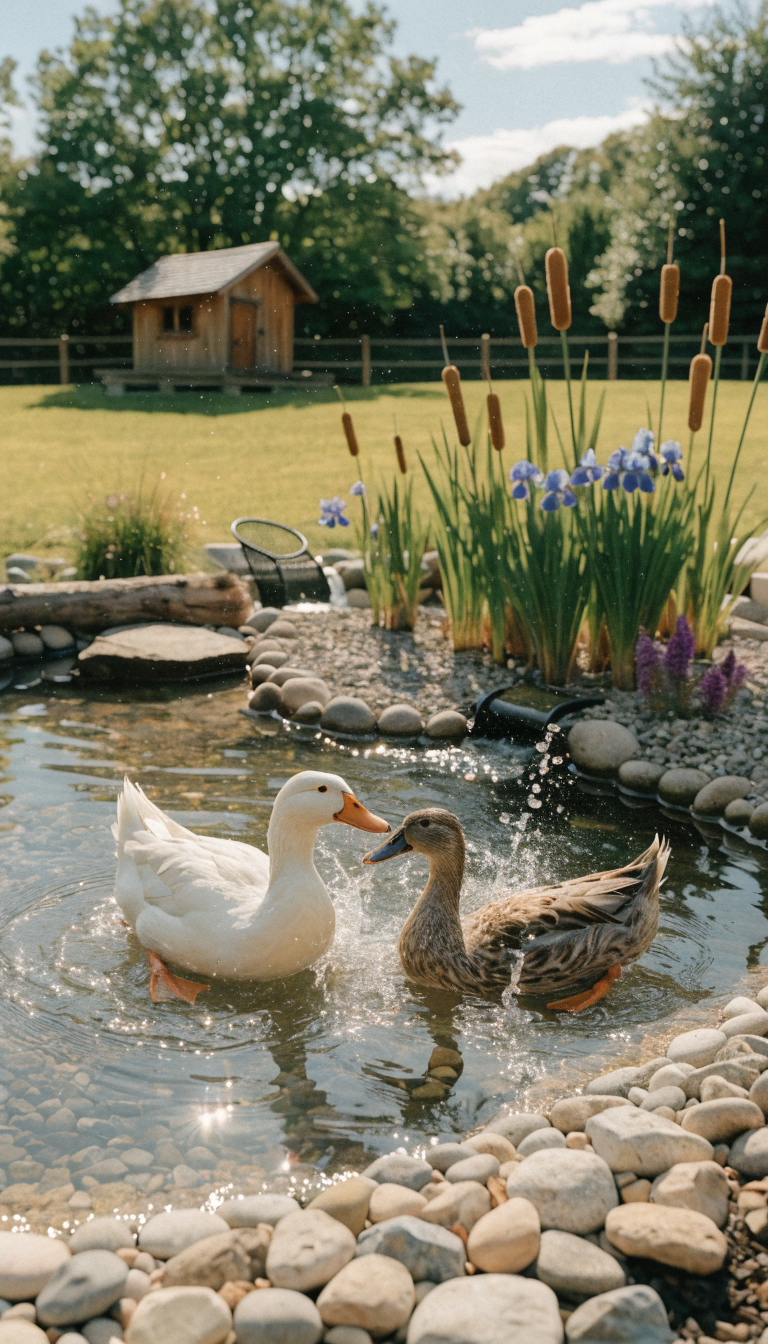
Want the dream setup? A small, lined pond with proper filtration gives ducks their splash time without turning into a green soup. It looks gorgeous and reduces your water changes—aka more watching duck zoomies, less hauling buckets.
How To Build It Without Tears
- Pond liner with sloped entry so ducks waddle in safely
- Swim zone + bog filter: pump water into a shallow gravel bog planted with cattails, iris, or pickerel
- Overflow spillway to a mulch bed or rain garden
- Side skimmer or net to catch feathers and debris
Keep depth around 18–24 inches with a beach-style ramp for easy exits. Aim for 2–3 pond volumes filtered per hour. Plant the bog thick for natural nitrification. You’ll still need to skim and rinse the filter, but the water stays clearer and way less smelly. Best for larger yards and folks who want a centerpiece that also works hard.
Tips
- Fence the pond with low, discreet wire to control erosion and direct traffic.
- Use a stock tank as a starter pond if you want simpler maintenance.
- FYI: Never add fish unless you like juggling two ecosystems.
Great when you want maximum enrichment with minimal mud mayhem.
5. Mobile Grazing Tractor To Save Your Lawn
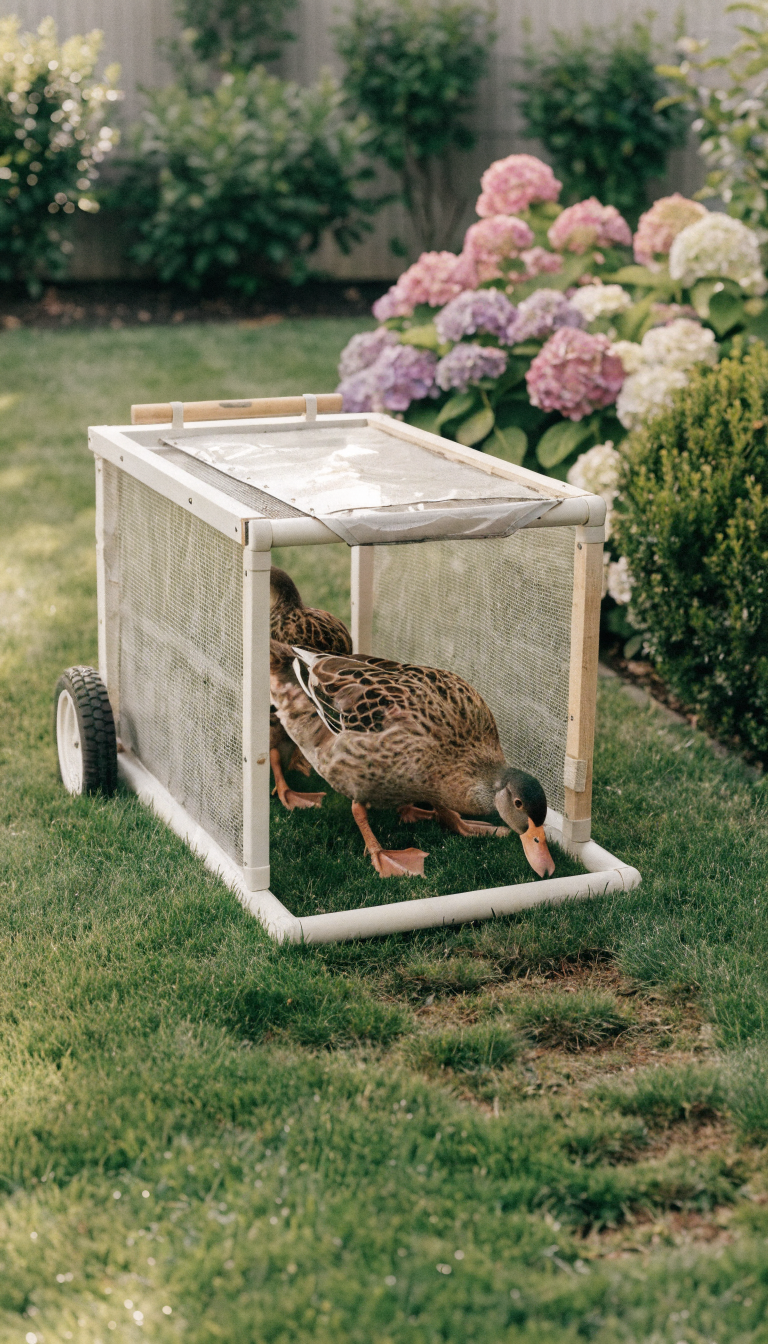
Ducks mow, weed, and fertilize—sometimes too enthusiastically. A mobile tractor spreads the love around your yard while shielding plants you actually care about. Move it daily, and your grass looks refreshed instead of wrecked.
Build Notes
- Lightweight frame (PVC or 2×2 lumber) with hardware cloth sides
- Open bottom so ducks forage on fresh grass
- Wheels + handles for easy moving (your back will thank you)
- Rain cover panel so they get shade and dry spots
Run sizes depend on your flock, but aim for at least 8–10 square feet per duck for daytime use. Rotate clockwise around the yard to give grazed areas a break. Add a small waterer and feeder inside, or park it near a station so you’re not schlepping supplies all day. This shines for suburban yards and anyone trying to keep the HOA chill.
When To Use
- Short stints for grazing and bug control
- Integrating ducks into garden beds off-season without massacre-level damage
- Training young ducks to stay contained
Outcome: lawn stays tidy, ducks stay busy, and you feel like a rotational grazing genius.
6. Covered “Wash-and-Walk” Water Station
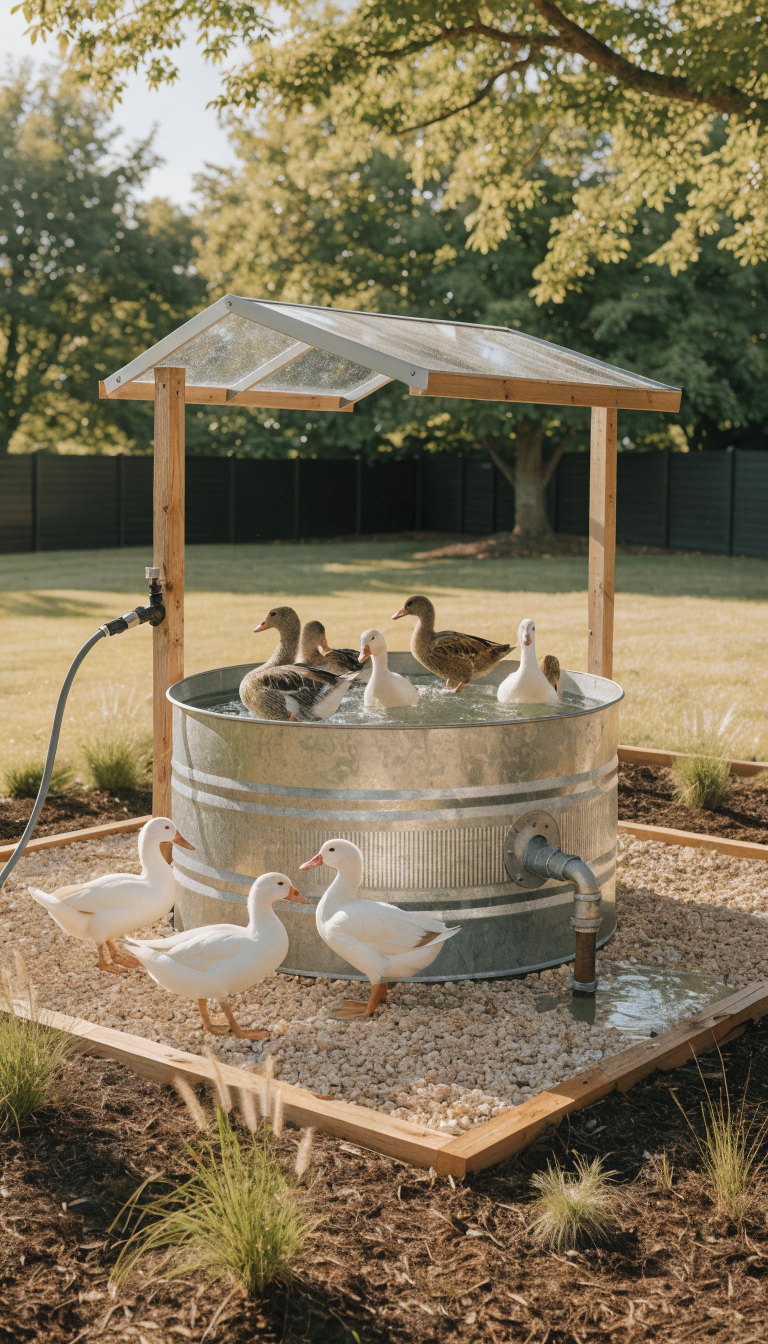
Let’s be real: water is where the chaos happens. Create a dedicated splash zone that drains, filters, and refills fast so you spend minutes, not hours, on cleanup. Your yard stays dry, and your ducks still get their glorious bath time.
Design Essentials
- Stock tank or kiddie pool set on pea gravel with a bulkhead drain
- French drain or dry well connected to a mulch bed or rain garden
- Shade roof or clear cover to limit algae and keep mess contained
- Quick-connect hose with a shutoff valve for speedy refills
Install the drain so you can pull a plug and whoosh—dirty water goes where plants want it, not into your boots. Add a rubber mat walkway so you can keep feet dry while you dump and rinse. Swap two smaller tanks instead of one giant one if lifting isn’t your thing. Seriously, this station is a sanity saver.
Upgrades
- Foot rinse sprayer on a hook for fast cleanups
- Floating net to snag feathers daily
- Timer for auto top-ups (just don’t leave it unsupervised)
Use this in any setup where you want clean water fast and zero puddle creep.
You don’t need a farm to give ducks a good life—you just need smart design. Pick one or two ideas to start, then layer in upgrades as you go. Your ducks will thrive, your yard will recover, and you’ll feel like the backyard engineer you were obviously meant to be. Now go build something quacktastic.
Share this content: