6 Best Duck Breeds for Backyard Beginners You’Ll Love
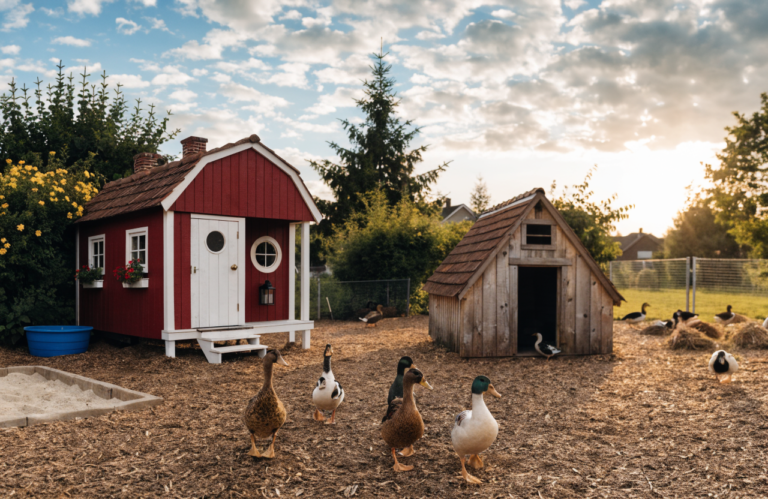
Starting a backyard flock and want ducks that won’t test your sanity? You’re in luck. The right breed lays delicious eggs, stays friendly, and doesn’t need a fancy setup. Let’s skip the fluff and dive into six beginner-friendly duck breeds you’ll love caring for—and bragging about.
1. Pekins: The Big, Friendly Marshmallows
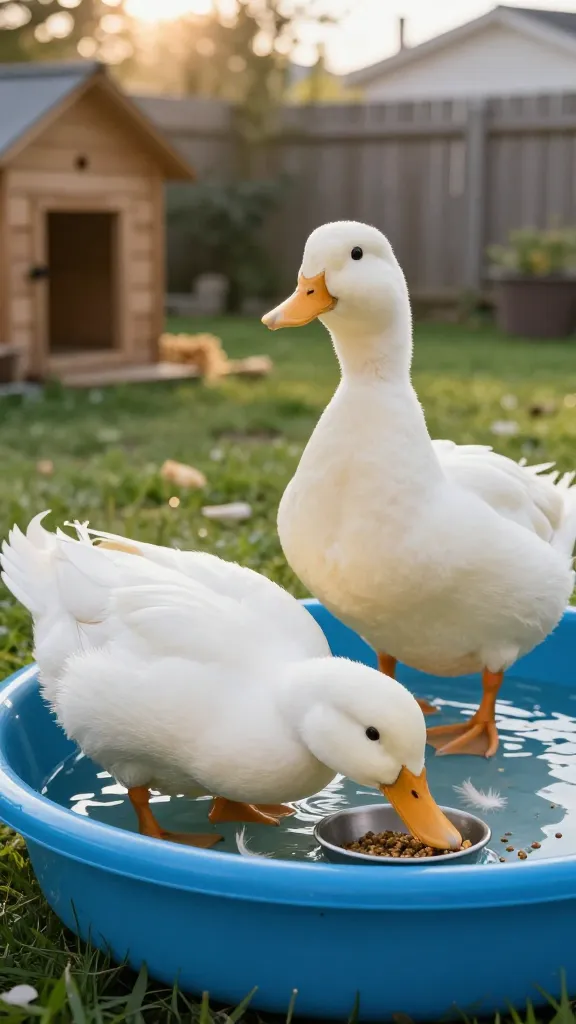
Pekins look like walking clouds and act like golden retrievers with bills. They grow fast, lay well, and keep a chill vibe even when you fumble the feed bucket. If you want a classic, low-drama duck, start here.
Why They’re Awesome
- Personality: Calm, curious, and usually not flighty
- Eggs: 150–200 large white eggs per year
- Body Size: Big and sturdy, easy to handle
Pekins love kiddie pools and wide water bowls, not deep ponds. They eat like linebackers, so plan for feed upgrades as they grow. FYI, they quack loudly when excited—your neighbors might learn your feeding schedule.
Care Tips
- Give a dry, draft-free coop with deep bedding; they splash a lot.
- Use a sturdy ramp—big bodies + short legs = awkward climbers.
- Offer shade; white feathers reflect heat but summer still hits hard.
Best for families and first-timers who want a friendly, classic duck that thrives with simple care.
2. Khaki Campbells: The Egg-Laying Machines
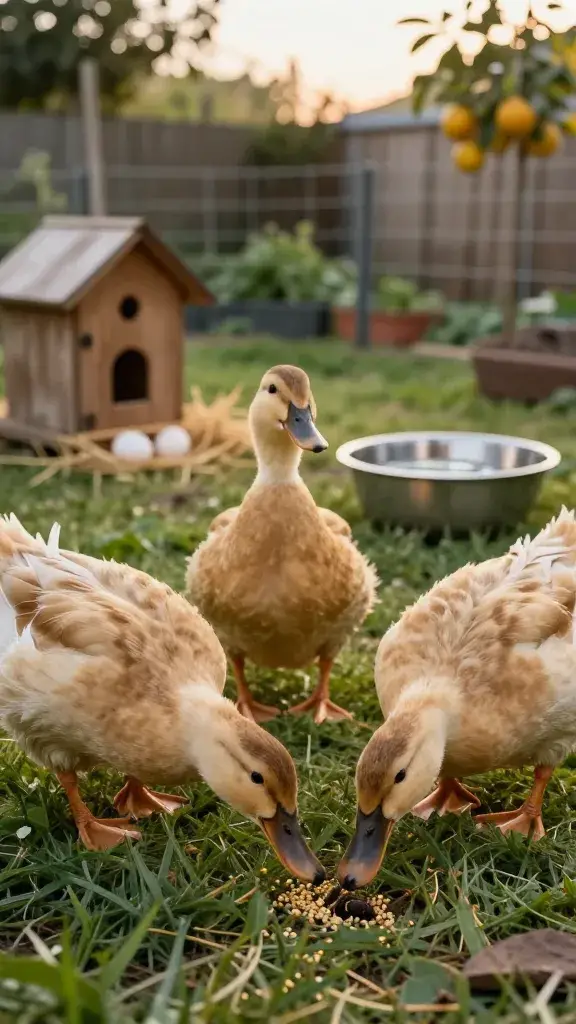
If you want eggs, Campbells deliver like clockwork. They’re lean, active, and ridiculously efficient foragers. Think “FitBit-wearing athlete” but with webbed feet.
Why They’re Awesome
- Eggs: 220–300 medium khaki/white eggs per year (yes, really)
- Temperament: Independent, a bit shy but not mean
- Feed Efficiency: Great foragers that stretch every pellet
They prefer routine and space to roam. Handle them gently from duckling stage to reduce shyness. If you want daily omelets without drama, this is your MVP.
Care Tips
- Give a secure run—they’ll chase bugs all day.
- Keep waterers slightly elevated to reduce splashy mud zones.
- Offer a covered area; they appreciate calm, shaded hangouts.
Best for egg-focused keepers who like a low-maintenance, productive flock.
3. Welsh Harlequins: The Friendly Supermodels
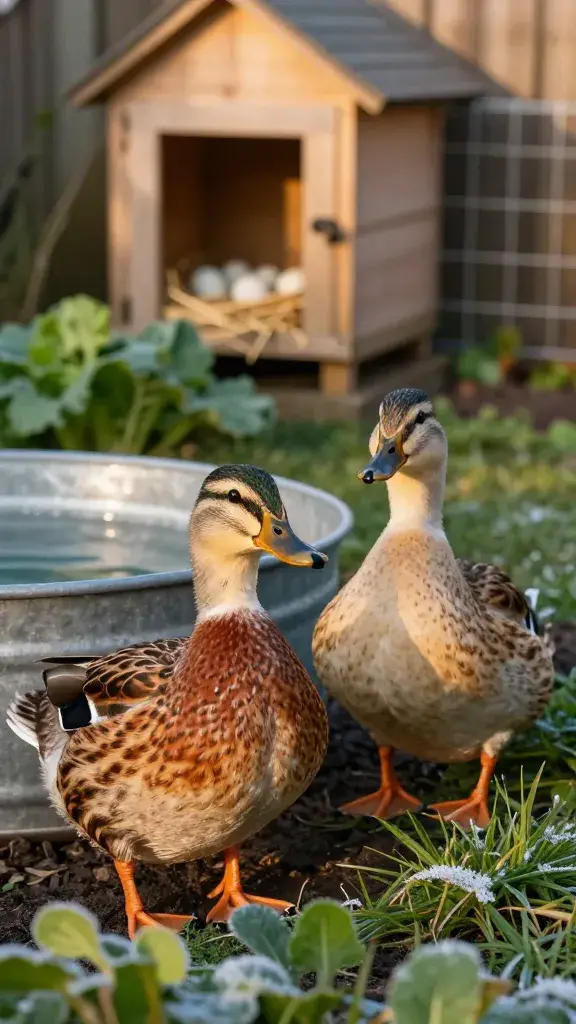
Welsh Harlequins bring beauty and brains in one package. They’re calm, manageable, and lay like champs. Plus, their feather patterns make your Instagram pop—if you’re into that.
Why They’re Awesome
- Eggs: 200–280 large white or light-tinted eggs per year
- Temperament: Gentle, people-friendly, easy to herd
- Looks: Striking harlequin patterning that changes as they mature
They handle heat and cold well with basic shelter. They don’t bulldoze gardens like heavier breeds if you rotate access. IMO, they’re the “best all-around” for most beginners.
Care Tips
- Provide a modest pool and drier spaces—balance splash time and clean feet.
- Use hardware cloth around the run; they’re relaxed but predators aren’t.
- Keep feed fresh—good layers need consistent nutrition.
Perfect for anyone who wants friendly ducks that combine beauty with high production.
4. Indian Runners: The Upright Comedians
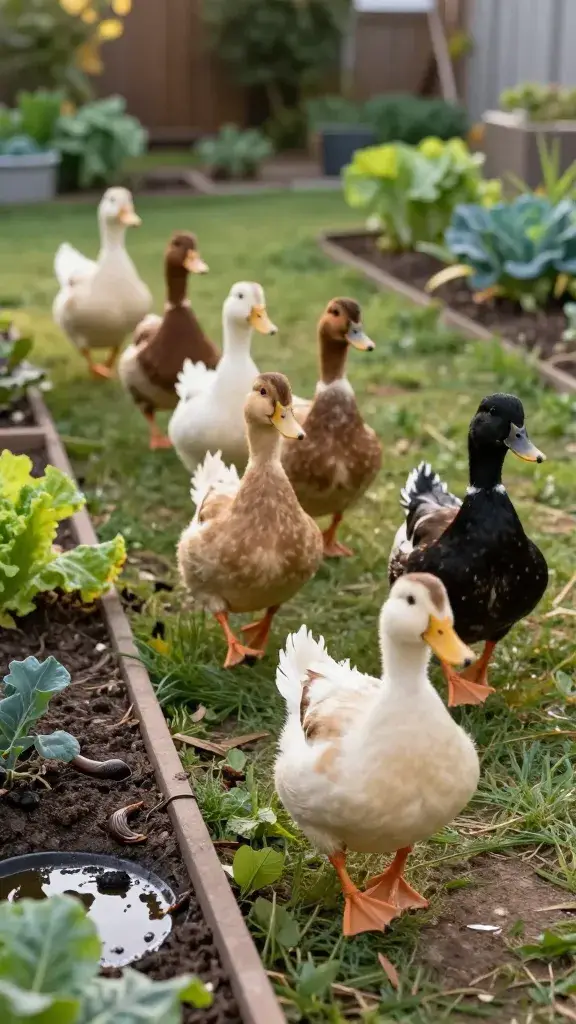
Runners stand like bowling pins and sprint like tiny dinosaurs. They bring non-stop entertainment and serious bug control. If you want laughs with your eggs, meet your new besties.
Why They’re Awesome
- Eggs: 180–250 medium white, blue, or greenish eggs per year
- Temperament: Energetic, goofy, and busy—less cuddly, more sitcom
- Foraging: Elite slug, snail, and mosquito patrol
They don’t fly, but they do hustle. They like a predictable routine and gentle handling. Keep the chaos fun with clear paths and simple gates.
Care Tips
- Build a long, narrow run—they pace and patrol like pros.
- Offer multiple small water stations to prevent mud pits.
- Secure night housing—active birds draw predator attention.
Great for pest control and entertainment, especially in gardens with slug problems.
5. Cayugas: The Quiet, Shimmering Beauties
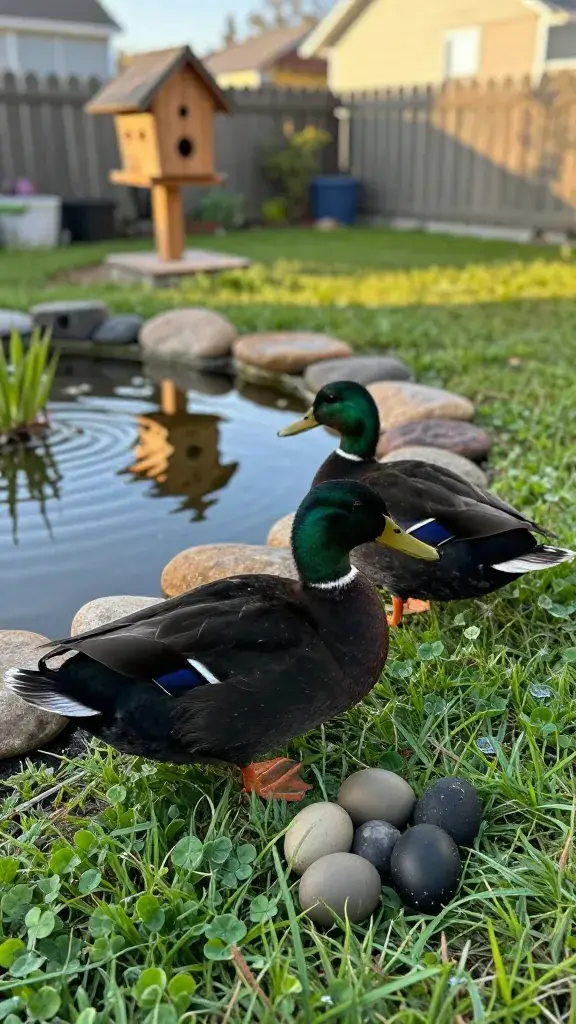
Cayugas rock iridescent black-green feathers that shine in the sun. They stay calmer and quieter than many breeds, which your neighbors will appreciate. They lay cool charcoal-gray to black eggs early in the season—yes, those are real.
Why They’re Awesome
- Eggs: 130–180 per year, with seasonal dark shells
- Temperament: Docile, steady, and easygoing
- Hardiness: Great in cooler climates
Cayugas don’t demand fancy setups and take new keepers in stride. They forage well and won’t bulldoze your yard. The darker plumage also hides mud better—small wins!
Care Tips
- Provide shade and a rinse area to keep feathers glossy.
- Use deep bedding to manage moisture; they’re water enthusiasts.
- Add oyster shell for strong eggshells, especially early season.
Ideal if you want a calm flock with unique eggs and low-noise vibes.
6. Silver Appleyards: The Cheerful Multitaskers
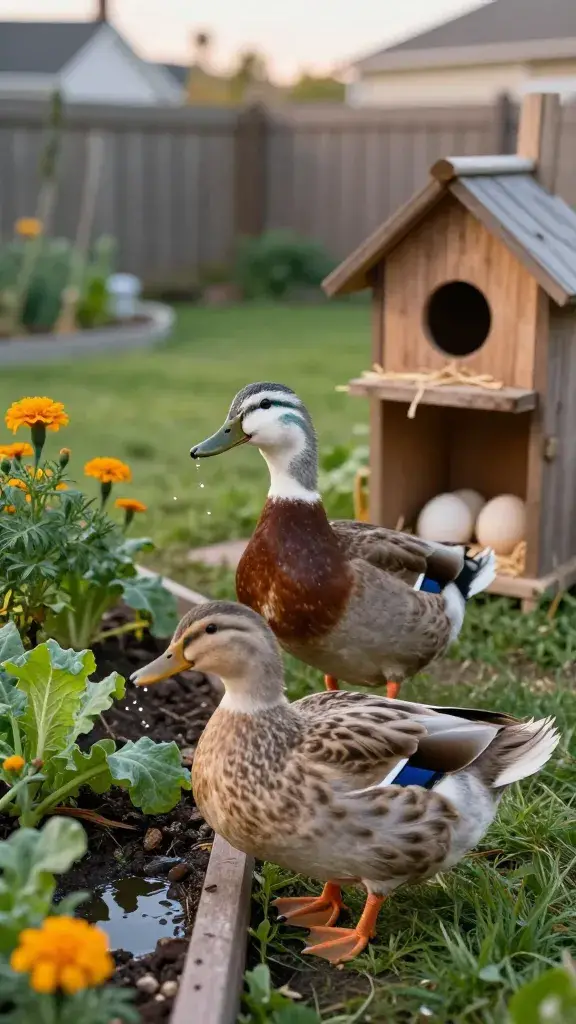
Silver Appleyards bring a perfect trifecta: great layers, solid foragers, and friendly temperaments. They’re medium-large without Pekin-level heft, so they move gracefully around the yard.
Why They’re Awesome
- Eggs: 180–250 large white or tinted eggs per year
- Temperament: Social, curious, and usually easy to herd
- Utility: Balanced for eggs, meat, and foraging
They thrive in family settings and love supervised garden time. They adapt to various climates with basic shelter and dry bedding. They also look gorgeous—bonus points when friends visit.
Care Tips
- Rotate pasture or yard zones—they’ll keep bugs down and grass happy.
- Offer a sturdy, low-entry pool; they splash hard when excited.
- Keep feed and water apart to reduce splash-soup around the feeders.
Choose Appleyards if you want an all-purpose, friendly duck that earns its keep year-round.
Beginner Setup Essentials (Quick Hits)
- Housing: 4–6 square feet per duck indoors, 10–15 square feet in the run.
- Bedding: Pine shavings or straw; spot-clean daily, deep clean weekly.
- Water: Ducks need to submerge nostrils; a kiddie pool 2–3 times a week = happy quacks.
- Feed: Starter crumble (non-medicated) for ducklings, then grower/layer; add niacin (brewer’s yeast) for strong legs.
- Predator Safety: Hardware cloth, locked coop at night, and covered runs if hawks visit.
Choosing Your First Breed (TL;DR)
- Maximum Eggs: Khaki Campbells or Welsh Harlequins
- Friendliest Vibe: Pekins and Welsh Harlequins
- Best Pest Patrol: Indian Runners
- Quiet + Unique Eggs: Cayugas
- Best All-Rounder: Silver Appleyards
Ready to pick your flock? Start with two to four ducks, dial in your water setup, and you’ll learn fast. Ducks reward even small efforts with eggs, laughs, and garden superpowers—seriously, they’re that fun.
Grab a kiddie pool, prep some cozy bedding, and choose one of these beginner-friendly breeds. Your backyard’s about to get a lot more charming—and a little splashy. Trust me, you’ll wonder why you didn’t start sooner.
Share this content: