5 Best Chickens for Kids
Want backyard chickens your kids can actually cuddle without drama? You need breeds that act more like tiny feathered dogs than flighty farm animals. This guide highlights the friendliest chickens for families and gives you simple, real-world tips to keep everyone safe and happy. Ready to meet the fluffballs your kids will brag about at school?
1. Buff Orpingtons: The Golden Retrievers Of The Chicken World
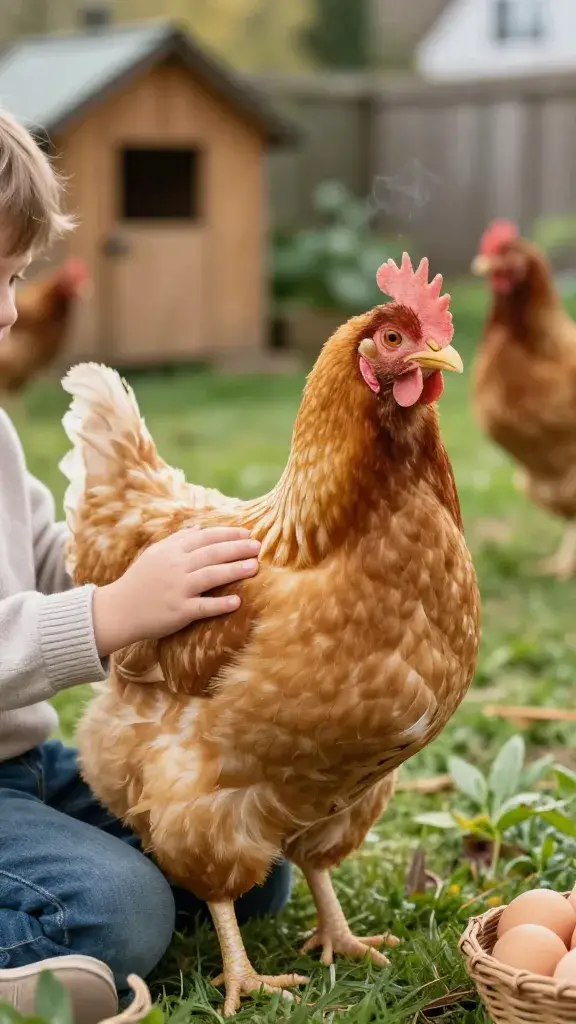
Buff Orpingtons look like walking sunshine and act like it too. They love human attention, tolerate constant handling, and rarely freak out when a kid approaches with grabby hands. If you want lap chickens that chill while your child reads to them, start here.
Why They’re Awesome
- Mellow temperament: Calm, gentle, and notoriously patient with kids.
- Cold-hardy fluff: That thick feathering keeps them comfy in cooler climates.
- Solid egg layers: Expect 3–5 light-brown eggs per week.
They grow large, which helps them feel sturdy in little arms and less skittish overall.
Tips For Success
- Start early: Hand-feed treats like mealworms from week two to build trust.
- Lap time training: Sit at ground level and let them come to you. No chasing.
- Shade and airflow: Those feathers trap heat. Keep summers breezy and offer frozen treats.
Choose Buff Orpingtons if you want cuddly chickens that double as steady egg producers and fluffy therapy birds. Seriously, they’re the total package.
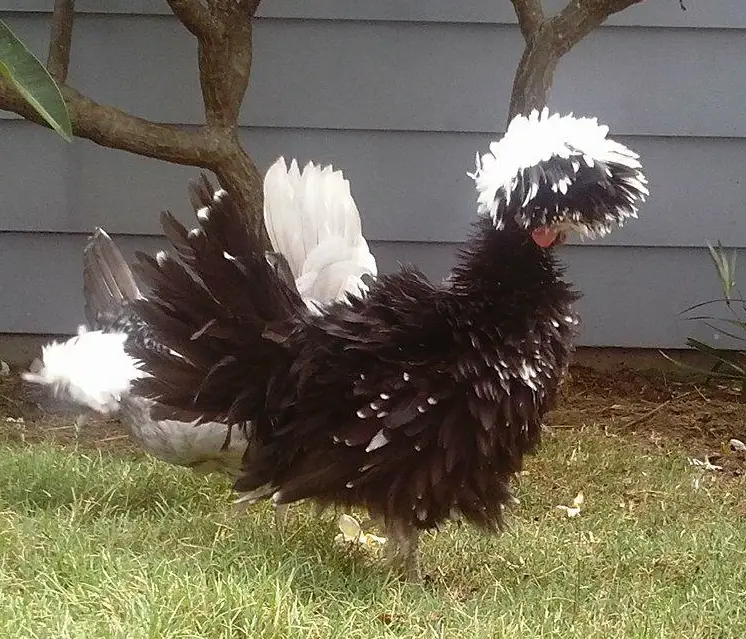
2. Silkies: Fluffy Teddy Bears With Feet
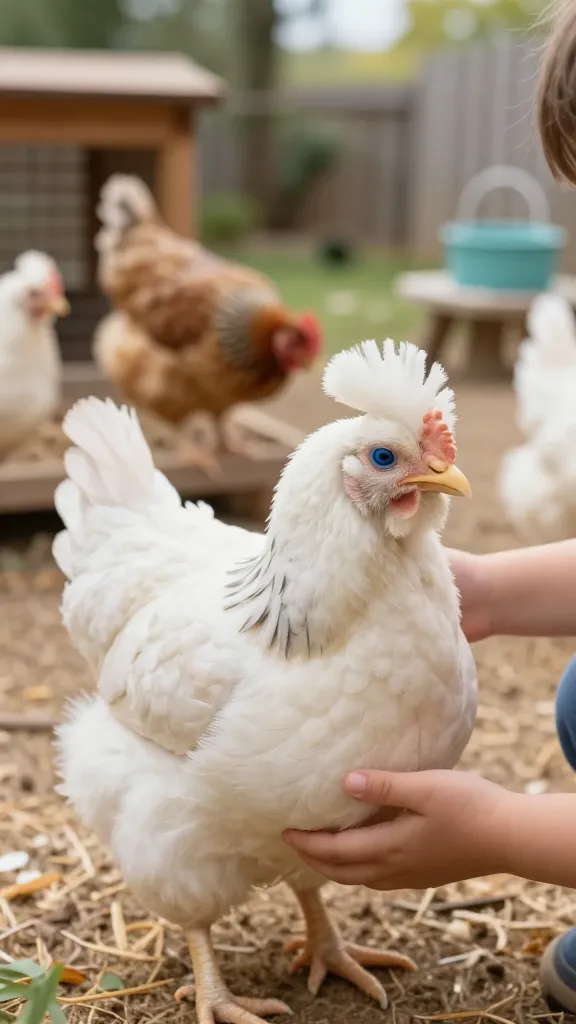
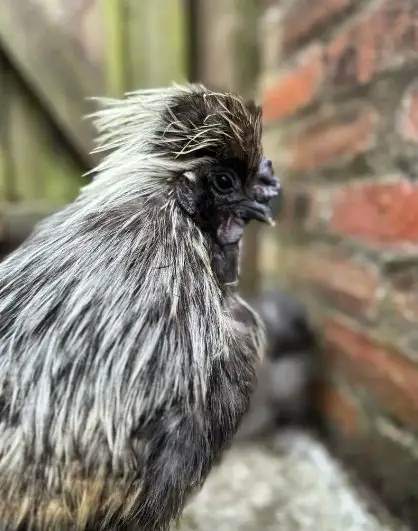
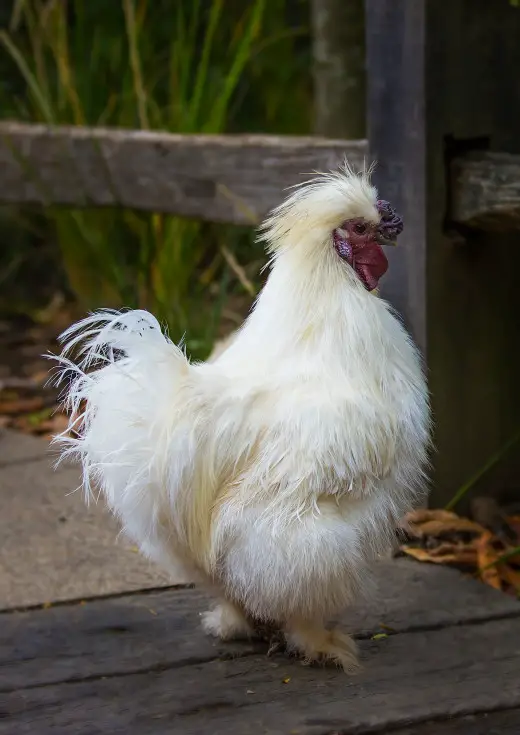
Silkies are the mascots of kid-friendly coops. Their soft “fur-like” feathers, pom-pom crests, and sweet nature make them the most huggable birds on earth. They don’t fly much, which makes catching and handling easier for young kids.
Why They’re Awesome
- Ultra-docile: Often the calmest breed around people.
- Small size: Perfect for little hands and backyard setups.
- Adorable factor: Blue earlobes, five toes, and a quirky waddle. Instant kid magnet.
They also go broody often, which can be a fun lesson in chicken parenting if you ever try hatching eggs.
Tips For Success
- Weather protection: Their fluffy feathers aren’t waterproof. Keep coops dry and draft-free.
- Visibility matters: Trim crest feathers carefully so they can see your kids coming.
- Predator-proofing: Ground-loving birds need extra-secure runs and covered pens.
Pick Silkies if your goal is maximum cuteness and gentle personalities. FYI, they’re not champion egg layers, but as kid companions, they’re unbeatable.
3. Australorps: Calm, Clever, And Consistent Egg Machines
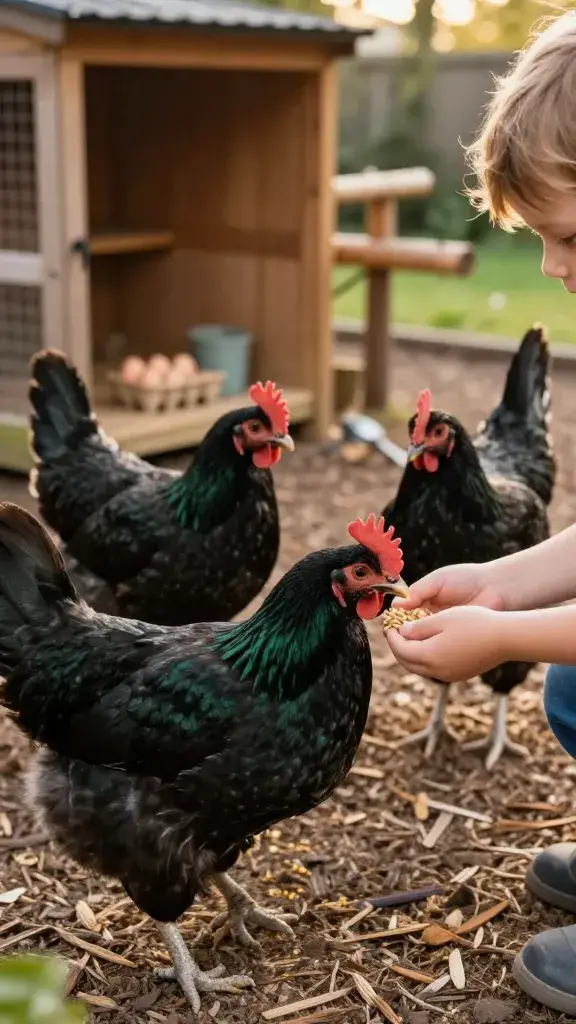
Australorps combine a chill personality with record-setting egg production. They’re glossy black, elegant, and surprisingly affectionate once they know you. Kids who like routines will love that these birds show up for treats on schedule like clockwork.
Why They’re Awesome
- Steady layers: 4–6 brown eggs per week in peak season.
- Easygoing: Not jumpy, easy to train, and friendly without being needy.
- Hardy birds: Adapt well to many climates and bounce back from coop changes.
They’re a great fit for families who want the friendliness of Orpingtons with a touch more productivity and polish.
Tips For Success
- Set simple routines: Same treat time daily to build trust fast.
- Teach hand-targeting: Use a small lid or your finger as a “target” so kids can guide them gently.
- Space to roam: Provide a moderate run and enrichment so they don’t get bored.
Choose Australorps if you want calm birds that deliver breakfast and behave like tiny professors who enjoy being right.
4. Cochins And Brahmas: Big, Fluffy, And Ridiculously Chill
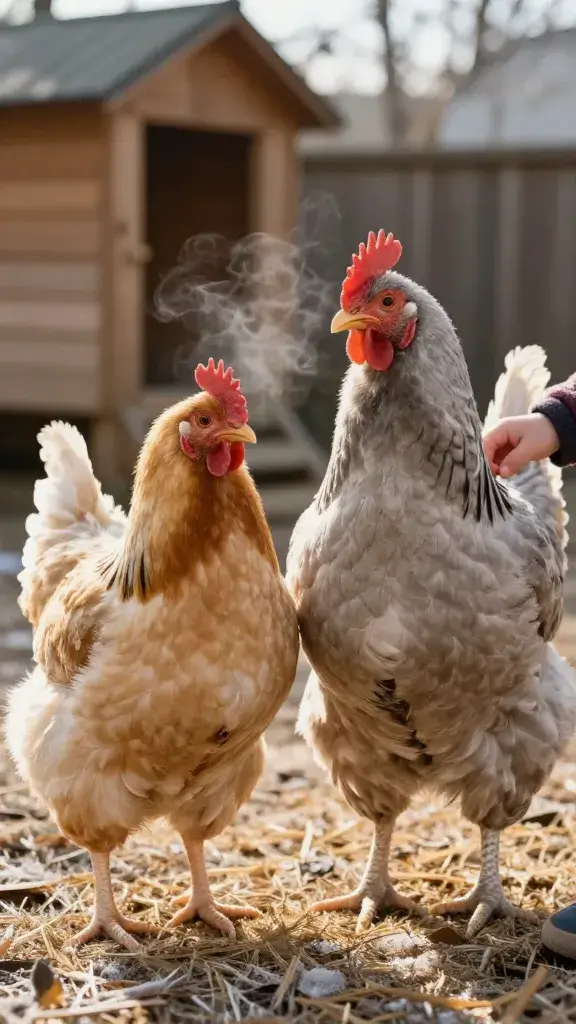
These gentle giants look intimidating but act like couch potatoes with feathers. Cochins and Brahmas both have feathered legs, soft temperaments, and a tolerance for endless petting. They move slower, which helps nervous kids feel confident.
Why They’re Awesome
- Kid-proof vibes: Their size and calm energy make them less flighty.
- Winter winners: Handle cold like champs, thanks to all that fluff.
- Coop drama low: Often low in the pecking order and rarely bully others.
Brahmas can be huge, which is cool for photos but means you’ll need solid coop roosts and roomy nest boxes.
Tips For Success
- Build sturdier perches: Aim for wider roosts to support heavy bodies.
- Mind those foot feathers: Check for mud balls and ice clumps in wet or snowy weather.
- Short hop roosts: Keep roosts lower to prevent leg injuries.
Go with Cochins or Brahmas if you want extra-gentle birds that look like mythical creatures and behave like zen masters.
5. Speckled Sussex: Social Butterflies With Personality For Days
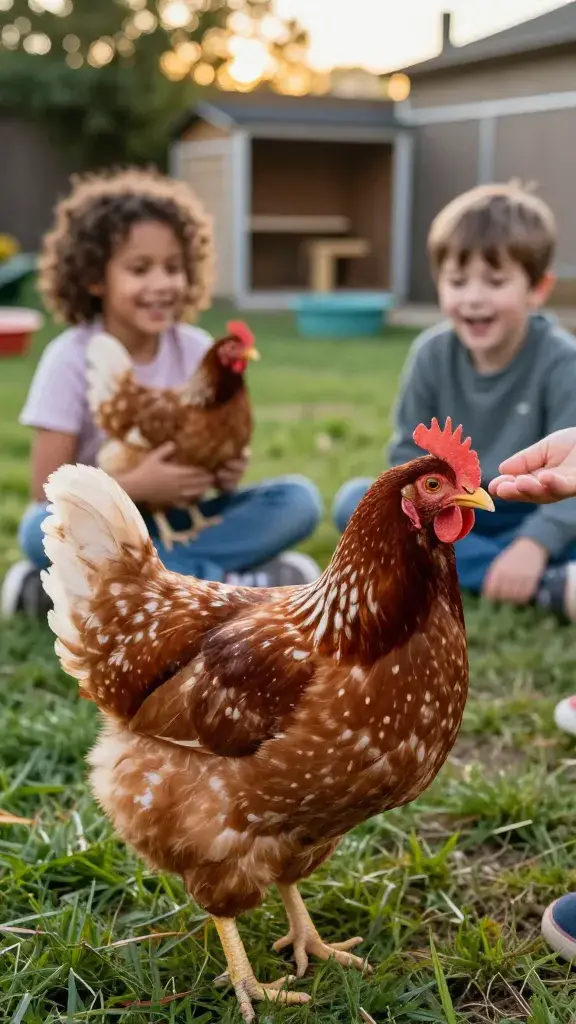
Speckled Sussex birds are chatty, curious, and human-focused. They’ll follow kids around the yard like tiny supervisors and hop into laps if you sit long enough. Their speckled feathers also make them easy to spot and fun to photograph.
Why They’re Awesome
- People-oriented: Act more like companions than livestock.
- Great layers: 4–5 cream-to-brown eggs per week.
- Adaptable: Handle confinement or free-ranging without drama.
They’re playful and inquisitive, which keeps kids entertained and engaged in daily care.
Tips For Success
- Enrichment, please: Provide foraging toys, leafy greens, and scatter feeds to channel curiosity.
- Teach gentle handling: Scoop from underneath, support feet, and keep sessions short at first.
- Set a snack call: Use the same phrase or whistle so kids can “call” the flock.
Choose Speckled Sussex if your family loves interactive pets with big personalities and consistent eggs. IMO, they’re the most “extrovert” of the bunch.
Bonus Tips For Kid-Friendly Chicken Keeping
Want smooth, drama-free chicken time? These quick tips keep both birds and kiddos happy.
- Handle early and often: Start gentle handling at 1–2 weeks old, 5–10 minutes a day.
- Use the “sit low” rule: Kids should sit on the ground while holding birds to prevent drops.
- Teach hand placement: One hand under the chest, one supporting the feet—always.
- Snack diplomacy: Offer treats in open palms to avoid finger pecks. Peas, corn, or mealworms work great.
- Quiet voices, slow moves: Sudden noise triggers panic. Move like you’re sneaking snacks at midnight.
- Wash hands, every time: Chickens can carry germs. Soap and water after handling, no exceptions.
- Respect “nope” signals: Flapping, squawking, or leaning away means break time.
- Supervise always: Even with mellow breeds, an adult should oversee handling sessions.
Coop Setup For Families
A good coop makes kid care easy and safe. Build for convenience and cleanliness so chores take minutes, not hours.
- Low-access doors: Add a child-height side door for easy egg collecting.
- Walk-in runs: Standing room means safer handling and faster cleanups.
- Stable roosts and ramps: Wide, low roosts with gentle ramps help larger breeds.
- Secure latches: Use predator-proof locks kids can manage with supervision.
- Clear zones: Keep feed in sealed bins and set a “kid stool” for safe reaching.
Health And Safety Basics
Healthy birds = happy kids. Prevent issues before they start.
- Regular checks: Look at eyes, nostrils, feet, and droppings weekly.
- Dust baths: Provide a bin with sand, ash, and soil to keep mites away.
- Summer cooling: Shade, electrolytes in heat waves, and frozen fruit treats.
- Winter warmth: Draft-free ventilation beats heat lamps. Deep bedding for insulation.
- Foot care for feathered legs: Inspect after rain or snow, trim mud balls gently.
Choosing The Right Mix
Want a friendly, photogenic flock that lays well? Mix personalities and egg colors for fun variety.
- Starter trio: 1 Buff Orpington, 1 Australorp, 1 Speckled Sussex.
- Maximum cuddles: 2 Silkies + 1 Cochin.
- Egg-cellent layers: 2 Australorps + 1 Orpington.
Avoid adding known flighty breeds if your main goal is kid handling. Keep the vibe chill from the start.
Ready to build the friendliest backyard flock on the block? Pick one or two of these breeds, set up a kid-proof coop, and start the treat-based bonding. Trust me, a calm chicken on a kid’s lap might be your new favorite weekend moment.
Share this content: