5 Best Chickens for Florida Heat and Humidity That Thrive
Florida summers don’t play nice. If you want eggs when the air feels like soup, you need breeds that laugh at heat, ignore humidity, and keep laying. These five chickens were basically built for the tropics—sleek bodies, big combs, and zero drama in a heatwave. Let’s pick birds that won’t melt when the forecast says “feels like 105.”
1. Leghorn Legends: The Fast, Feisty Egg Machines
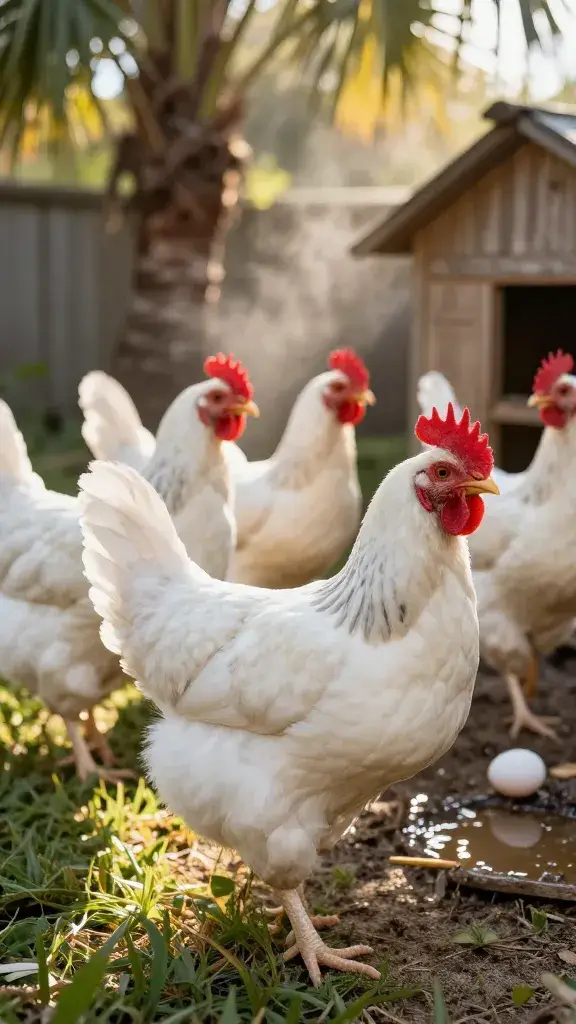
Leghorns are the marathon runners of the chicken world—lean, fast, and wildly productive even when the humidity smacks you in the face. Their slim bodies and big combs help dump heat fast, which is exactly what you want in Florida. If you want a bird that lays like it’s her full-time job, meet your match.
Why They Shine In Florida
- Heat-efficient build: Lightweight frames and large single combs act like built-in radiators.
- Prolific layers: You’ll see 250–300+ white eggs a year, even in summer.
- Active foragers: They hustle for bugs, which helps with boredom in long, hot afternoons.
Tips
- Shade first: Give them open-air coops with tons of ventilation and no stuffy corners.
- Comb care: Big combs lose heat well, but keep an eye on pecking and sunburn. Provide dappled shade.
- Security: They’re flighty. Use higher fencing or clip one wing to keep them in your yard and out of the neighbor’s pool party.
Choose Leghorns if you crave maximum eggs, minimal fuss, and birds that treat Florida heat like a warm-up lap.
2. Andalusian Aces: Sleek, Stylish, And Hot-Weather Tough
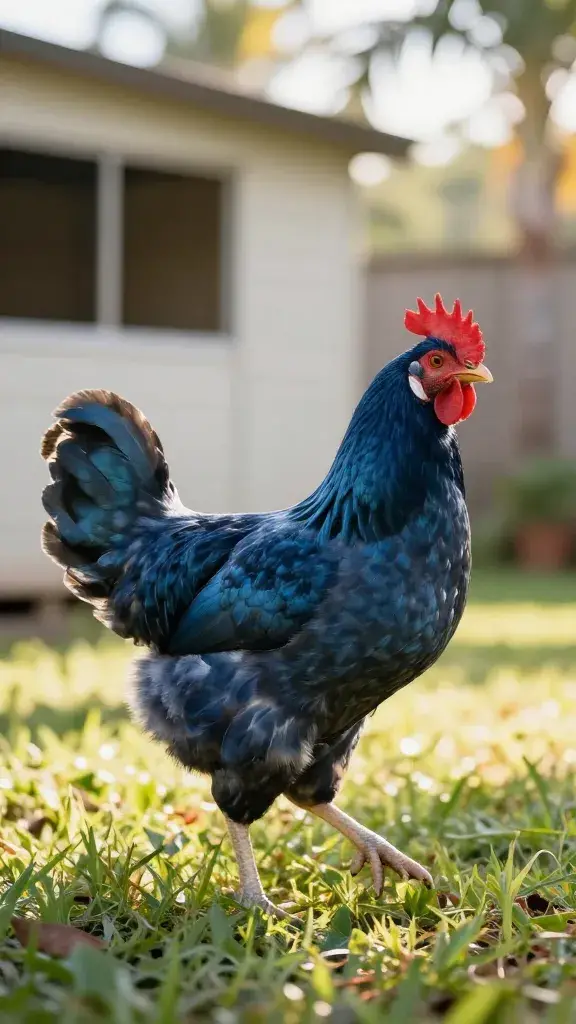
Andalusians are Mediterranean stunners—think slate-blue feathers and serious heat savvy. They handle humidity like champs thanks to tight feathering and athletic builds. Bonus: they bring personality without being divas.
Key Points
- Great heat dissipation: Slim frame, big comb, tight feathers = better airflow.
- Decent layers: Expect 180–220 white eggs a year.
- Predator awareness: Alert, quick, and not easily caught—handy in open yards.
Care Tips
- Space to roam: They do best when they can move. Coop runs should be breezy and roomy.
- Noise factor: They can be chatty. If you have close neighbors, FYI.
- Breeding note: Blues throw a mix of blue/black/splash chicks—fun genetics if you hatch your own.
Pick Andalusians if you want hardy, handsome foragers that keep their cool and bring a little flair to the flock.
3. Minorca Marvels: Big Combs, Big Eggs, Big Heat Tolerance
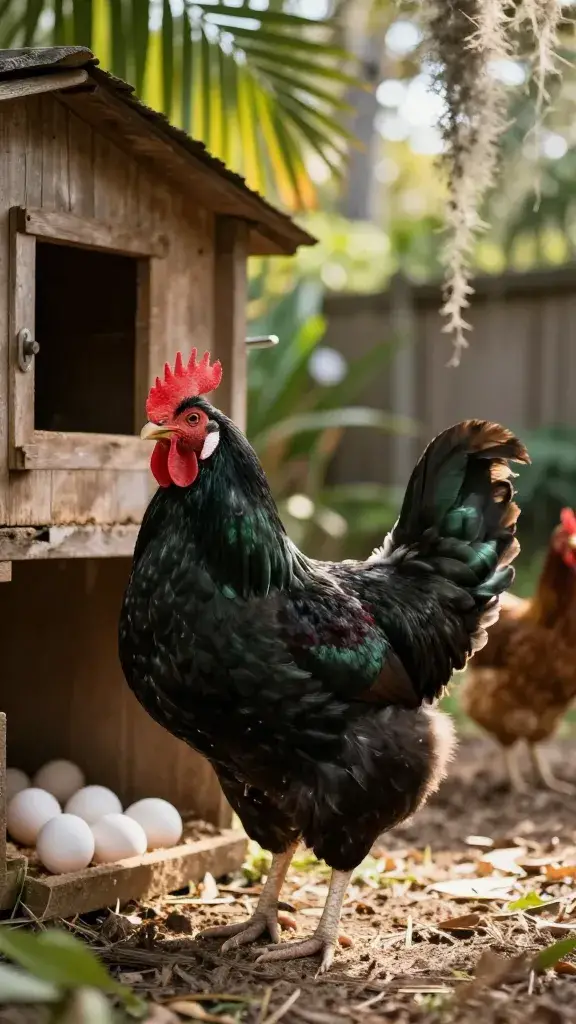
Minorca chickens look like Leghorns’ elegant cousins—sleek bodies, striking white earlobes, and an oversized comb that acts like a radiator. They’re built for swelter and keep laying large white eggs when lesser birds tap out. IMO, they’re an overlooked Florida superstar.
Standout Benefits
- Hot-climate naturals: Originating from the Mediterranean, they handle Florida humidity without fuss.
- Large eggs: Fewer than Leghorns but bigger—great for breakfast bragging rights.
- Low broodiness: They won’t go broody often, which keeps production steady in summer.
Setup Suggestions
- Airy roosts: Open rafters and wire sides under a solid roof help them dump heat at night.
- Hydration stations: Put waterers in shade on opposite ends of the run to prevent crowding.
- Sun strategy: Offer filtered shade—palms, shade cloth, or trellised vines—to prevent comb sunburn and heat stress.
Choose Minorcas if you want eye-catching birds that thrive in sticky heat and deliver big, reliable eggs.
4. Naked Neck (Turken) Trailblazers: The Heat-Hardy Oddballs You’ll Learn To Love
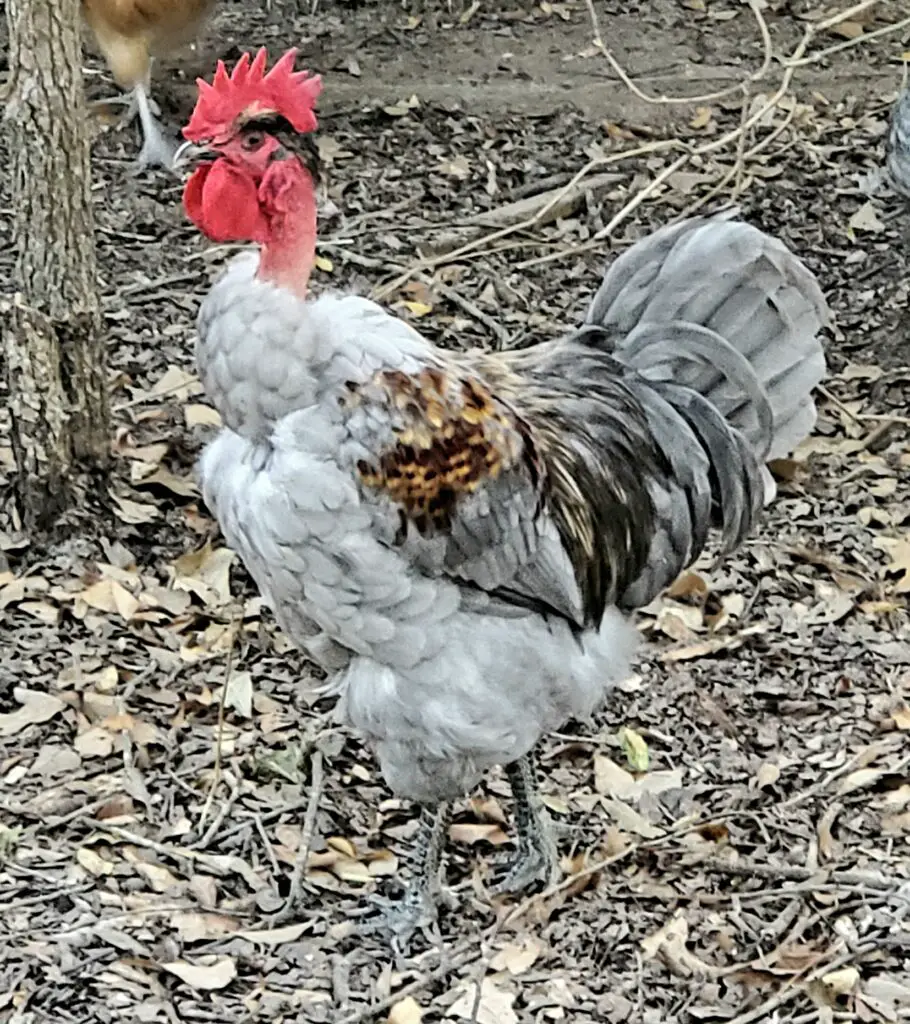
Yes, they look like tiny turkeys. No, that’s not a dealbreaker. Naked Necks have 30–40% fewer feathers, which makes them absolute rockstars in Florida’s soup-bowl summers.
Why They Rock
- Superior heat release: Less feathering means better airflow and faster cooling.
- Dual-purpose win: Good egg layers and decent meat birds if you want flexibility.
- Calm temperament: Friendly, easygoing, and surprisingly hardy across seasons.
Care Hacks
- Sun mindfulness: Bare necks and crops can sunburn—offer shade and consider light-colored birds to reflect heat.
- Bug patrol: Fewer feathers make them easier to spot and treat for mites in humid months.
- Nesting comfort: Keep nest boxes extra dry. Humidity plus skin contact can get clammy—dry bedding keeps them happy.
Pick Naked Necks if you want birds that barely notice the heat, lay well, and bring conversation-starting looks to your coop. Seriously.
5. Egyptian Fayoumi Firecrackers: Tropical-Hardened, Disease-Savvy Scavengers
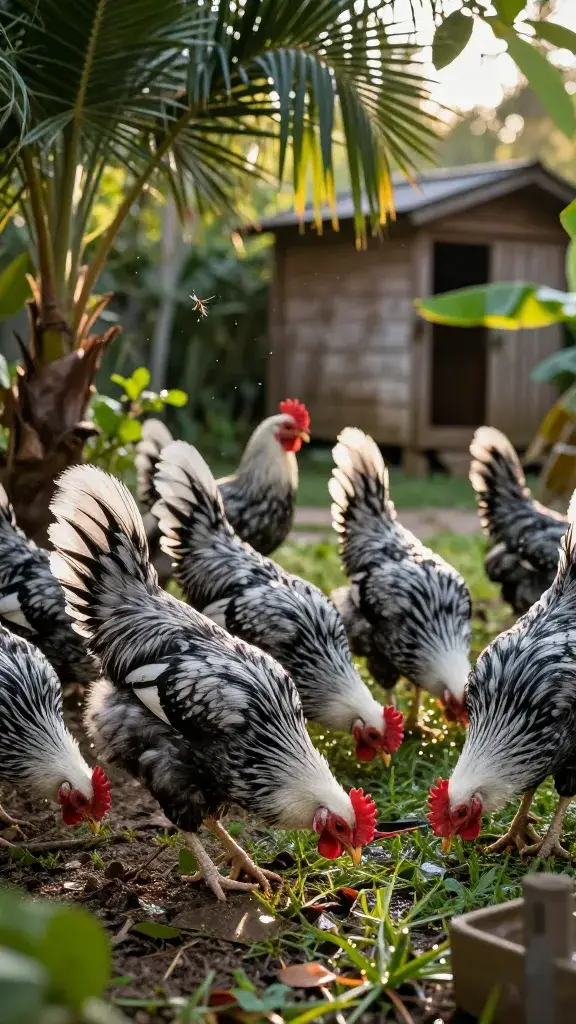
Originating from the Nile Delta, Fayoumis come preloaded with hot-climate DNA. They’re small, active, and weirdly sturdy against the kind of bacterial and viral funk that can hit flocks in muggy weather. They won’t flood you with jumbo eggs, but they earn their keep in resilience and foraging power.
Highlights
- Heat and humidity pros: Sleek bodies and constant motion help them thermoregulate.
- Disease resistance: Not invincible, but notably hardy—great for damp, buggy environments.
- Early maturity: They start laying young, which keeps eggs coming sooner.
Management Tips
- Secure fencing: They’re tiny rockets. Use covered runs or high fencing to stop fly-overs.
- Protein boost: All that activity needs fuel—offer high-quality feed and let them forage for bugs.
- Egg expectations: Medium to small white eggs; reliable, just not jumbo. Balance with a heavier layer breed if size matters.
Go with Fayoumis if you want scrappy survivors that handle Florida’s wet heat and keep your bug population on notice.
Quick Heat-Smart Setup For Any Florida Flock
- Ventilation over insulation: Think open-air coop with hardware cloth sides and a solid, rainproof roof.
- Shade layering: Trees, shade cloth, and tall shrubs create cooler microclimates.
- Hydration everywhere: Multiple waterers in shade, refreshed daily; add electrolytes during heat spikes.
- Dust baths: A mix of sand, soil, and wood ash helps with mites and cooling.
- Timing: Feed most of their ration at dawn and dusk when it’s cooler.
- Frozen treats: Ice blocks with berries or peas make you a coop hero—trust me.
When To Mix And Match Breeds
- Egg volume first? Lean Leghorns + Minorcas.
- Heat tolerance + calm vibes? Naked Necks with Andalusians.
- Pest control + resilience? Add Fayoumis as your bug squad.
Florida-Specific Gotchas To Watch
- Storm prep: Hurricanes happen. Build coops with strong anchors, windbreaks, and raised floors.
- Predators: Raccoons, hawks, and snakes love a sloppy setup. Use hardware cloth, not chicken wire.
- Moisture management: High humidity demands dry bedding, covered runs, and frequent coop cleanouts to prevent ammonia and mold.
Bottom line? Florida heat doesn’t have to wreck your egg basket. Choose breeds that handle steam-bath summers, set up a breezy coop, and keep water flowing. Your flock will thrive—and your breakfast will taste like victory.
Share this content: