4 Ways to Improve Your Chicken Coop Fast and Forever
Your chickens deserve a coop that keeps them safe, comfy, and—let’s be honest—way less smelly. You don’t need a full rebuild to make that happen. A few smart upgrades can boost egg production, reduce chores, and keep everyone (including you) happier. Ready to turn your coop from “eh” to “excellent”?
Start With Clean Air: Ventilation That Actually Works
Good airflow makes or breaks a coop. Chickens breathe out moisture, and their poop releases ammonia—both build up fast in a closed space. You want a steady exchange of air without turning the coop into a wind tunnel.
Where to Add Vents
- High up on opposite walls: Warm, moist air rises. Put vents near the roofline to let it escape.
- Under the eaves: Continuous soffit vents keep air moving even on still days.
- Above roost height: Keep drafts off their backs at night.
Vent Materials That Hold Up
- Hardware cloth (1/2-inch): Staple it over vent openings. It keeps out raccoons, rats, and curious beaks.
- Adjustable covers: Use sliding panels or hinged flaps so you can tweak airflow with the seasons.
- Skip window screen: It tears easily and doesn’t stop predators—like, at all.
Rule of thumb: Aim for about 1 square foot of ventilation per 10 square feet of floor space. More in humid climates. Less in severe winters, but never zero—moisture causes frostbite, not just cold temps, FYI.
Make Cleaning Easy: Smart Floors and Litter Systems
If cleaning your coop feels like a CrossFit session, your setup needs love. A good floor and litter system saves time, reduces smell, and cuts down on flies.
Flooring You’ll Actually Like
- Sealed plywood: Cheap, durable, and easy to scrub. Paint or seal it so moisture can’t soak in.
- Rubber stall mats: Heavy, but unbeatable for long-term use. Hose them off and you’re done.
- Remove thresholds: Level door sills so you can rake litter straight out.
Litter Methods That Work
- Deep litter method: Start with 3–4 inches of pine shavings. Add fresh layers regularly until it’s 8–10 inches. Turn it weekly so it composts in place.
- Droppings board: Install one under the roosts and scrape it daily. Massive poop reduction in your main litter—IMO it’s a game-changer.
- Sand: Great for arid climates. Sift like a giant litter box. Not ideal in cold, damp regions.
Pro tip: Keep a dedicated metal scoop, scraper, and a lidded bin right by the coop. If your tools live there, you’ll actually use them.
Upgrade Security: Predator-Proof Like You Mean It
Everything wants your chickens. Foxes, raccoons, hawks, even the neighbor’s overly helpful dog. You need layers of defense—literally.
Hardware Cloth Everywhere
- Wire choice matters: Use 1/2-inch galvanized hardware cloth for windows, vents, and run fencing. Chicken wire only keeps chickens in; it doesn’t keep predators out.
- Attach securely: Use screws and fender washers—not just staples—along all edges.
- Skirting the run: Lay 12–18 inches of hardware cloth flat on the ground around the perimeter and pin it down. It stops diggers like a force field.
Doors and Latches
- Two-step latches: Raccoons can open simple latches. Use carabiners, lockable hasps, or spring-loaded barrel bolts.
- Automatic coop door: Consider a quality unit with a light sensor or timer. It saves your flock from your forgetfulness (we’ve all been there).
- Solid thresholds: Tight-fitting doors stop snakes and rodents from sneaking in.
Nighttime routine: Do a quick perimeter check, confirm the auto door closed, and secure feed. Feed outside? Bring it in—no free buffet for critters.
Rethink the Layout: Happy Hens Lay Better
A cramped, awkward space stresses chickens and you. Move a few things, add a perch here, a nest box there, and your coop suddenly flows.
Roosts They’ll Actually Use
- Height and spacing: Set roosts 18–36 inches high, 12 inches apart. Give about 8–10 inches of space per bird.
- Material: Use 2×3 or 2×4 with the wide side up. Flat surfaces keep toes warm in winter.
- Staggered levels: Avoid poop rain by offsetting roosts vertically and laterally. Your laundry will thank you.
Nesting That Makes Sense
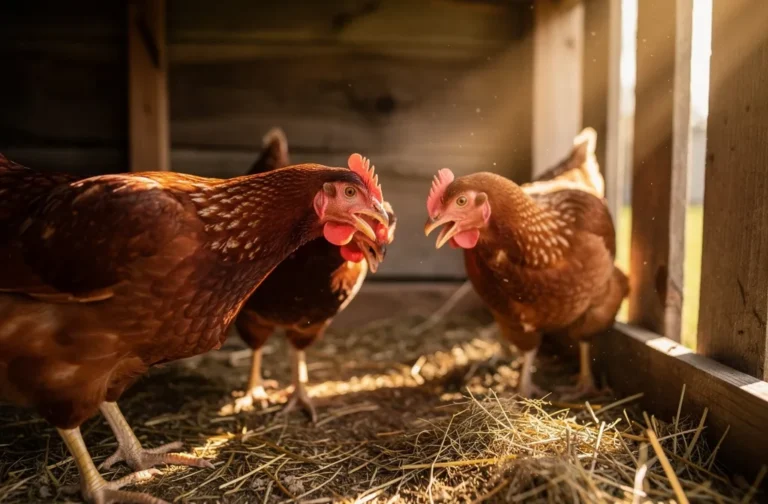
- Box count: One box for every 3–4 hens is plenty. They’ll still all want the same one because chickens love drama.
- Placement: Keep boxes lower than roosts to prevent sleeping in them. Dark, quiet corners work best.
- Liners and curtains: Use removable pads or pine shavings. Add simple fabric curtains to reduce pecking and encourage laying.
Workflow matters: Place feed and water near the door. Put the droppings board where you can scrape it without climbing in like a raccoon yourself.
Light, Feed, and Water: The Daily Essentials
Get these right and your flock stays healthy and productive. Get them wrong and everything else feels harder.
Lighting for Eggs (and Sanity)
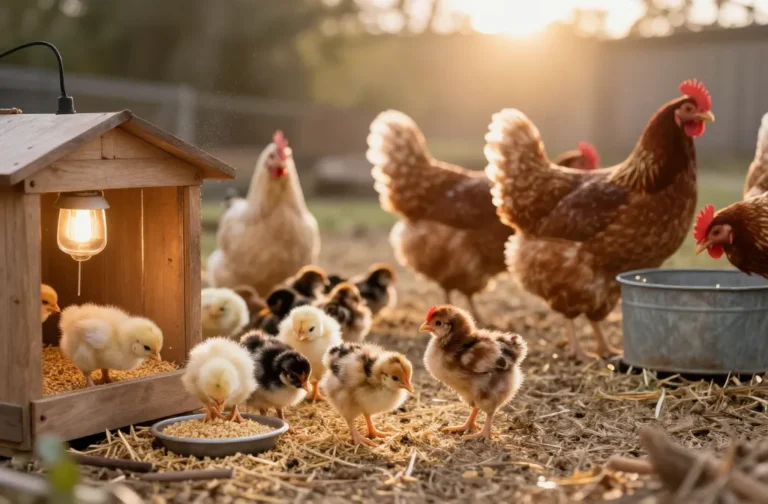
- Supplemental light in winter: Use a timer to add light in the morning, not evening, to avoid lights-off panic. Aim for 14–16 hours total light.
- Bulb choice: Warm LED bulbs conserve energy and don’t overheat. No heat lamps inside the coop—ever.
- Safety: Wire all fixtures securely and encase cords with conduit. Chickens think cords are chew toys.
Feed and Water Without the Mess
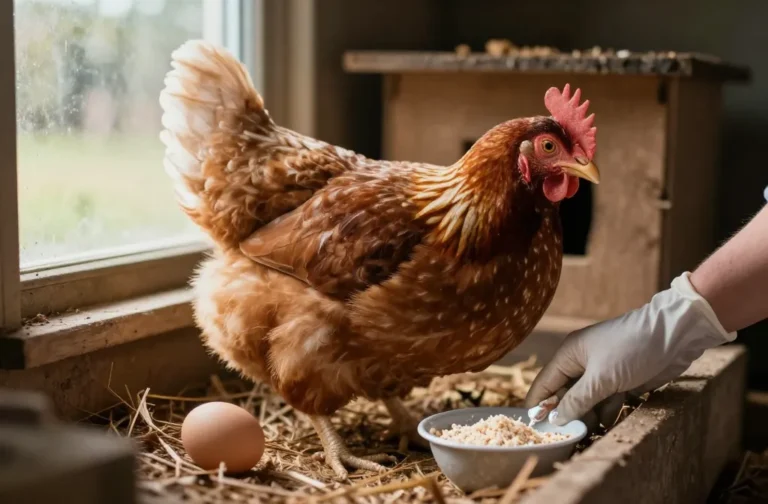
- Hanging or treadle feeders: They reduce waste and block rodents. Adjust height to back level of your smallest bird.
- Nipple waterers: Clean water, less splashing. In freezing temps, use a heated base or a submersible stock heater rated for plastic.
- Keep it outside when possible: Place feed and water in the covered run to cut moisture inside the coop.
IMO, nothing beats a morning check-in: Quick glance at water, feed, and the droppings board tells you more about flock health than any gadget.
Enrichment: Because Bored Chickens Cause Chaos
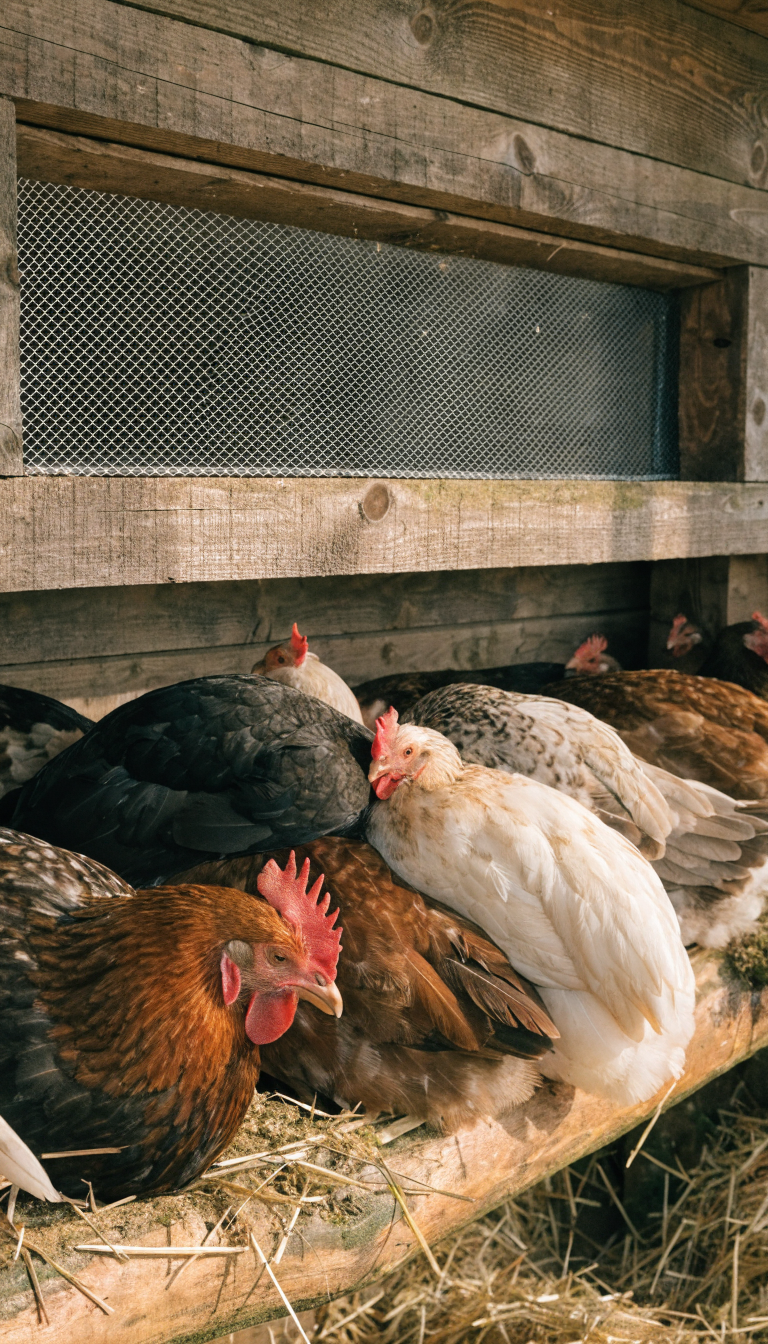
Bored chickens pick fights and pluck feathers. Give them stuff to do and they chill out—and lay better.
Easy Enrichment Ideas
- Perches and platforms: Add stumps, ladders, and a swing if you’re feeling whimsical.
- Dust bath zone: A low box with dry soil, sand, and wood ash keeps mites down and birds happy.
- Forage fun: Toss scratch in a pile of straw so they hunt for it. Hang cabbage or treat balls for pecking without drama.
Winter boredom buster: A flake of straw thrown into the run keeps them busy for hours. Basically chicken Netflix.
Seasonal Tweaks You’ll Thank Yourself For
Your coop shouldn’t feel the same in July and January. Small seasonal changes protect your flock and your nose.
Summer Setup
- Shade cloth: Stretch it over the run to cut temps by a few degrees.
- Extra ventilation: Open all adjustable vents. Add a fan rated for outdoor use if heat waves hit.
- Frozen treats: Ice blocks in waterers or frozen fruit helps birds cope on brutal days.
Winter Setup
- Draft control, not sealing: Close wind-facing vents at roost height but keep high vents open.
- Deep litter boost: Add carbon-rich shavings to keep the floor warm and dry.
- No heaters: Healthy birds handle cold better than heat. Heaters create fire risks and sudden temp swings.
FAQs
How much space does each chicken need?
Give each bird at least 4 square feet in the coop and 8–10 square feet in the run. More space reduces bullying and keeps the litter drier. If you free-range, you can fudge the run a bit, but never cram the coop.
What’s the best bedding for smell control?
I like pine shavings for most climates. They absorb well and break down slowly. Avoid cedar—it smells nice but can irritate chickens’ respiratory systems.
How do I keep rodents out of the coop?
Store feed in metal bins, use treadle feeders, and remove feed at night if rodents persist. Seal gaps bigger than a dime with hardware cloth. And yes, pick up fallen grain—mice throw parties for crumbs.
My coop smells, even with ventilation. Now what?
Check moisture first. Fix leaks, move waterers outside, and switch to a droppings board. Add fresh dry bedding, then stir. If ammonia still stings your nose, you need more ventilation—non-negotiable.
Do I need to insulate the coop?
Insulation helps in extreme climates, but dryness and airflow matter more. If you insulate, cover it completely (plywood over foam) so birds can’t peck it. Focus on draft control at roost height instead of sealing every crack.
Can I use solar power for lights or the auto door?
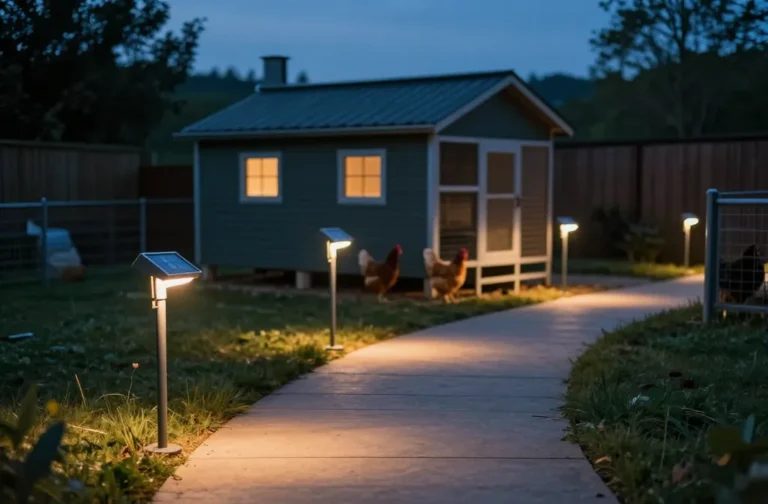
Yes, with a small panel, charge controller, and battery. Keep wiring weatherproof and mount components where chickens can’t redecorate with their beaks. Test for a few days before you trust it fully.
Conclusion
You don’t need a brand-new coop; you need smarter choices. Improve ventilation for healthier birds, set up easy-clean systems to save time, and lock down security so predators lose interest. Tweak the layout, dial in daily essentials, and add a dash of enrichment. Do that, and your flock will thank you—with eggs, less drama, and way fewer smells, IMO.
Share this content: