20 Popular Chicken Breeds for 2026 You’Ll Absolutely Love
Thinking about starting (or upgrading) your backyard flock? These 20 chicken breeds bring big personalities, gorgeous feathers, and eggs you’ll want to show off on Instagram. From ultra-productive layers to fluffy fashion icons, I’ve got the standouts for 2026. Ready to meet the hens that earn their keep and your heart?
1. Buff Orpington: The Golden Sweetheart
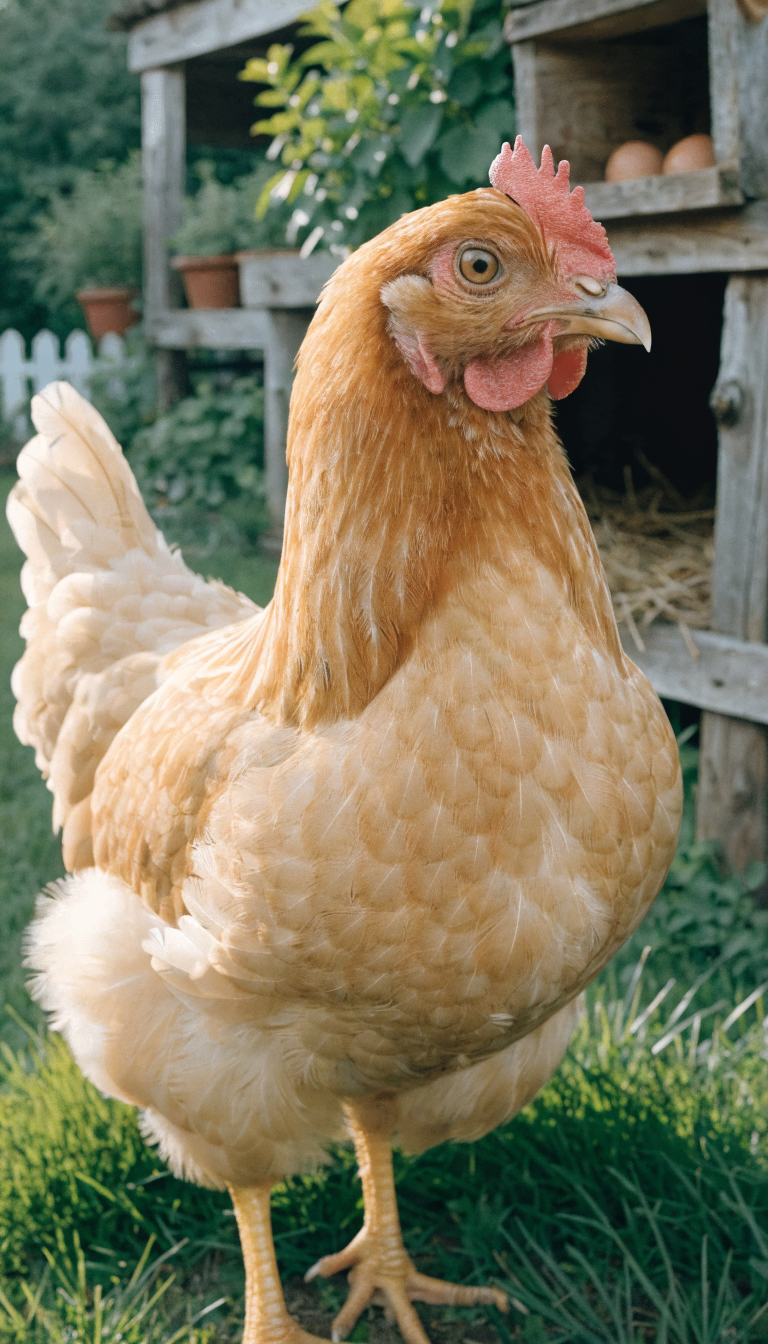
Buff Orpingtons deliver everything beginners crave: calm vibes, hardy constitution, and a steady stream of brown eggs. Their golden fluff makes them living sunshine in your yard.
Why You’ll Love Them
- Reliable layers of 200–280 brown eggs per year
- Cold-tolerant and super friendly with kids
- Great broodiness if you want to hatch chicks
Choose Buff Orpingtons when you want gentle, dependable birds that double as backyard therapy chickens.
2. Plymouth Rock (Barred): The Striped MVP
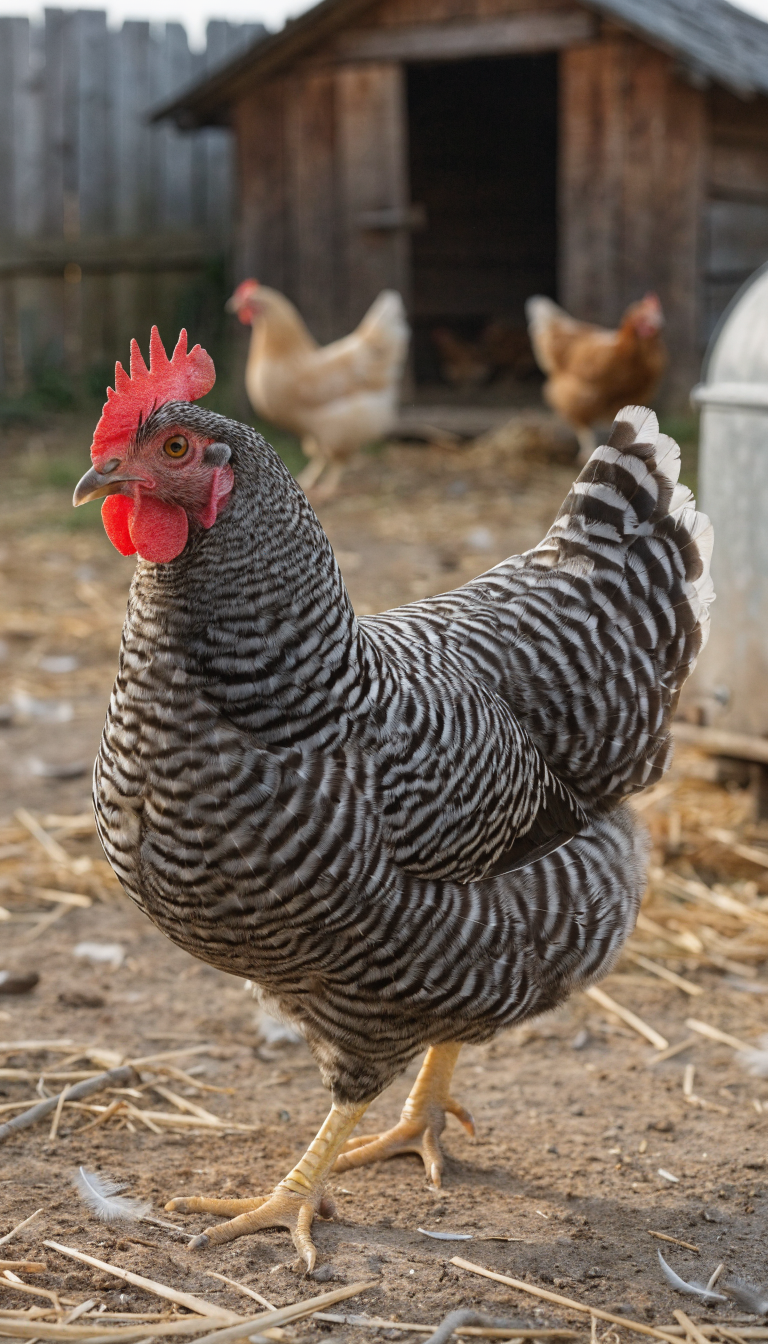
That classic black-and-white barring screams “heritage homestead,” and for good reason. Barred Rocks balance productivity, temperament, and looks like pros.
Key Points
- 200–250 brown eggs annually
- Handles heat and cold with ease
- Curious but chill, great for mixed flocks
Pick these when you want hardy birds with vintage charm and steady egg baskets.
3. Rhode Island Red: The No-Drama Producer
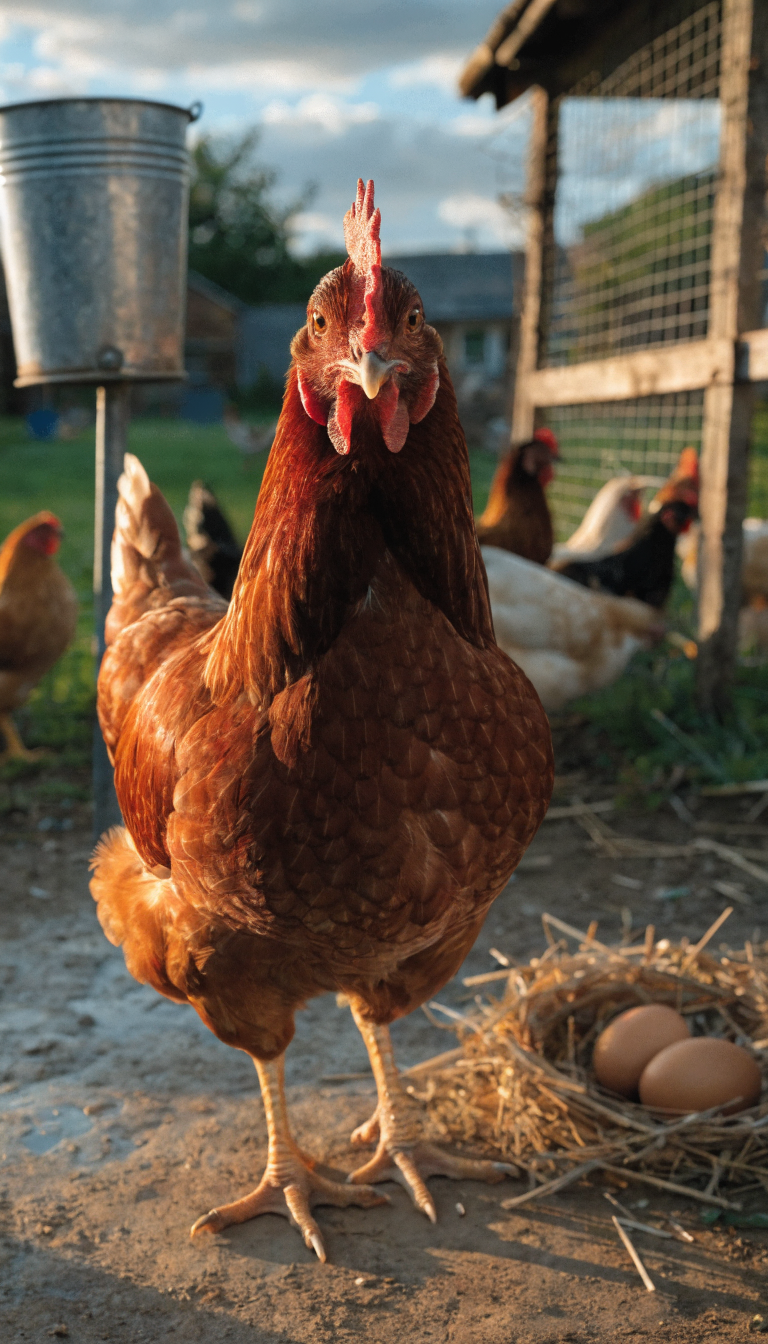
Rhode Island Reds don’t fuss—they just lay. They’re tough, adaptable, and they won’t mind your less-than-perfect coop setup. FYI, they can be a tad bossy—but it’s all part of their charisma.
- 250–300 brown eggs per year
- Excellent feed-to-egg conversion
- Thrives in free-range or confinement
Ideal when egg count matters and you want birds that handle themselves like seasoned pros.
4. Australorp: The Quiet Overachiever
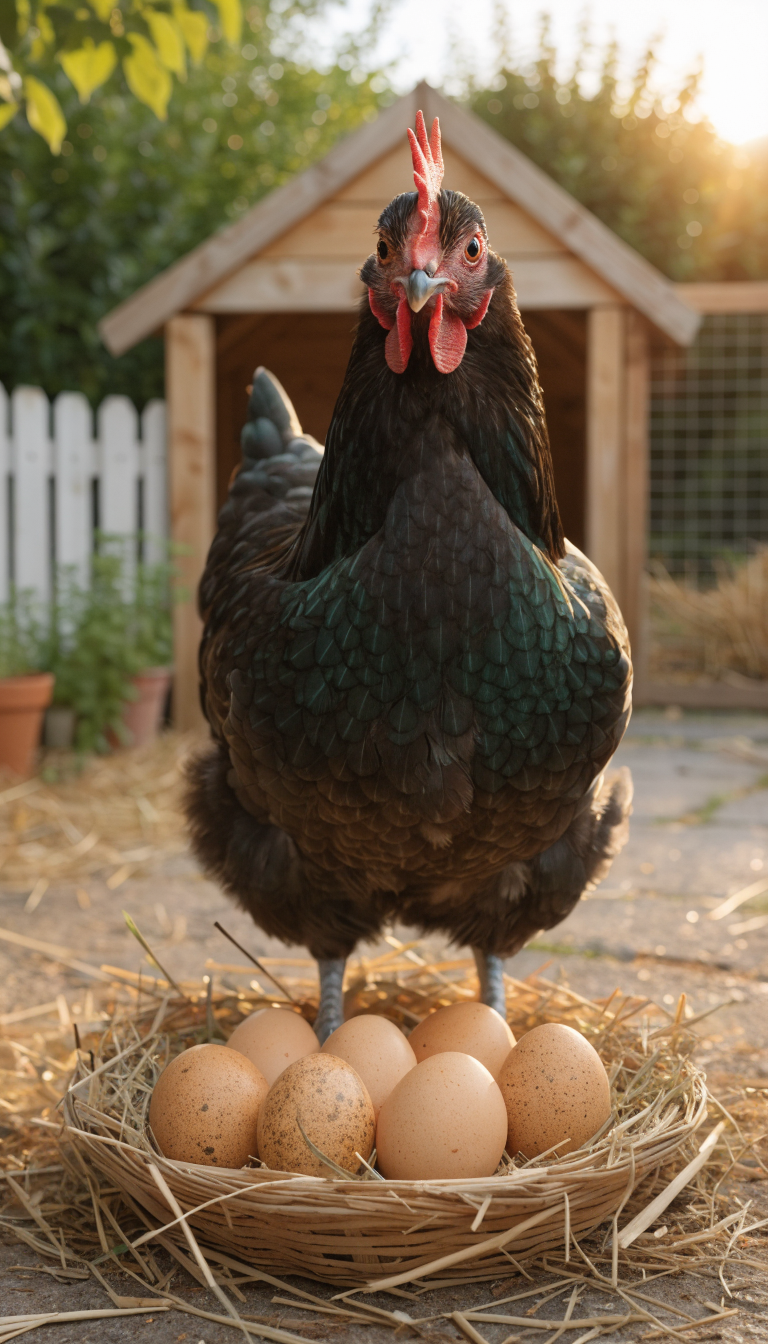
Australorps hold egg-laying records for a reason. They look sleek, act mellow, and deliver more eggs than you’d expect from their low-key personalities.
Highlights
- 250–300+ light-brown eggs yearly
- Glossy black plumage with green sheen
- Docile, great for smaller spaces
Perfect for families and first-timers who want maximum eggs with minimum drama.
5. Ameraucana: The Blue Egg Icon
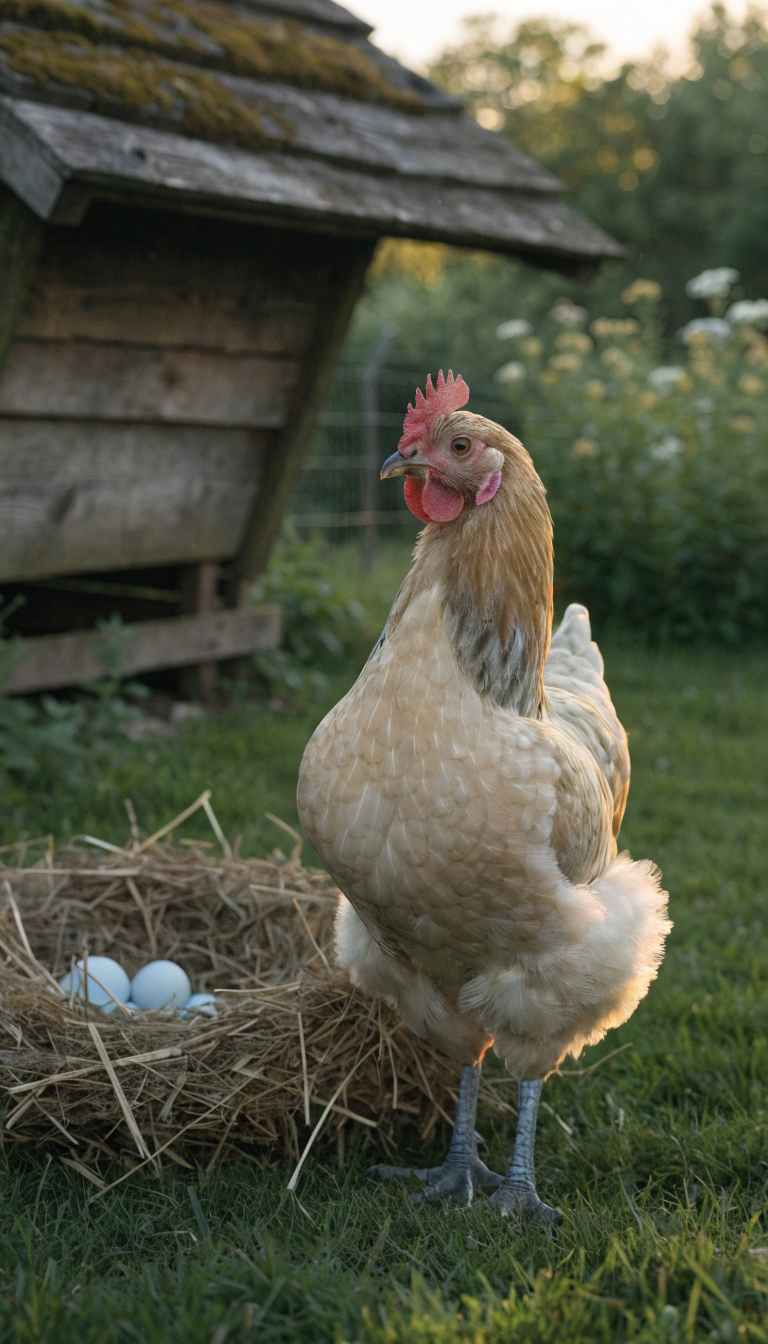
Want egg cartons that make guests gasp? Ameraucanas lay blue eggs and show off cute muffs and beards. They stay alert and keep your flock street-smart.
- 150–200 blue eggs per year
- Active and predator-aware
- Less broody, more about the laying life
Choose these when colorful eggs matter and you love a quirky, stylish bird.
6. Easter Egger: The Rainbow Wildcard
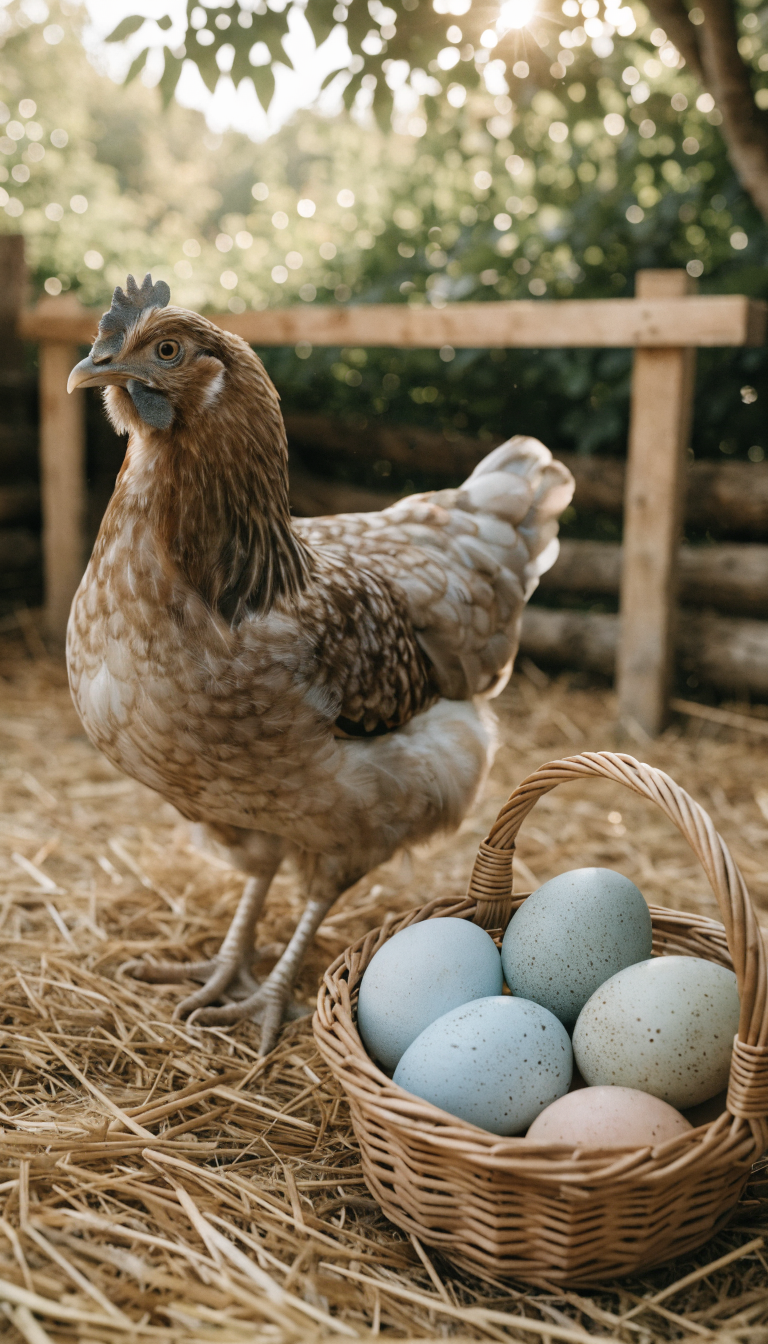
Easter Eggers aren’t a standardized breed, but they’re a fan favorite. Expect a surprise mix of feather colors and egg shades—blue, green, sometimes pinkish.
Why They Win
- 180–250 eggs in shades of blue/green
- Hardy, friendly, and budget-friendly
- Great for kids and small coops
Grab these when you want personality and color without spending big.
7. Sussex (Speckled): The Spotted Foodie
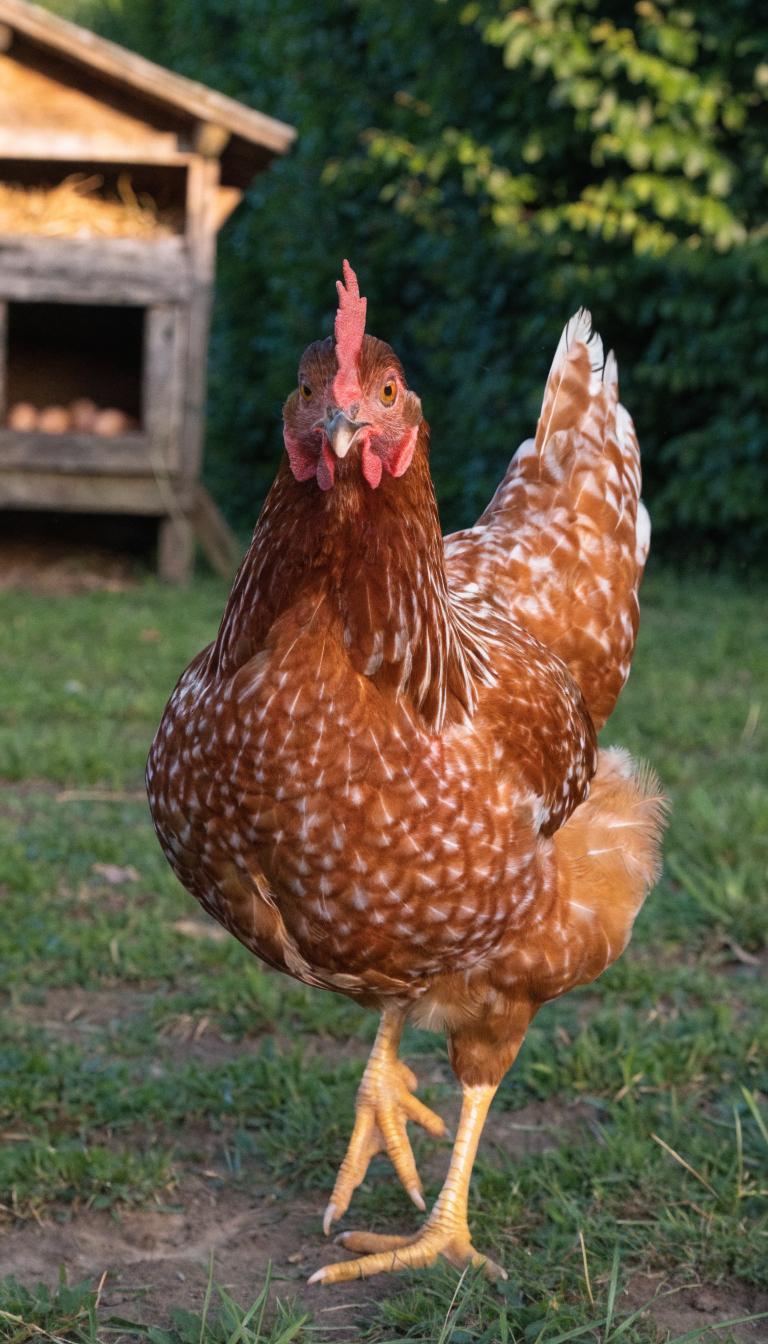
Speckled Sussex birds look like they wear confetti. They follow you around, “help” with chores, and produce solid numbers of brown eggs.
- 180–240 brown eggs each year
- Excellent foragers—cheap to feed if free-ranging
- Curious and people-focused
Best for folks who want companion-type hens that still earn their keep.
8. Wyandotte (Silver-Laced): The Living Art Piece
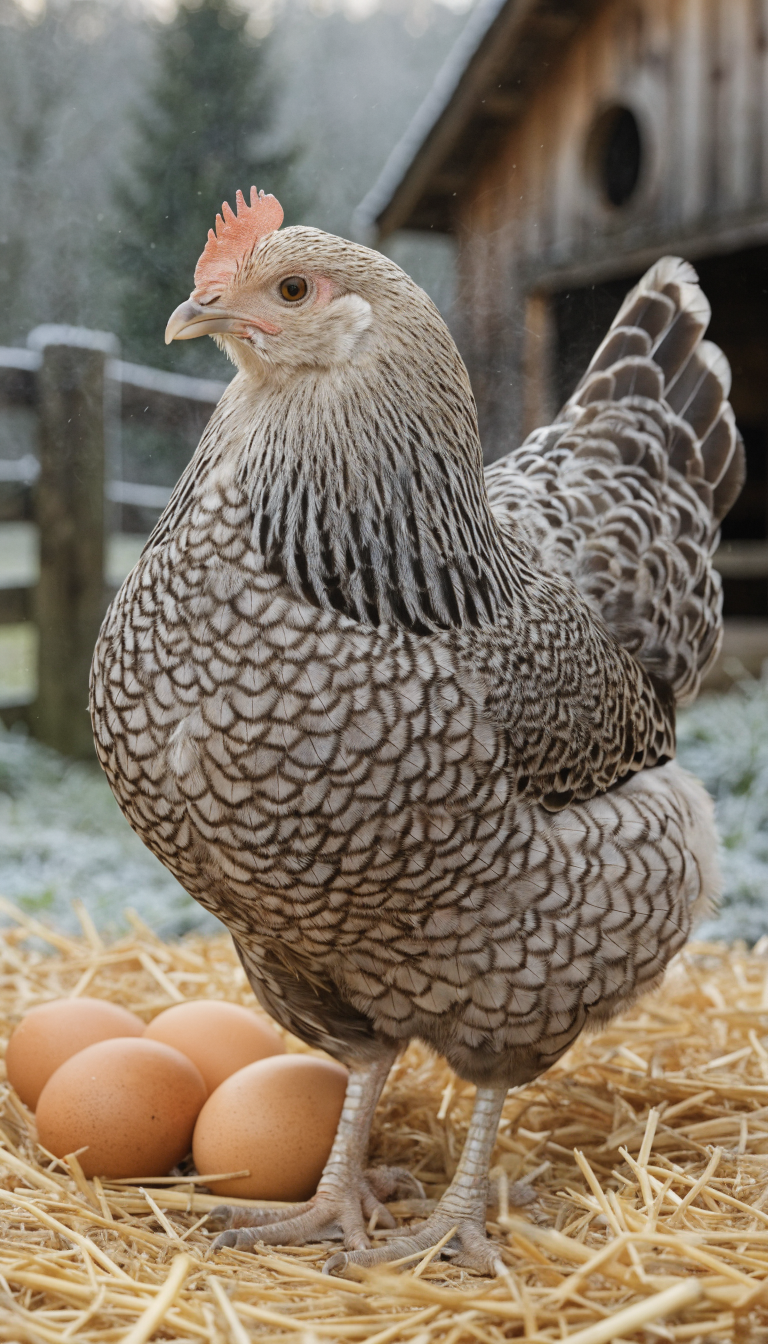
Silver-Laced Wyandottes deliver lace-patterned drama with a calm disposition. Their rose comb laughs at frostbite and their curves give fluffy, round silhouettes.
Key Perks
- 180–240 brown eggs per year
- Cold-hardy rose comb
- Moderate broodiness and good mothering
Choose for four-season beauty and solid production in cooler climates.
9. Leghorn (White): The Egg Machine
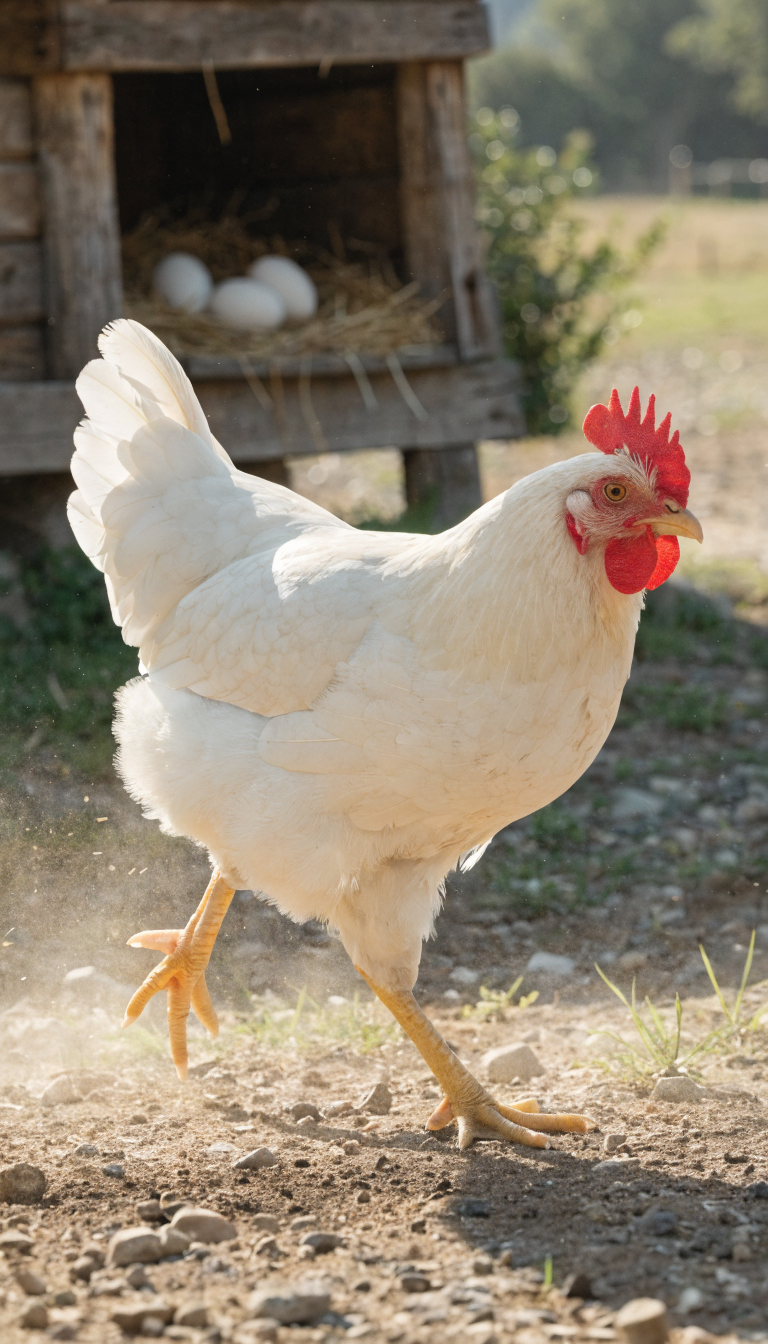
If you’re here for egg math, Leghorns crush the numbers. They’re light-bodied, thrifty eaters, and they’ll outlay heavier heritage breeds easily.
- 250–320+ white eggs annually
- Active and alert—give them space
- Lower feed costs per egg
Best for high-output setups and hot climates where efficiency shines.
10. Marans (Black Copper): The Chocolate Egg Status Symbol
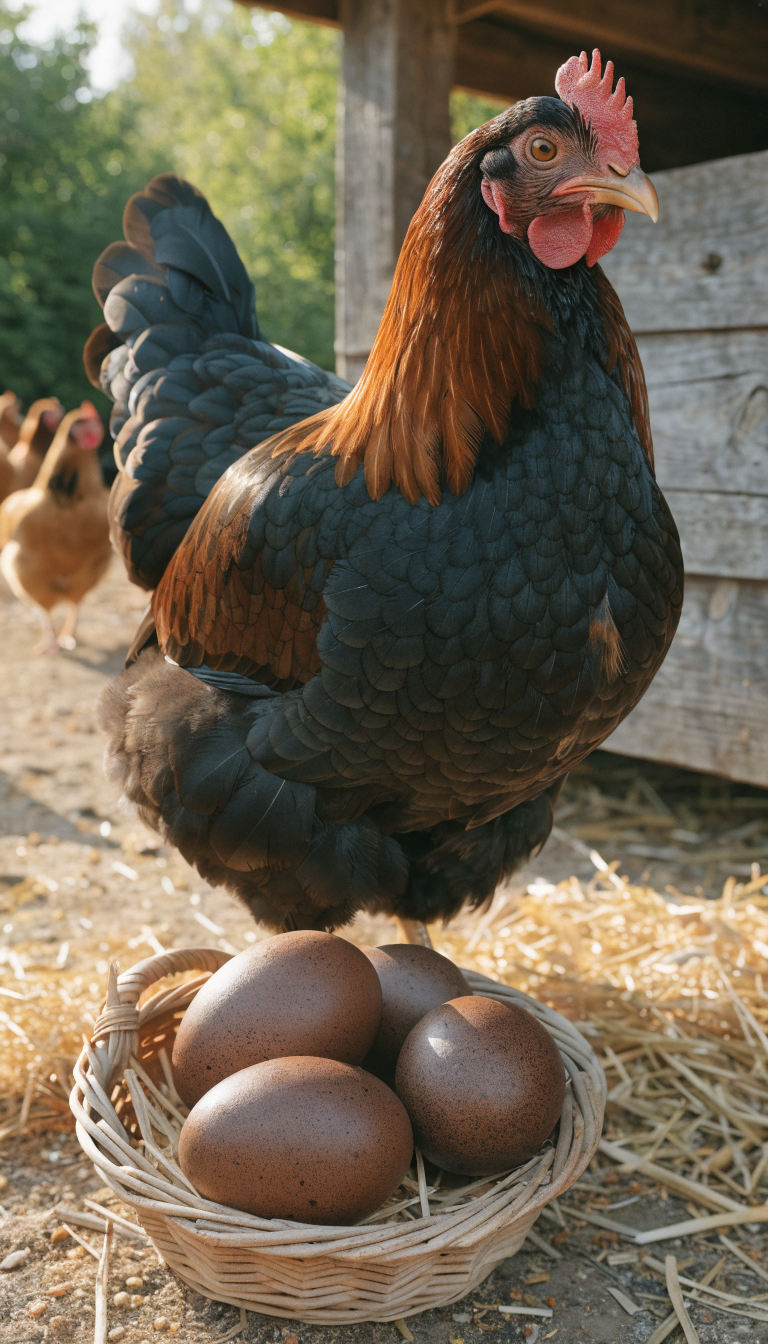
Marans lay those coveted deep brown “chocolate” eggs people post online like trophy shots. They look dapper with copper hackles and dark bodies.
Details
- 150–200 dark brown eggs
- Calm but reserved; good in mixed flocks
- Egg color varies—choose reputable lines
Pick Marans when you want gourmet vibes and a little mystique in the basket.
11. Cream Legbar: Auto-Sexing With Sky-Blue Eggs
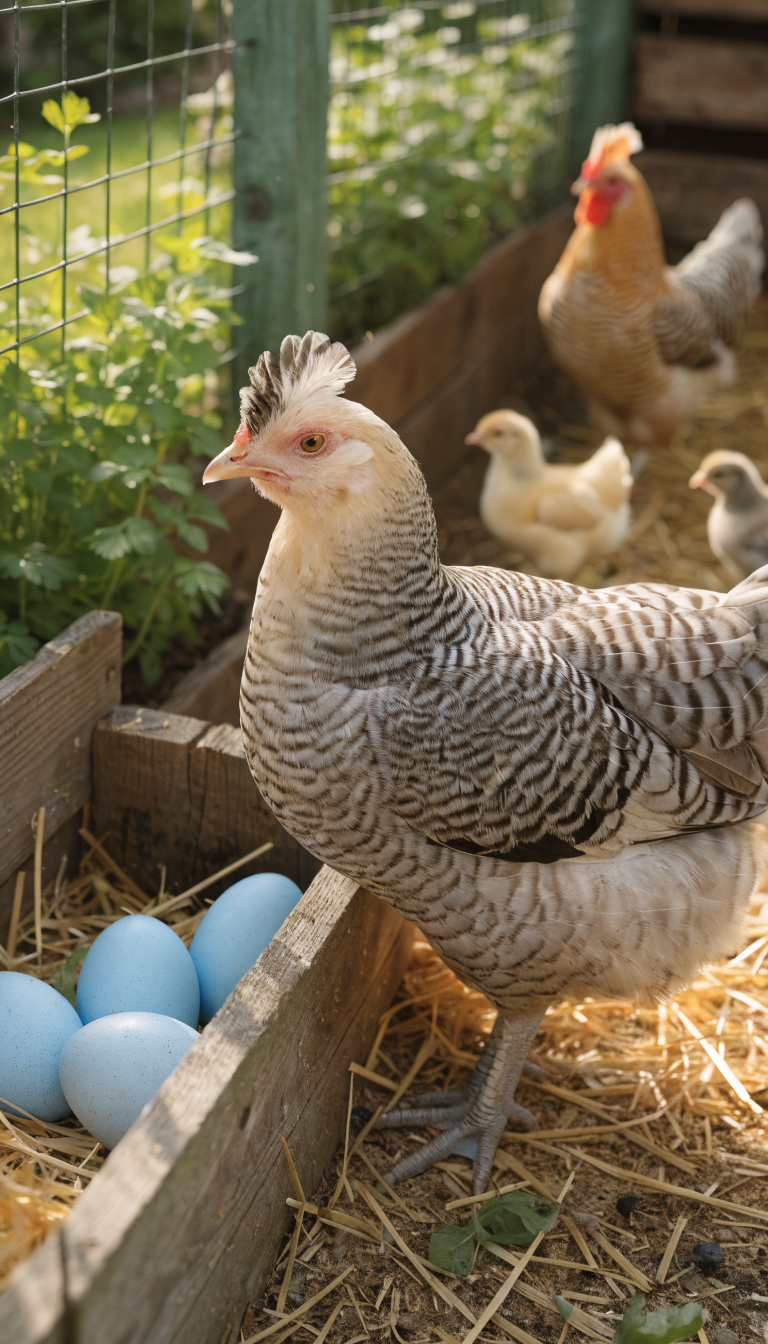
Cream Legbars bring blue eggs and the convenience of sex-linked chicks at hatch. Their jaunty crests add flair without turning them into divas.
- 180–230 blue eggs yearly
- Auto-sexing saves time when breeding
- Active foragers that stay slim and efficient
Great for small breeders and color-egg fans who like tidy genetics.
12. Brahma (Light): The Gentle Giant
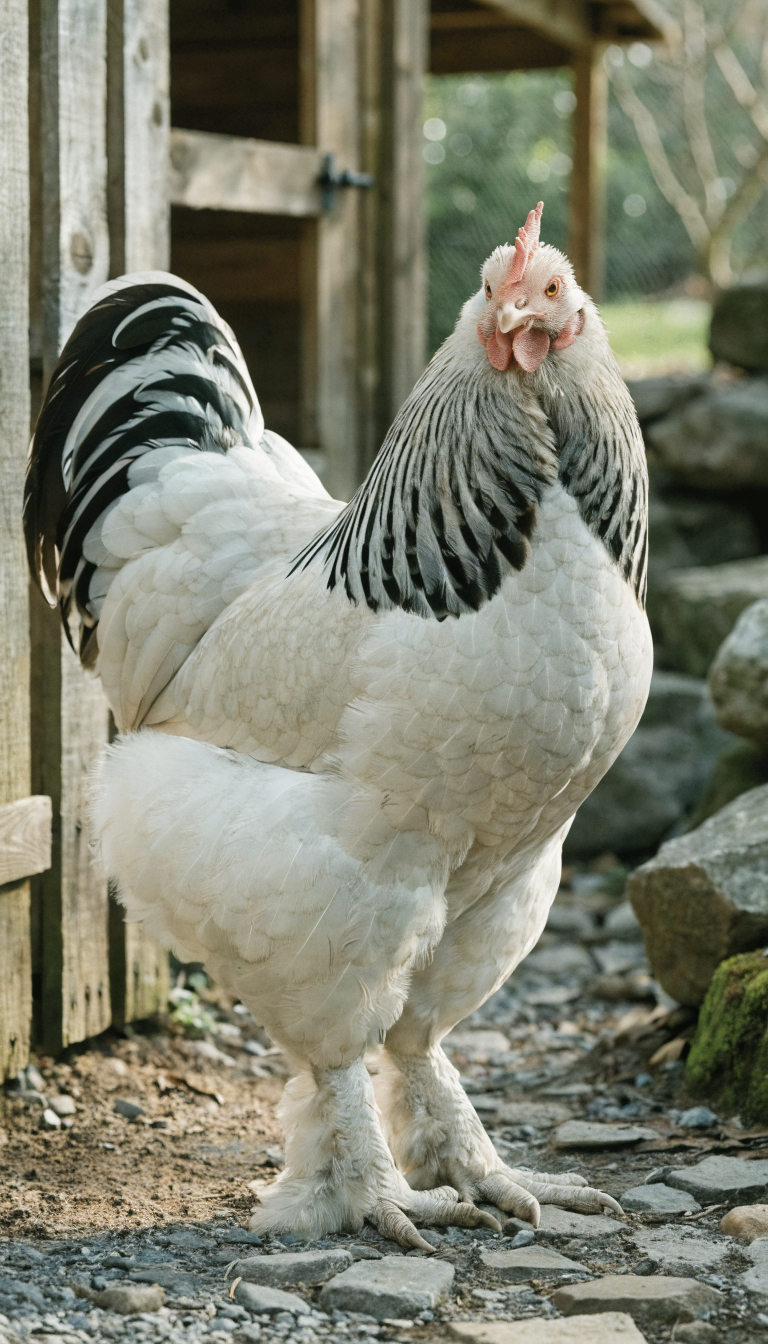
Brahmas tower over most breeds with feathered feet and chill energy. Despite their size, they handle confinement well and stay surprisingly polite.
Good To Know
- 150–200 brown eggs
- Cold-tolerant, slow-growing
- Quiet demeanor—neighbors approve
Choose Brahmas when you want impressive yard presence and calm companionship.
13. Cochin: The Fluffy Foot Model
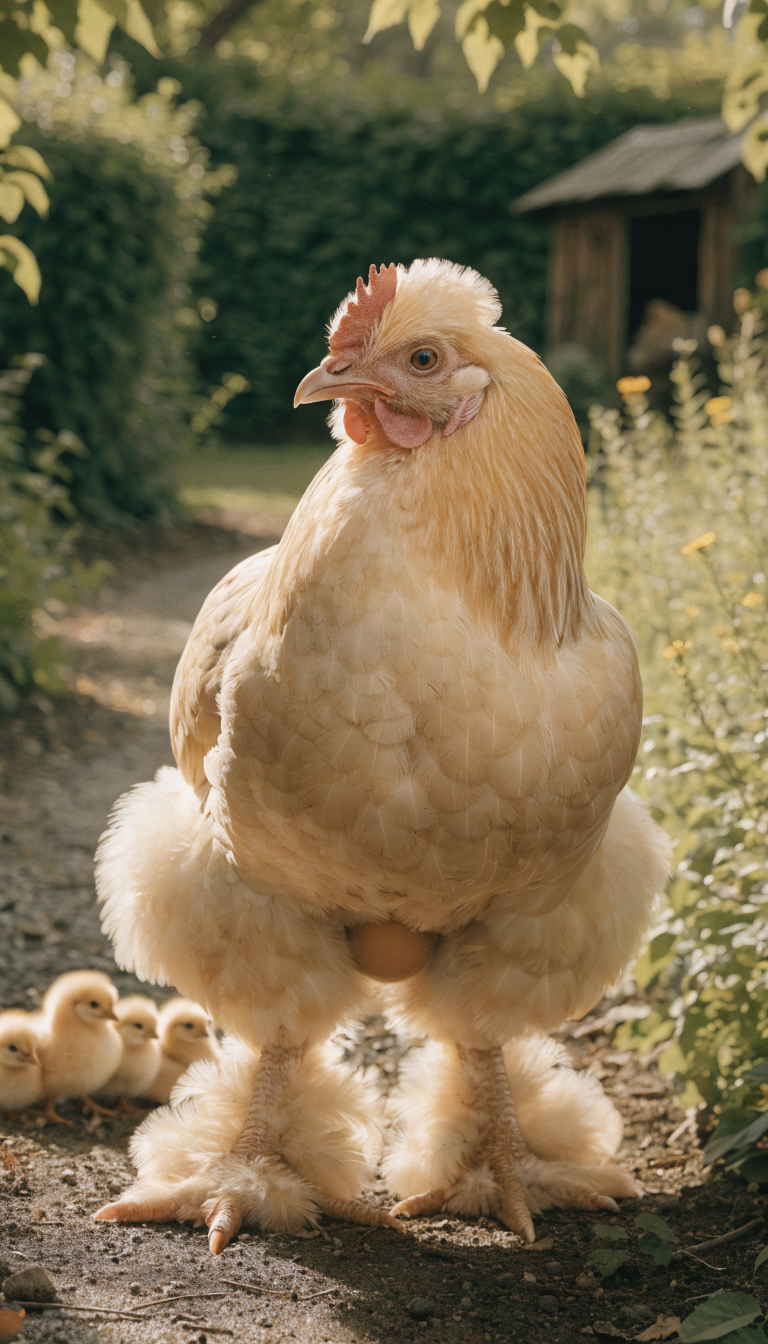
Cochins look like walking pom-poms with feathered legs and oversized charm. They won’t break egg records, but they’ll win hearts and raise chicks like champs.
- 120–180 light-brown eggs yearly
- Extremely broody and nurturing
- Great for families; low flight risk
Ideal if you love cuddly aesthetics and plan to hatch your own flock.
14. Olive Egger: The Trendy Mixer
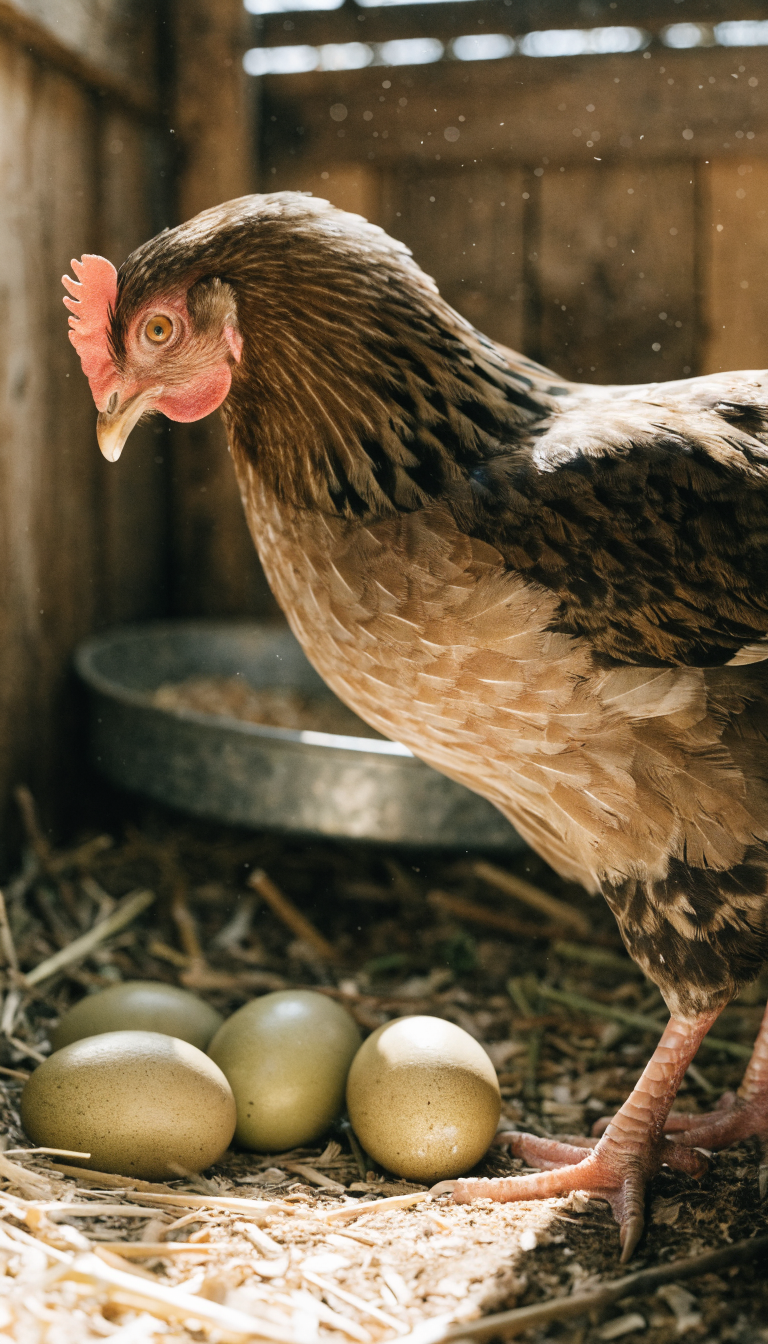
Olive Eggers result from pairing dark-brown layers with blue-egg breeds, and the payoff is green-to-olive eggs that look ridiculously cool. The birds themselves vary—part of the fun.
Why They’re Hot
- 180–220 olive or sage-green eggs
- Hardy hybrids with hybrid vigor
- Often friendly and curious
Pick these if you want a designer egg carton without boutique prices.
15. ISA Brown (or Similar Hybrids): The Everyday Overachiever
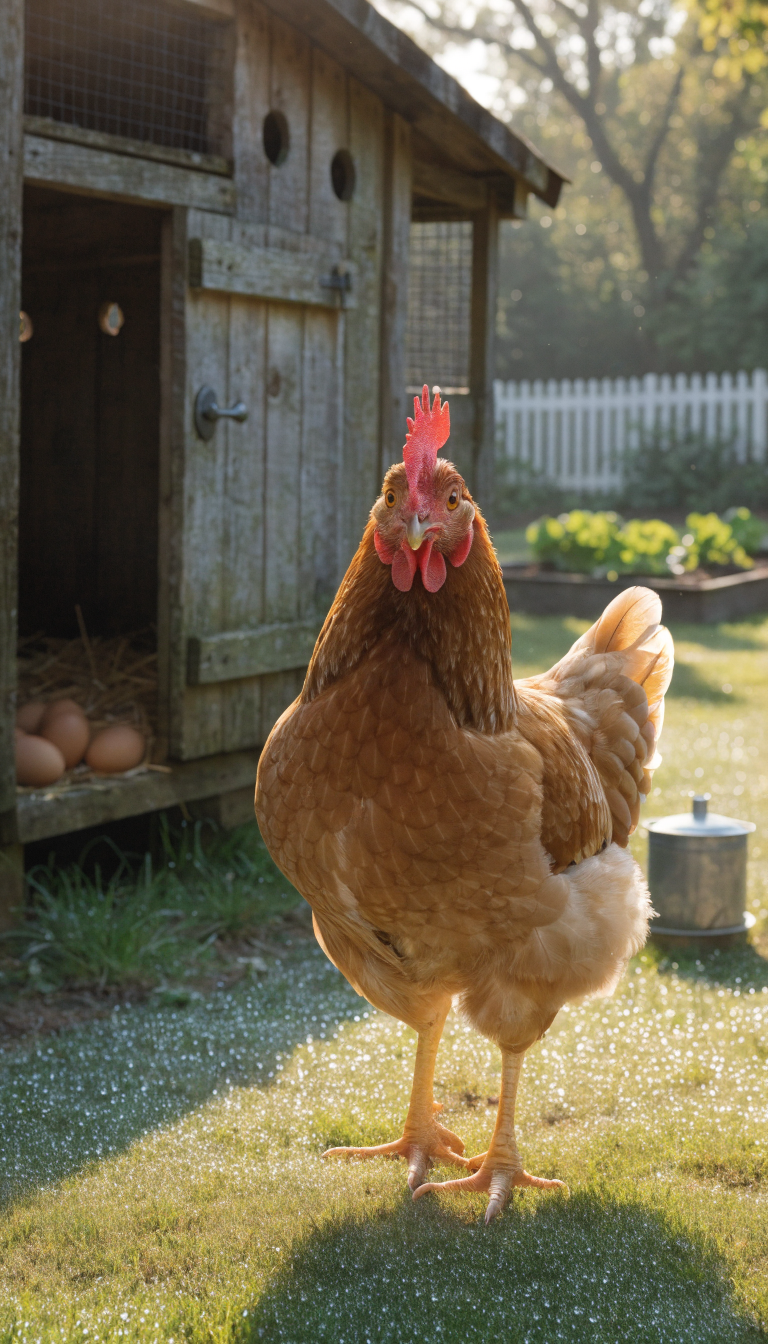
Commercial hybrids like ISA Browns bring ridiculous consistency. They’re people-friendly and lay like their job depends on it—because it kind of does.
- 280–320 brown eggs annually
- Great feed efficiency and early maturity
- Gentle with kids, easy to handle
Perfect for backyard keepers who want effortless, near-daily eggs. Seriously.
16. Welsummer: The Terra-Cotta Artist
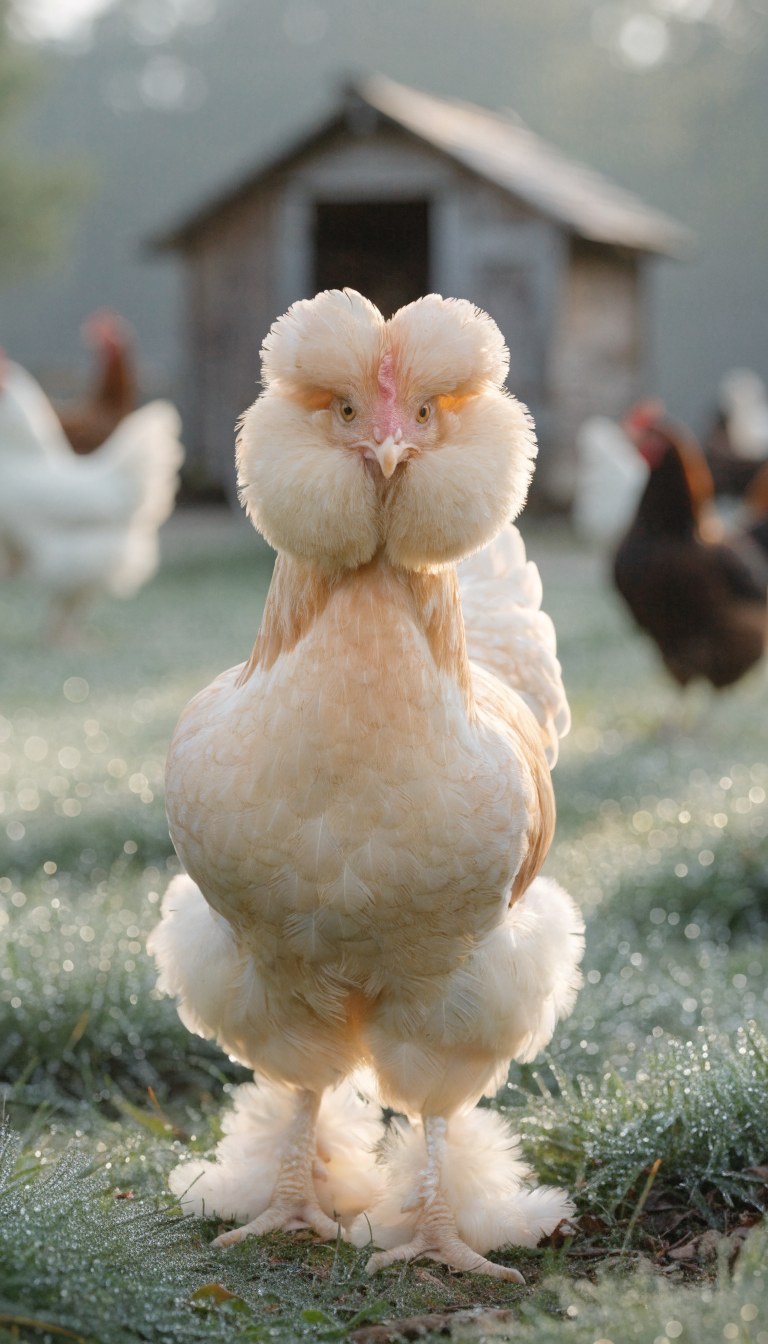
Welsummers lay terracotta-brown eggs, often with freckles that look hand-painted. They also flaunt rich partridge plumage that turns heads.
At A Glance
- 150–200 richly colored eggs
- Good foragers; thrive on pasture
- Roosters crow with confidence (you’ve been warned)
Best when you want pretty birds and photogenic baskets with a rustic vibe.
17. Faverolles (Salmon): The Bearded Softie
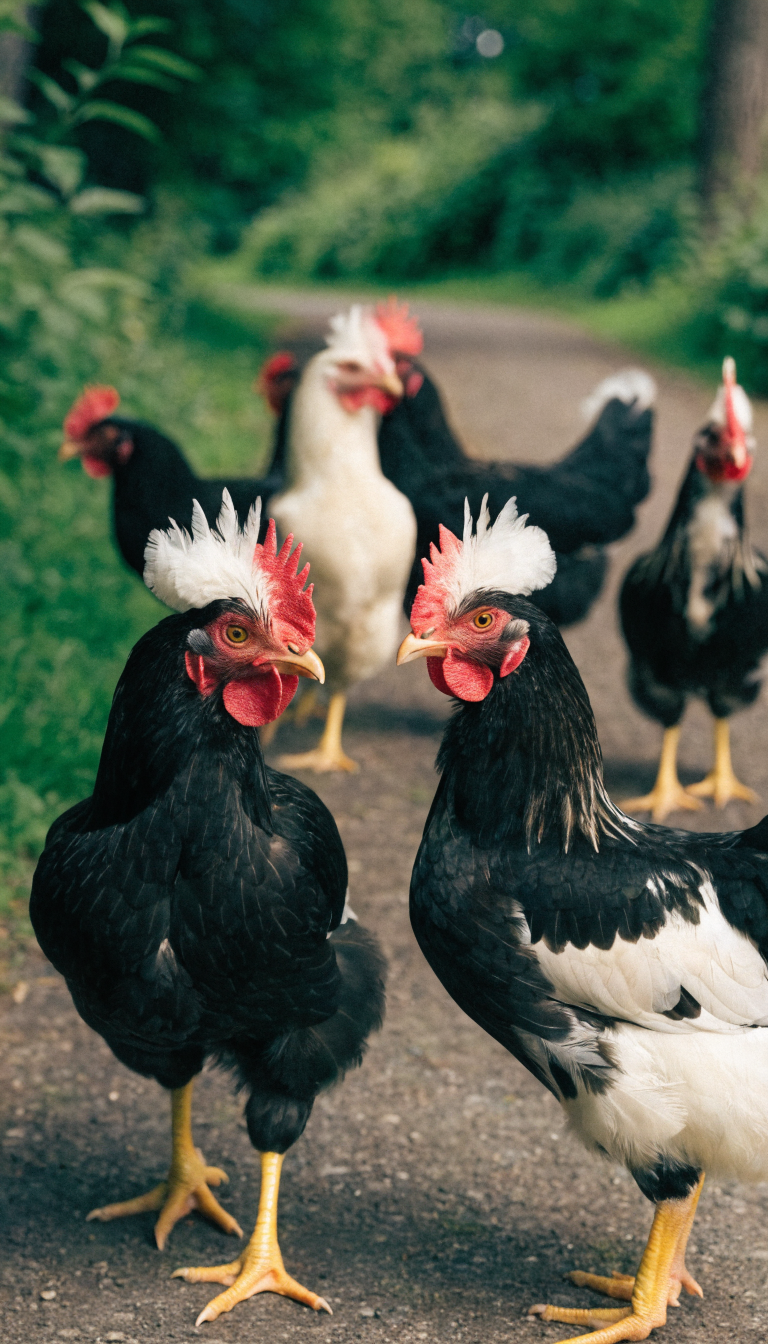
Faverolles bring beards, muffs, feathered feet, and the sweetest dispositions. Their pastel Salmon coloring looks dreamy in soft light.
- 150–200 tinted or light-brown eggs
- Docile—can be bullied by bolder breeds
- Do well in cooler climates
Great for gentle flocks, family yards, and anyone who loves a fluffy face.
18. Appenzeller Spitzhauben: The Crest With Attitude
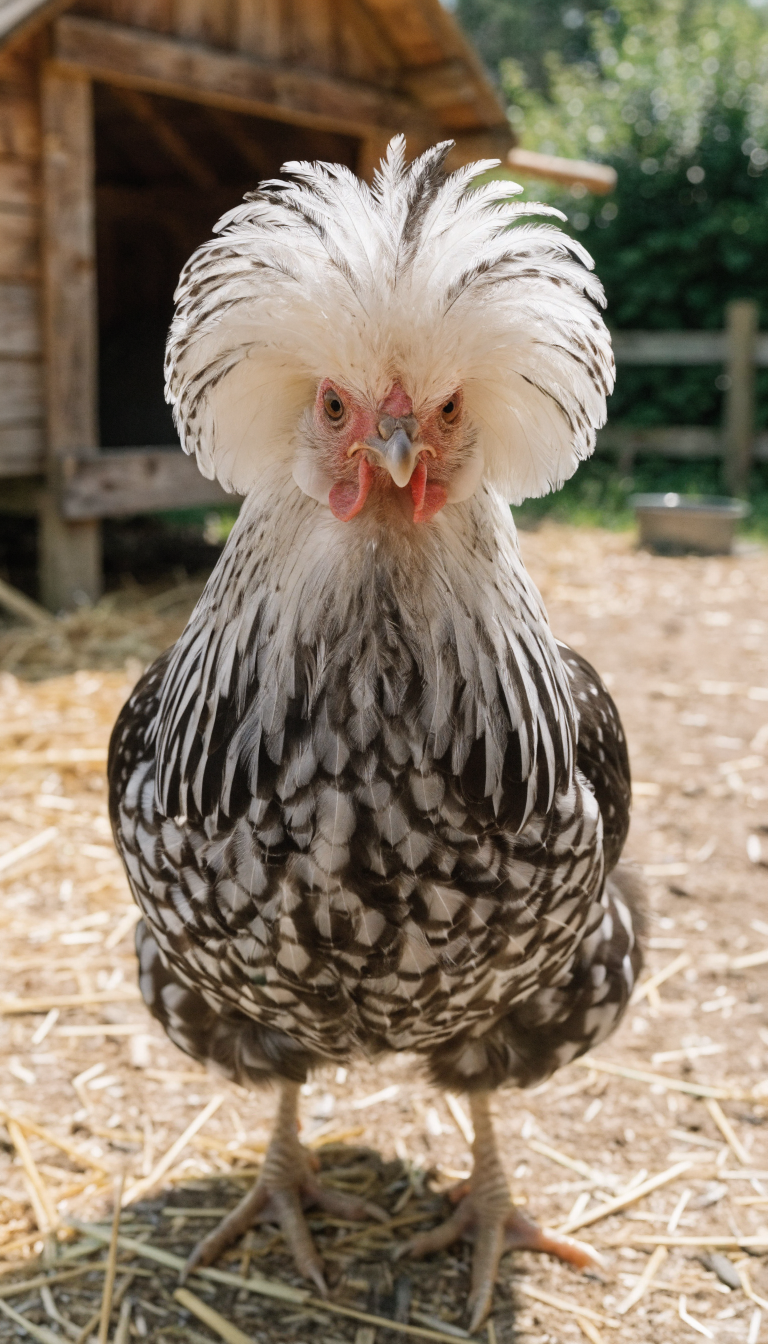
Looking for flair? Spitzhaubens sport forward-swept crests and spotted feathers that scream “fashion week.” They’re agile climbers and love free-ranging.
Need-To-Know
- 150–200 white eggs yearly
- Light-bodied, high-energy
- Do best with space and perches
Choose them if you want unique looks and an active, foraging lifestyle.
19. Polish: The Show-Stopper With The Big Hair
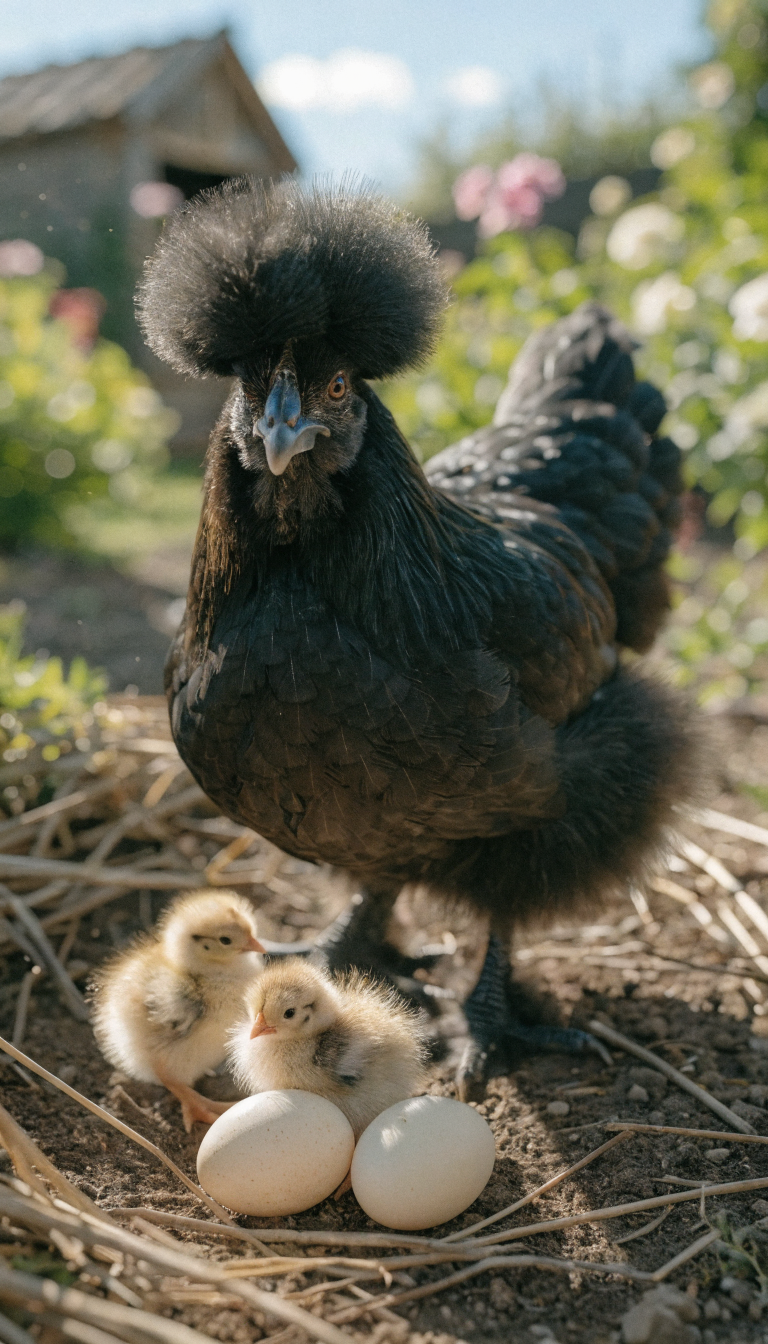
Polish chickens wear outrageous crests that make everyone smile. They lay decently, but let’s be honest—you’re getting them for the vibe.
- 120–180 white eggs
- Can be skittish due to limited vision
- Keep crests clean and dry to avoid issues
Best for style-forward flocks where entertainment value ranks high.
20. Silkies: The Fluffball Babysitters
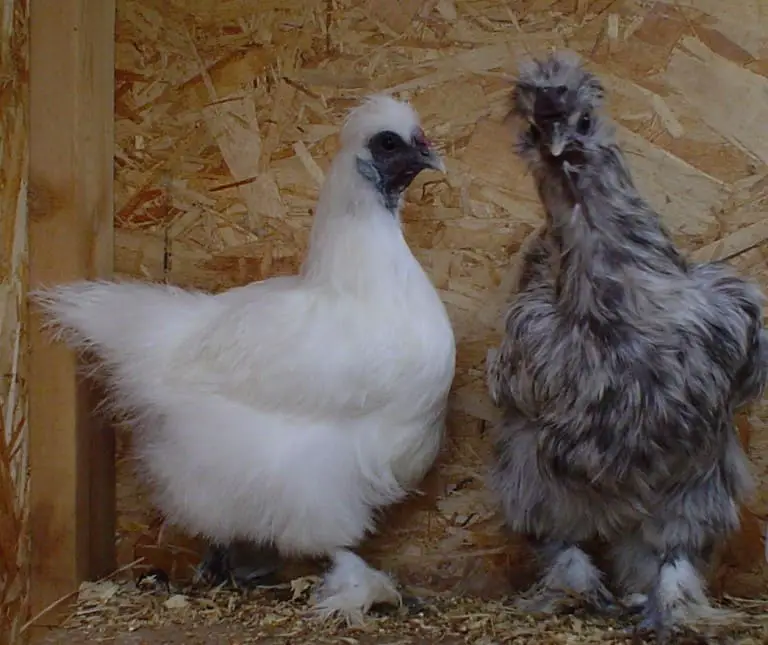
Silkies feel like satin and look like clouds with feet. They won’t win laying contests, but they’ll brood anything—eggs, golf balls, your hopes and dreams.
Quick Facts
- 100–140 small cream eggs
- Docile, tiny, and adored by kids
- Excellent mothers; ideal for hatching
Pick Silkies when you want living plush toys and dedicated chick-rearing pros. IMO, every flock needs one.
Ready to build your dream flock? Mix a few power layers with a couple of showstoppers, then add one or two broodies for hatching duty. Balance personality, climate needs, and egg color—and you’ll have a backyard that makes breakfast and brings the vibes. Trust me, your mornings just got way more fun.
Share this content: