15 Easy Vegetables to Grow for Beginners Who Want Fast Results Fast
You want veggies you can plant today and eat before your enthusiasm fizzles out? Same. The trick: pick plants that sprout fast, don’t throw diva fits, and forgive a missed watering or two. These 15 easy vegetables deliver quick wins—even if your gardening resume reads “watched two YouTube videos.”
Let’s get your hands dirty (figuratively first, literally soon).
Quick Wins: Veggies That Grow Fast (Like, Really Fast)
Radishes – The sprinters of the garden. They mature in 25–35 days. You can sow them every couple of weeks for a steady crunch. Give them full sun, consistent moisture, and don’t overcrowd.
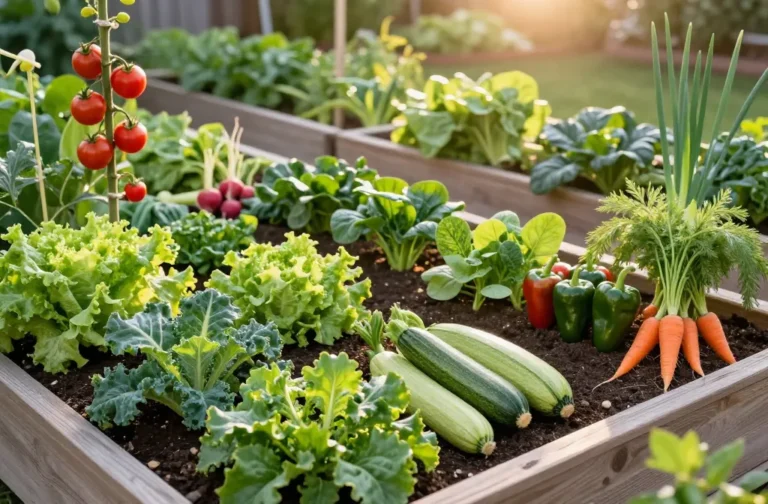
Leaf Lettuce – Go for loose-leaf varieties like ‘Black Seeded Simpson’ or ‘Green Ice.’ Start harvesting baby leaves in 3 weeks. Cut-and-come-again style means the plant keeps giving.
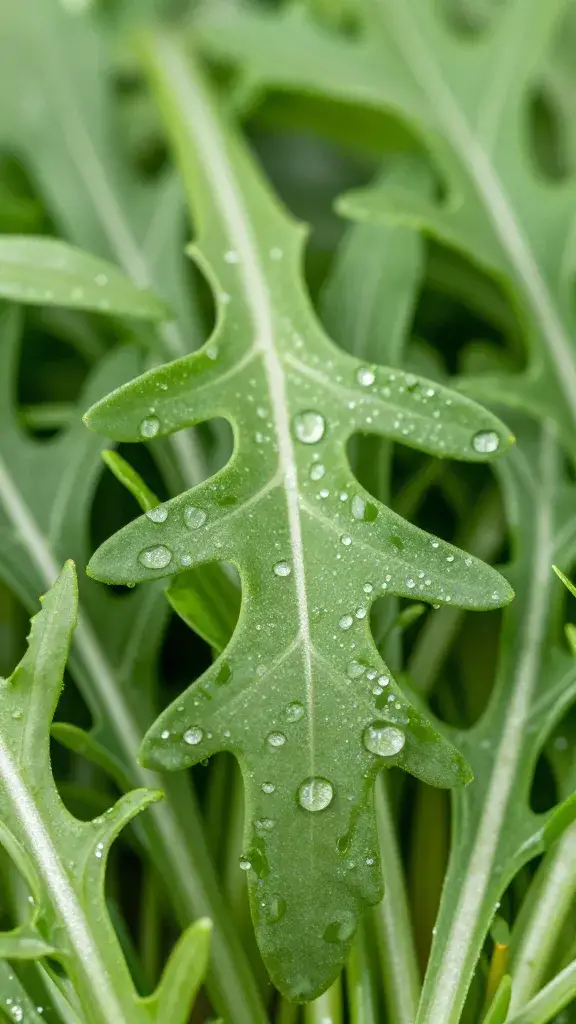
Arugula – Peppery, fancy-salad vibes in 20–30 days. It tolerates partial shade and cool weather. Bolts (flowers) when hot, so sow in spring or fall for best results.
Green Onions (Scallions) – Plant once, snip often. They don’t need deep soil and grow in tight spaces. You’ll see usable growth in 3–4 weeks.
Spinach – Fast, nutrient-dense, and happiest in cool temps. Baby leaves in 20–30 days. Keep it well-watered and shaded in heat to delay bolting.
Speed Tips
- Use fresh seed for better germination.
- Pre-water the bed before sowing for even moisture.
- Succession sow every 2–3 weeks for continuous harvests.
Foolproof Staples You’ll Actually Eat
Bush Beans – These compact plants don’t need support and start producing in 50–60 days. Pick often to keep them coming. They love sun and warm soil—no cold feet allowed.
Zucchini – The suburban legend is true: one plant can feed a family (and half the neighborhood). Harvest when they’re 6–8 inches long in about 45–55 days. Give them space and don’t overwater.
Cucumbers – Trellis them to save space and keep fruit clean. Pickling types mature faster than slicers. They thrive with consistent water and a few side shoots trimmed.
Cherry Tomatoes – Not technically a vegetable, but IMO still essential. They fruit faster than big slicers and handle beginner mistakes better. Choose determinate or compact indeterminates for containers.
Easy Care Cheats
- Mulch to keep moisture steady and weeds down.
- Feed lightly with a balanced fertilizer when plants start to flower.
- Water at the base to avoid leaf diseases—no plant enjoys a surprise shower.
Salad Heroes for the Impatient
Bok Choy (Pak Choi) – Baby bok choy matures in 30–40 days and tastes amazing stir-fried or raw. Prefers cool temps and partial shade in hot areas.
Kale – Baby leaves in 25–30 days, full-size in 50–60. It shrugs off pests and weather. Harvest outer leaves and let the center keep growing.
Swiss Chard – Pretty and practical. Cut baby leaves in 30 days, larger leaves in 50–60. It handles heat better than spinach and keeps producing for months.
Mustard Greens – Zippy flavor, super fast. Baby greens in 20–25 days. Great for mixing into salads to pretend you’re fancy.
Mix-and-Match Planting
- Interplant fast greens between slower crops to use empty space.
- Harvest young for best texture and speed.
- Partial shade helps most greens stay tender and slow to bolt.
Root Veggies That Don’t Waste Your Time
Baby Carrots – Choose quick varieties like ‘Parisian’ or ‘Thumbelina.’ They mature faster (50–60 days) and don’t need deep, perfect soil. Thin seedlings early for straight roots.
Beets – Two-for-one deal: tender greens in a few weeks, roots in 50–60 days. Keep soil loose and evenly moist. Harvest young for sweeter flavor.
Turnips – Salad turnips (like ‘Hakurei’) are crunchy and mild, ready in 30–40 days. Roots and greens both shine in the kitchen.
Soil Prep for Roots
- Loosen soil at least 8–10 inches deep; remove rocks and clumps.
- Go easy on nitrogen to avoid tons of tops and tiny roots.
- Thin seedlings ruthlessly—crowding = weird shapes.
Container Crowd-Pleasers
Peas (Sugar Snap or Snow) – Cool-weather champs. They sprout quickly and give sweet pods in 55–65 days. Use a small trellis and keep them watered.
Baby Greens Mix – Toss a mesclun mix into a window box and start snipping in 2–3 weeks. Cut with scissors and let them regrow.
Herbs (Bonus Round) – Not veggies, but FYI basil, chives, and parsley make everything taste better and grow like a dream in pots.
Container Basics
- Choose a pot with drainage—no exceptions.
- Use quality potting mix, not garden soil.
- Water more often—containers dry out fast, especially in heat.
15 Easy Vegetables at a Glance
- Radishes
- Leaf lettuce
- Arugula
- Green onions
- Spinach
- Bush beans
- Zucchini
- Cucumbers
- Cherry tomatoes
- Bok choy
- Kale
- Swiss chard
- Mustard greens
- Baby carrots
- Beets or turnips (pick one to start, but both are easy)
Planting Like You Mean It
Sunlight – Aim for 6–8 hours of direct sun for fruiting crops (tomatoes, cukes, zucchini). Greens tolerate partial shade and actually prefer it in hot climates.
Watering – Deep, infrequent watering > quick daily sprinkles. Stick your finger in the soil; if the top inch feels dry, water thoroughly.
Feeding – Mix compost into beds before planting. For containers, add a slow-release fertilizer and supplement with a diluted liquid feed every 2–3 weeks.
Pests – Start with physical barriers like row cover. Pick off pests early. If needed, use insecticidal soap or neem as a gentle fix. IMO prevention beats cure every time.
Beginner-Friendly Schedule
- Sow radishes, arugula, lettuce, and spinach first for fast morale boosts.
- Plant zucchinis, cucumbers, and cherry tomatoes once nights stay warm.
- Add beans, chard, and kale to keep the harvest rolling.
- Slip in baby carrots, beets, or turnips for root variety.
- Resow greens every 2–3 weeks to avoid feast-or-famine harvests.
FAQ
How soon can I harvest something after planting?
You can start snipping baby greens in 14–21 days and pull radishes in about 25–35 days. Most fast veggies deliver a first harvest within a month. That’s basically instant gratification by gardening standards.
What’s the easiest vegetable to grow if I’ve never planted anything?
Radishes and leaf lettuce win for sheer speed and forgiveness. Green onions also make you feel like a pro fast. They don’t demand much and bounce back from minor neglect.
Can I grow these on a balcony?
Absolutely. Pick compact varieties and use containers at least 10–12 inches deep for tomatoes and zucchinis, smaller for greens and radishes. Add a trellis for cucumbers or peas, water consistently, and you’re golden.
Do I need fancy fertilizer?
Nope. Mix in compost before planting and use a basic balanced fertilizer, especially in containers. Go easy—too much nitrogen gives leafy explosions with zero flavor or fruit.
What if it gets really hot?
Provide afternoon shade for greens, water early in the morning, and mulch to keep roots cool. Choose heat-tolerant varieties when possible. If something bolts, harvest what you can and resow when temps drop—no shame in replanting.
How do I keep pests from destroying everything?
Use row cover early, keep plants healthy with steady water, and check leaves often. Hand-pick pests before they party. If needed, try insecticidal soap; it’s gentle and effective for many soft-bodied bugs.
Wrap-Up: Grow Now, Eat Soon
You don’t need a farm, a degree, or a mystical green thumb. You just need a handful of fast, forgiving veggies, a sunny spot, and a watering routine you’ll actually stick to. Start with a few from this list, harvest early and often, and enjoy the bragging rights. Your future salads will thank you—so will your wallet, IMO.
Share this content: