12 Small Garden Layout Ideas That Make Every Inch Count Now
Squeezed for space but big on plant dreams? You’re in the right place. These small garden layout ideas stack, layer, and trick the eye, so your tiny patch feels lush and intentional. Grab a trowel and your favorite beverage—let’s make every square inch earn its keep.
1. Go Vertical, Not Viral (But Kinda Both)
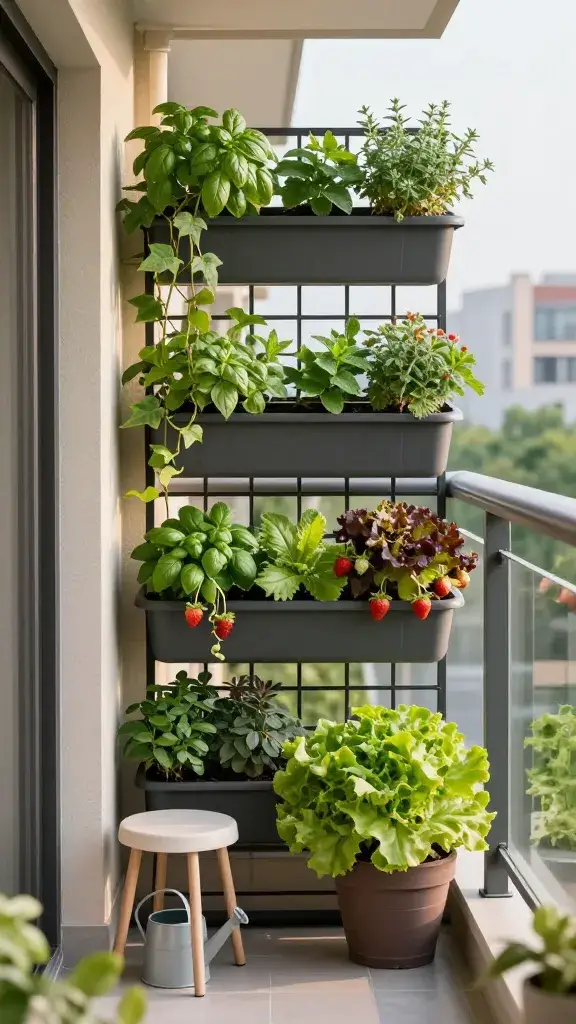
Walls, fences, railings—treat them like free real estate. Vertical gardening lifts plants off the ground and multiplies your growing area instantly.
Great For:
- Herbs, strawberries, salad greens
- Trailing plants like pothos or ivy outdoors
- Narrow patios and balconies
Use trellises, wall-mounted planters, gutters, or pocket planters. Mix heights for dimension and aim for a tidy grid so it looks intentional, not chaotic. You’ll open up floor space while getting that lush, layered look—win-win.
2. Create Curves To Fake More Space
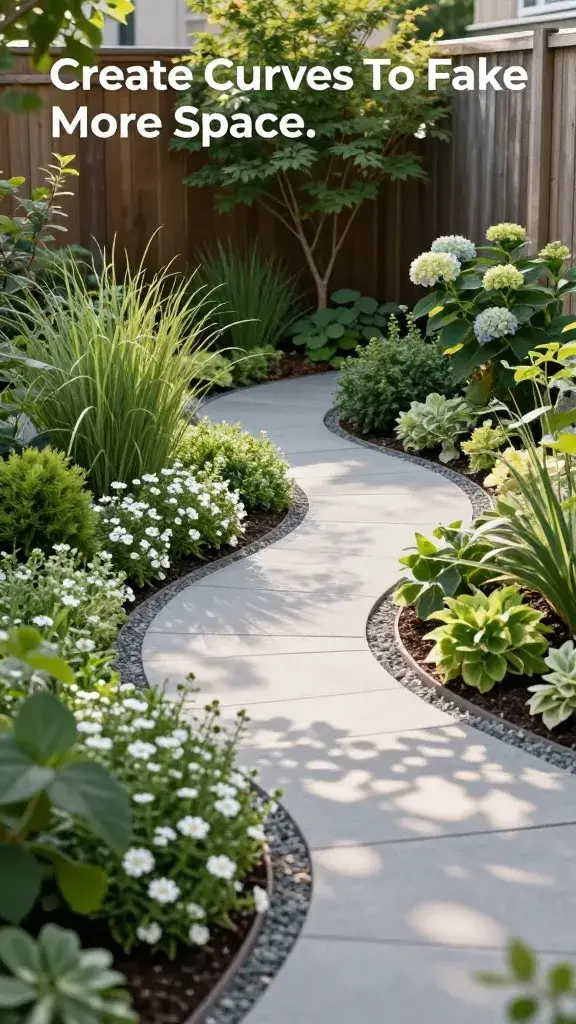
Straight lines can make a small garden feel boxy. Curved beds and winding paths lead the eye and make the area feel bigger than it is.
Tips:
- Sketch a simple S-curve path with pavers or gravel
- Soften edges with low mounding plants (alyssum, thyme)
- Hide corners with taller plants to add mystery
Curves add movement and break up harsh boundaries. Use this when your garden feels flat or “all at once.”
3. Build Up With Tiered Beds
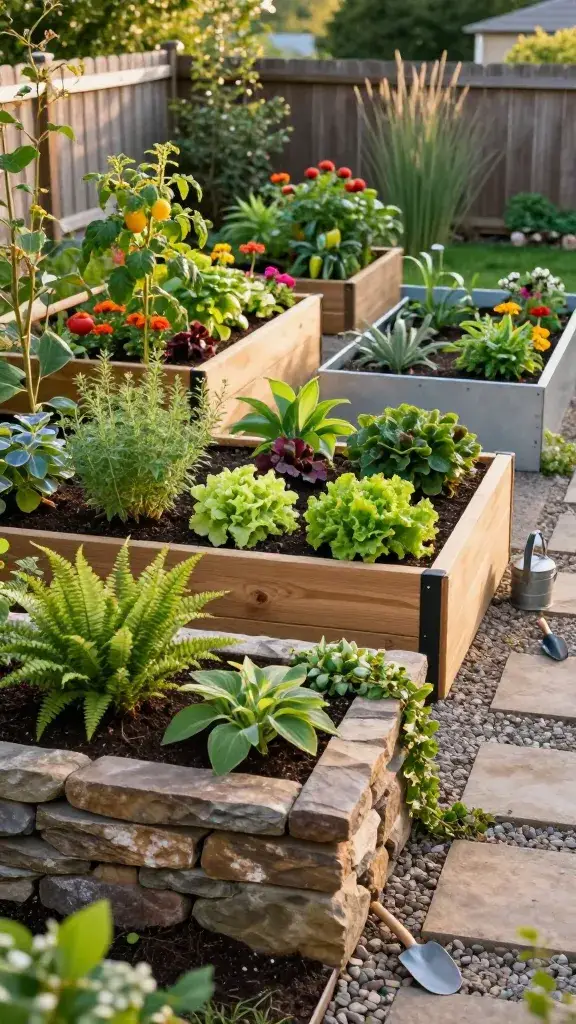
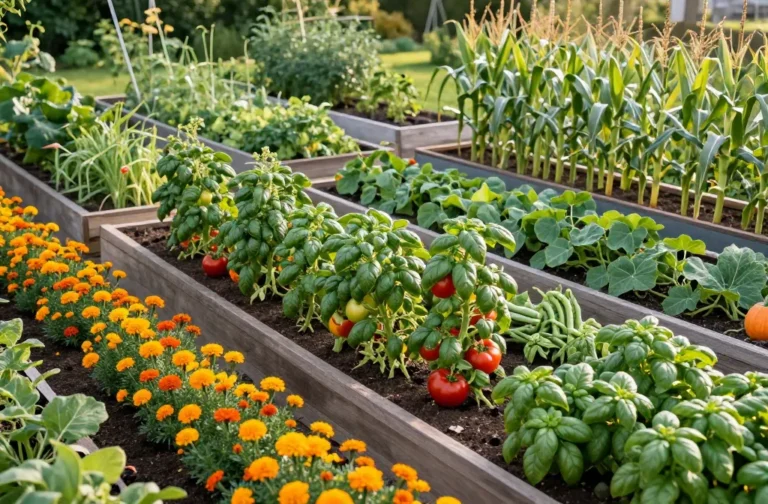
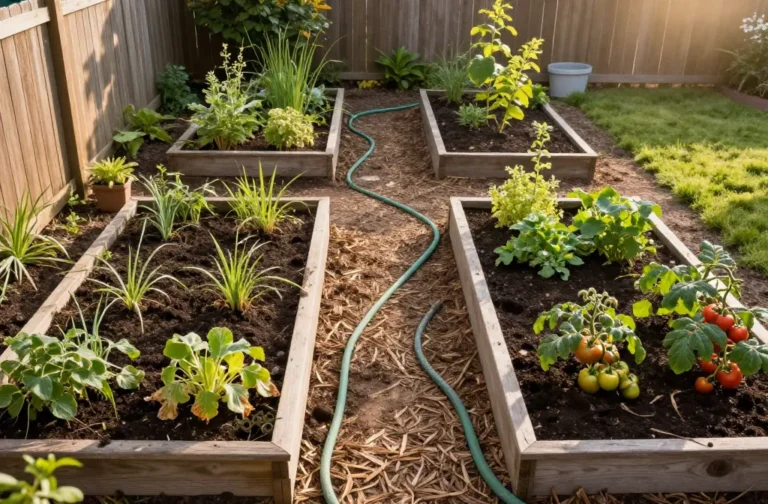
Raised tiers pack in more plants per footprint and show off layers like a botanical stadium. Plus, maintenance feels easier when you bring plants closer to hand height.
Materials That Work:
- Stacked stone, cedar boards, or metal panels
- Sturdy corner brackets and landscape fabric
- Good-quality soil and compost mix
Put thirstier, sun-loving plants up top and shade-tolerant ones below. This layout shines on slopes or awkward corners that need structure and drama.
4. Divide And Conquer With Mini “Rooms”
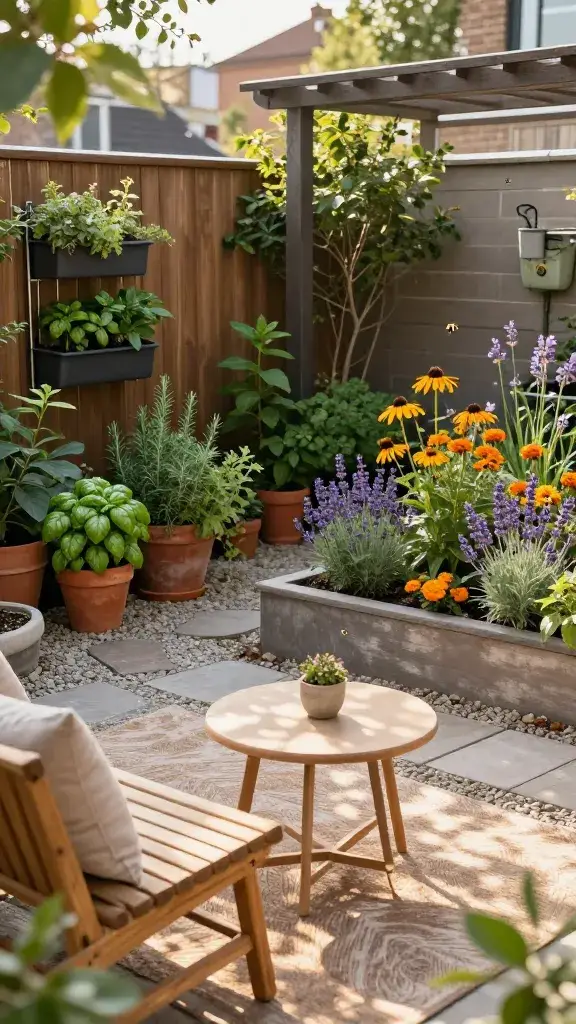
Multiple mini zones make your garden feel larger because each area serves a purpose. Think lounge nook, herb corner, and pollinator patch—tiny but mighty.
How To Zone Fast:
- Use outdoor rugs or pea gravel to define spaces
- Position a bench or bistro set as an anchor
- Add planters as “walls” to create subtle separation
You’ll gain clarity and function. Great for patios that feel like a catch‑all mess right now, FYI.
5. Choose Slim, Multi-Use Furniture
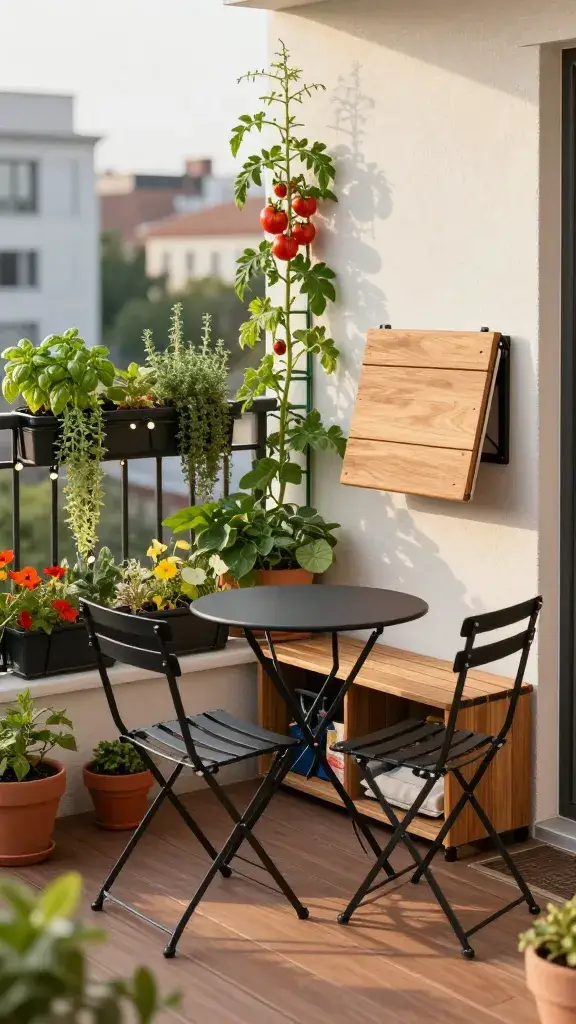
Bulky pieces eat space for breakfast. Opt for foldable chairs, narrow benches with storage, and café tables that tuck tight.
Smart Picks:
- Fold-flat bistro sets for instant dining mode
- Storage benches that hide tools and cushions
- Wall-mounted drop-leaf tables for micro balconies
Streamlined pieces keep circulation open and make planting areas feel bigger. Your back and your basil will thank you.
6. Mirror Magic (Yes, Outside)
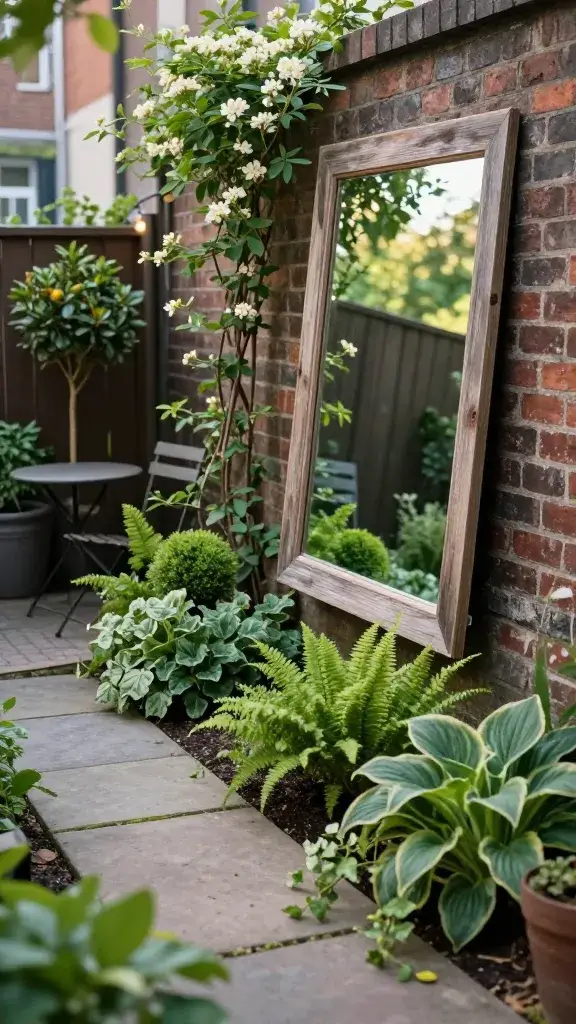
Mirrors double the view and bounce light into shaded spots. Used thoughtfully, they make a tiny garden feel like it extends beyond the fence.
Use With Care:
- Choose weatherproof, shatter-resistant mirrors
- Angle to reflect greenery, not your neighbor’s trash cans
- Add a rustic frame so it reads as a “window”
This trick works best on a protected wall. It’s simple, a little theatrical, and super effective.
7. Grow Up With Espalier And Columnar Plants
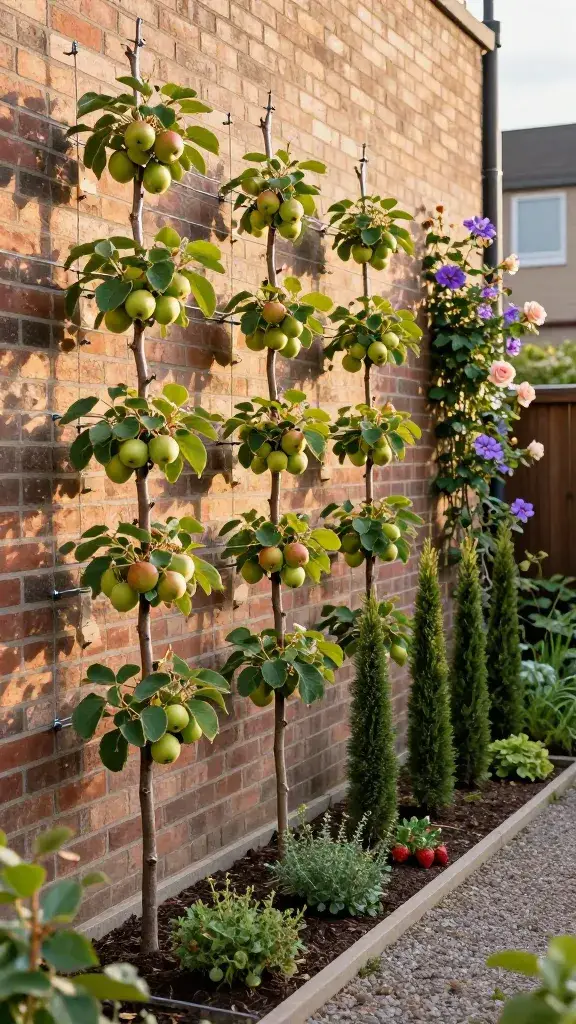
Train fruit trees flat against walls (espalier) or pick columnar varieties to save serious ground space. You still get fruit and structure without a sprawling canopy.
Good Candidates:
- Apple, pear, fig for espalier
- Columnar apples, Italian cypress, sky pencil holly
- Climbing roses or clematis on wires
Install horizontal wires and prune regularly. You’ll gain edible beauty in the slimmest footprint possible—IMO, elite garden wizardry.
8. Layer Heights Like A Scenic Sandwich
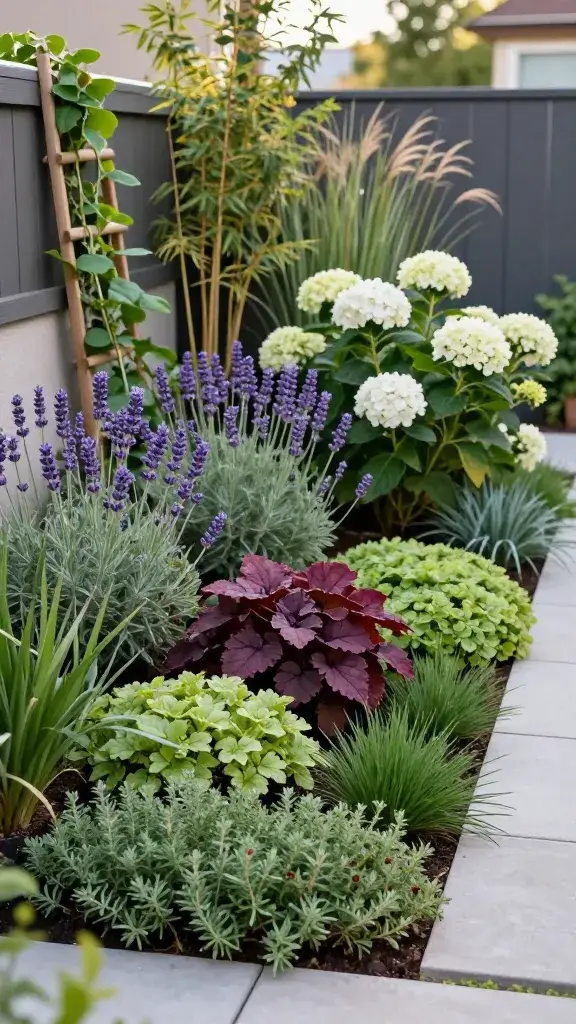
Three levels—low, mid, tall—create depth and polish even in a shoebox-sized garden. The eye reads layers as “more,” so your space looks lush without clutter.
Quick Formula:
- Front: Creeping thyme, sedum, dwarf mondo grass
- Middle: Lavender, heuchera, dwarf hydrangea
- Back: Bamboo clumps, trellised beans, ornamental grasses
Stick to a tight palette for cohesion and repeat plants in odd numbers. Use this anywhere you need instant depth without expanding a single inch.
9. Pathways With Purpose (And Personality)
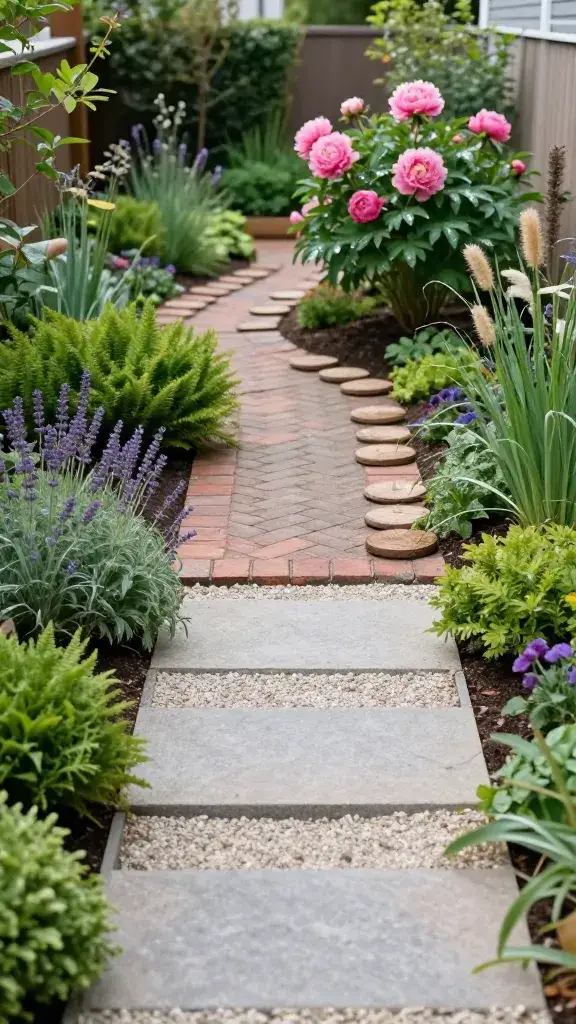
Clear walkways make a small garden feel intentional and easy to navigate. They also protect beds from trampling and frame planting areas like a gallery.
Path Options:
- Stepping stones in gravel for a modern vibe
- Brick herringbone for classic charm
- Wood rounds for rustic warmth
Keep paths at least 24 inches wide for comfort. Guide visitors where you want them to look—hello, prized peony.
10. Pot Clusters Over Lone Rangers
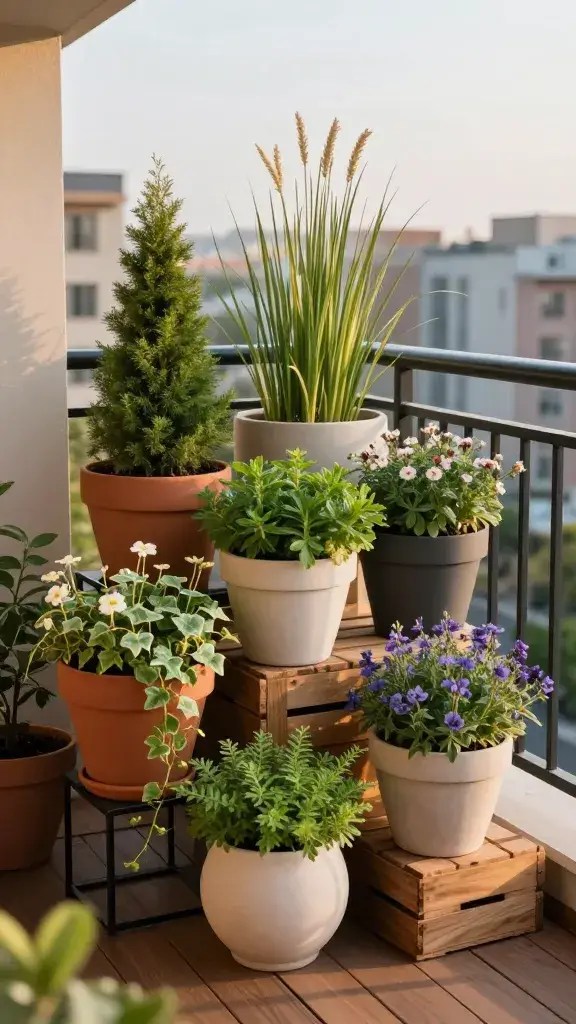
Single pots look lonely; clusters look curated. Group containers by color or material and vary heights to create instant impact.
Container Strategy:
- Use a thriller, filler, spiller combo in each big pot
- Stack pots on stands or crates for dimension
- Stick to 2–3 pot colors for cohesion
Clusters flex with the seasons and let renters play designer without digging. Perfect for patios, stoops, and balconies.
11. Install a Slim Water Feature For Big Zen
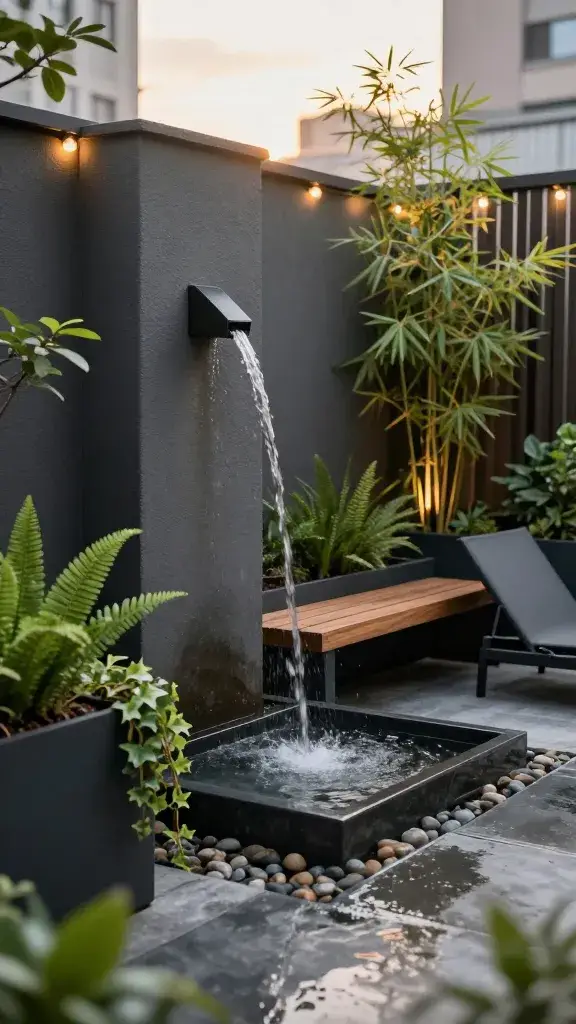
Sound changes how space feels. A narrow fountain or wall-mounted spout brings calm, masks street noise, and adds a focal point without hogging space.
Ideas That Fit Anywhere:
- Wall basin with recirculating pump
- Tall, narrow urn fountain
- Tabletop bubbler on a corner shelf
Keep it near seating so you actually enjoy it. Low effort, high ambiance—seriously soothing after a long day.
12. Plant For All Seasons (Small Doesn’t Mean Sparse)
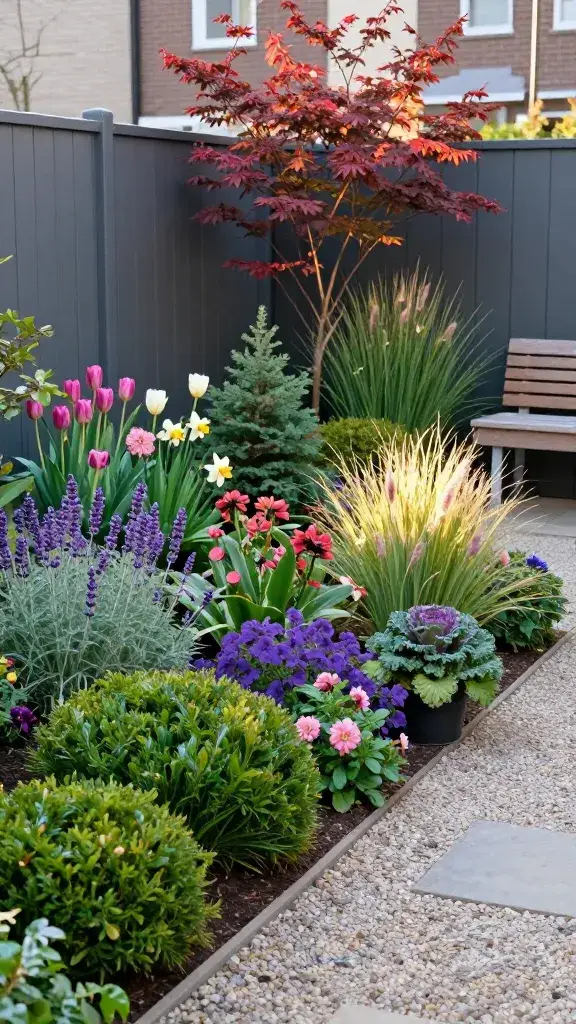
Year-round interest keeps a small garden from feeling empty half the year. Mix evergreens, long-bloomers, and plants with great winter structure.
Four-Season Mix:
- Spring: Tulips, daffodils, hellebores
- Summer: Lavender, salvia, dwarf dahlias
- Fall: Asters, sedum ‘Autumn Joy,’ ornamental kale
- Winter: Boxwood, holly, red twig dogwood, grasses
Layer textures and repeat colors to tie it all together. Your garden will feel alive and intentional every month, not just in June.
Ready to maximize your mini Eden? Start with one or two ideas and build from there. Small gardens punch way above their weight when you design smart—go make those inches count.
Share this content: