12 Perennial Flowers That Come Back Every Year and Look Beautiful Guide
Want a garden that shows up on time every spring without begging for attention? Perennials are your ride-or-die plants. Plant them once, enjoy them for years, and collect compliments like a pro. These beauties deliver color, texture, and drama—minus the annual replanting chore. Let’s build a garden that practically maintains itself, shall we?
1. Peonies That Fluff Up Like Couture
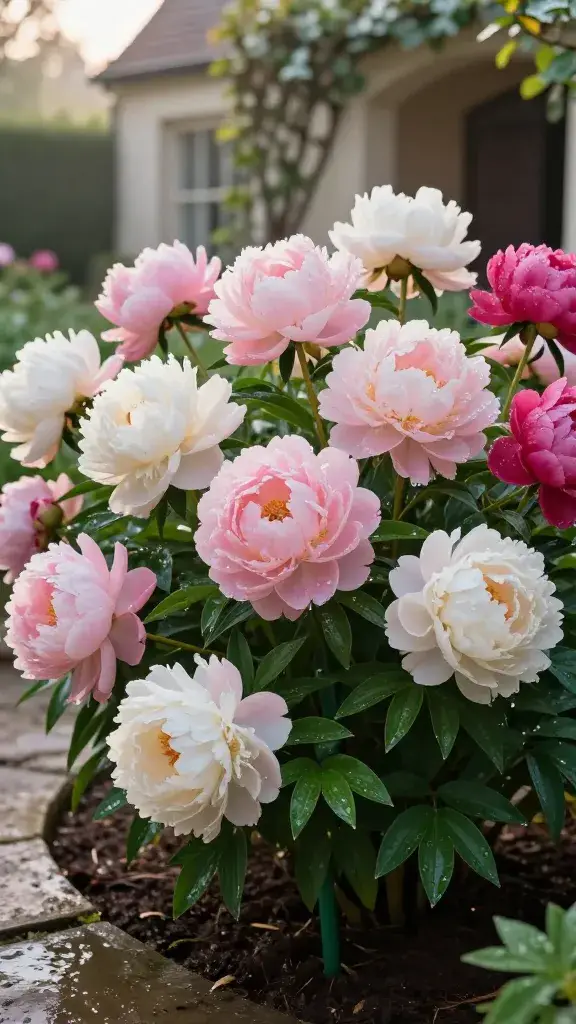
Peonies bring big, ruffled blooms that look like they cost a fortune. They smell amazing and return bigger and better each year. Give them patience their first season and they’ll reward you with show-stopping, wedding-worthy flowers.
Tips
- Plant eyes (buds) 1–2 inches below the soil—too deep and they’ll sulk.
- Full sun and well-drained soil keep stems sturdy and blooms plentiful.
- Stake early to support heavy flowers after rain.
Use peonies as a mid-spring centerpiece near paths or entrances—instant drama with zero divas after year one.
2. Daylilies That Bloom Like Clockwork
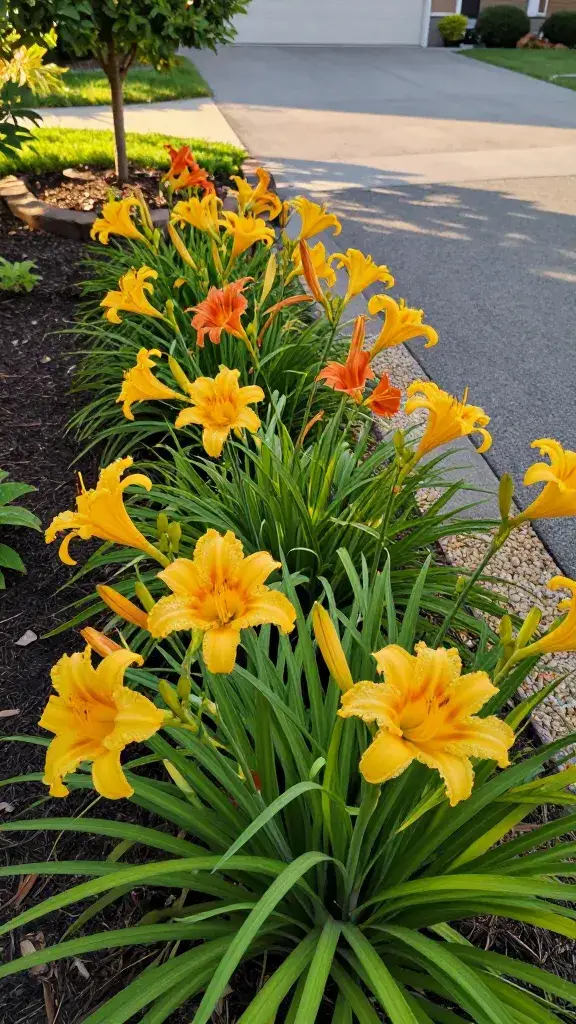
Daylilies are ridiculously reliable. Each flower lasts one day (hence the name), but the plant cranks out new blooms for weeks. You’ll get color with almost no work—perfect for busy gardeners.
Key Points
- Full sun to part shade works; they tolerate heat and poor soil.
- Divide clumps every 3–5 years to boost flowering.
- Choose reblooming varieties (like ‘Stella de Oro’) for extended color.
Plant along borders or driveways for an easy, cheerful ribbon of color that returns without fuss.
3. Coneflowers That Attract All The Good Vibes
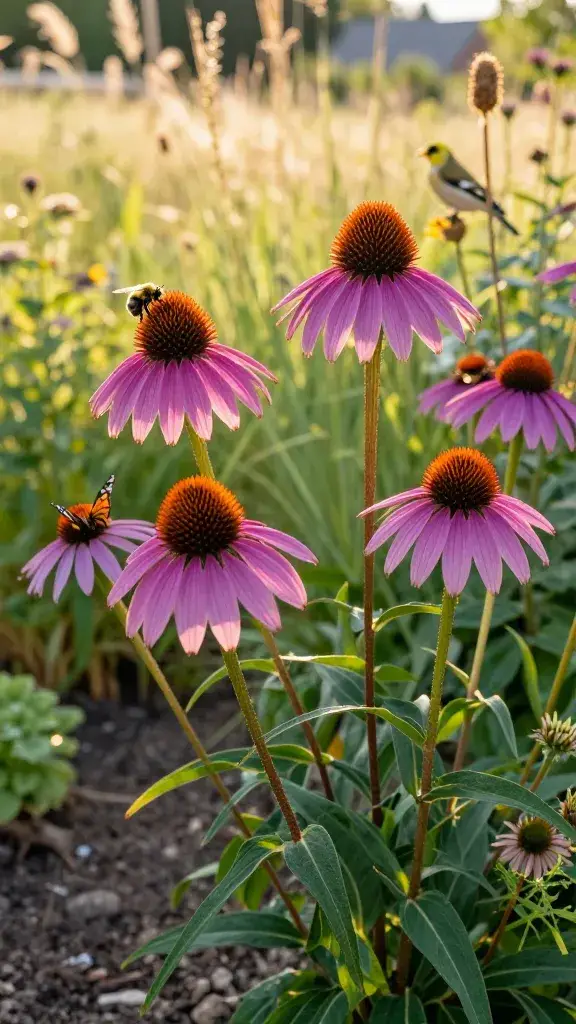
Coneflowers (Echinacea) bring pollinators, seed-snacking birds, and bold color. They handle heat, drought, and questionable soil with a shrug. Plus, the seedheads look cool in winter—garden decor for free.
Why They’re Awesome
- Full sun equals best blooms, but light shade still works.
- Cut back in midsummer to encourage branching and more flowers.
- Leave seedheads up for finches and winter texture.
Sprinkle them through cottage gardens or prairie-style beds for movement, wildlife, and that wild-but-intentional look.
4. Black-Eyed Susans That Never Quit
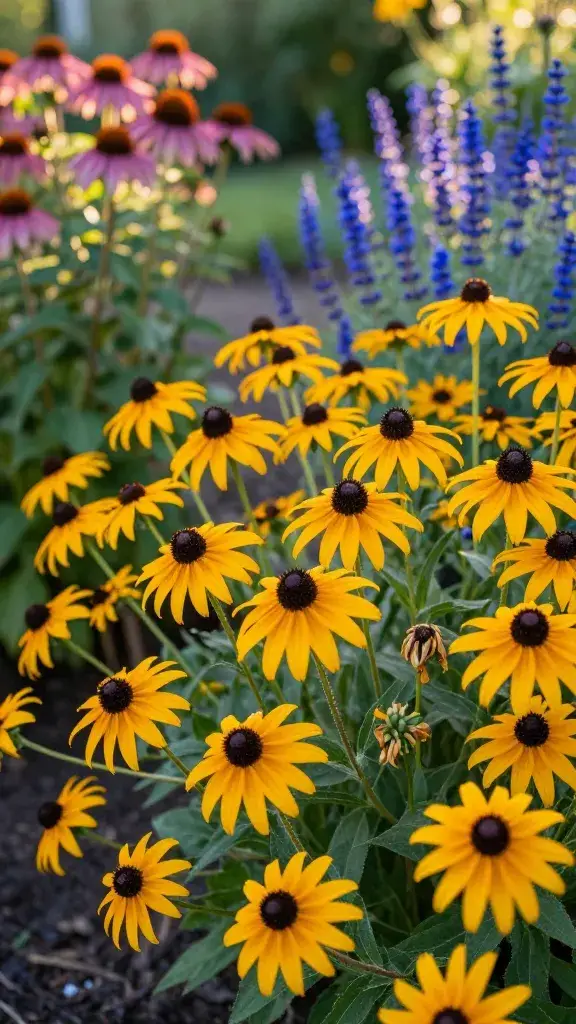
Black-eyed Susans (Rudbeckia) deliver golden daisy-like blooms from midsummer to fall. They handle heat and look sunny even when you forget to water. They also play well with purples and blues—instant color story.
Quick Care
- Full sun is best; they’ll still bloom in light shade.
- Deadhead spent flowers for weeks of color.
- Self-seed lightly—pull extras or let them naturalize.
Use them in mass plantings for that sunflower-adjacent glow without the one-and-done drama.
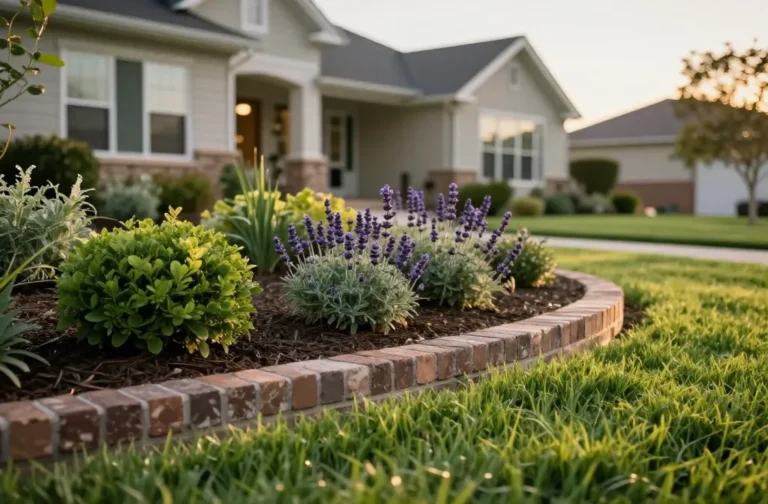
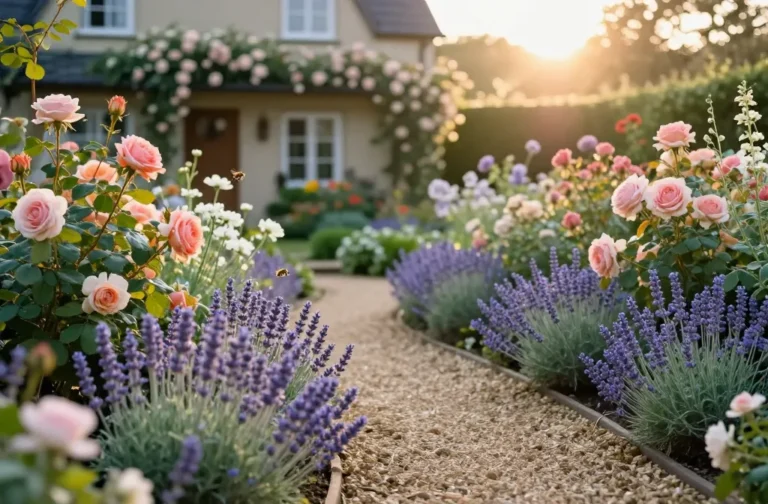
5. Lavender That Smells Like Vacation
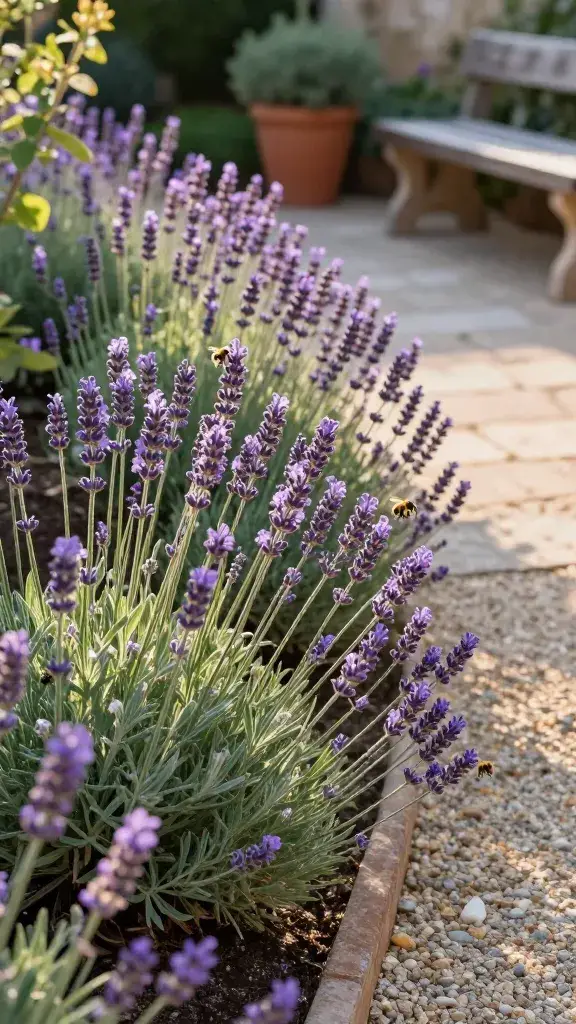
Lavender brings soft purple spikes, silvery foliage, and a scent that says “I have my life together.” It thrives in lean, well-drained soil and full sun. You’ll get blooms for bouquets and calm vibes on demand.
Tips
- Plant in raised beds or gravelly soil—wet feet = sad lavender.
- Shear lightly after bloom to keep plants tidy and bushy.
- English types (Lavandula angustifolia) handle cold better; Spanish types love heat.
Line paths or patios with lavender for a sensory runway that bees and guests adore.
6. Hostas For Luxe Shade Layers
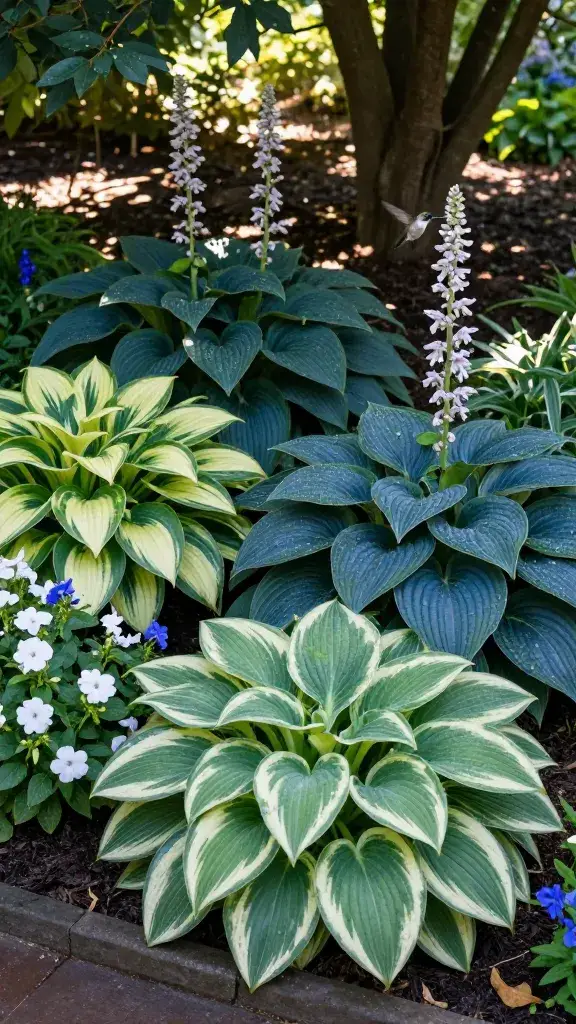
Got shade? Hostas bring luscious foliage in every green, blue, and variegated combo you can imagine. They create instant depth and texture, and their summer blooms lure hummingbirds.
Key Points
- Thrives in partial to full shade; consistent moisture = happy leaves.
- Slug issues? Use iron phosphate bait or crushed eggshell barriers.
- Mix sizes (mini to giant) for layered, designer vibes.
Perfect for shady borders under trees or as a cool-toned foil for colorful annuals.
7. Salvia That Brings The Buzz
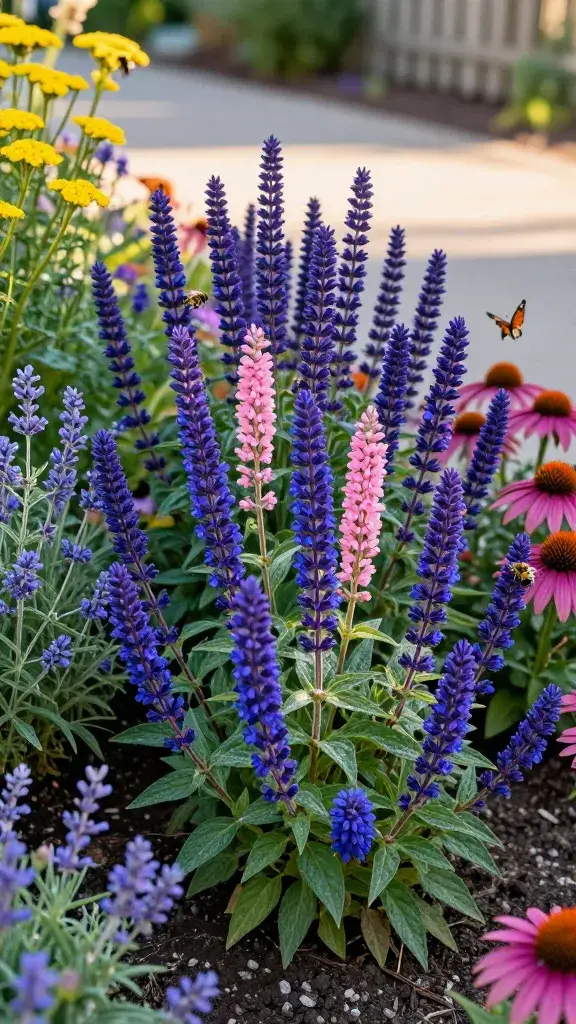
Salvia pumps out spikes of purple, blue, or pink that pollinators swarm. It reblooms if you give it a quick haircut after the first flush. It also tolerates drought, which your water bill appreciates.
How To Win
- Full sun and well-drained soil are non-negotiable.
- Shear by one-third after bloom for round two.
- Pair with yarrow, catmint, or coneflower for a high-contrast pollinator bar.
Use salvia as a rhythm-setter along borders—those vertical spikes add structure and energy.
8. Bleeding Hearts For Fairytale Spring
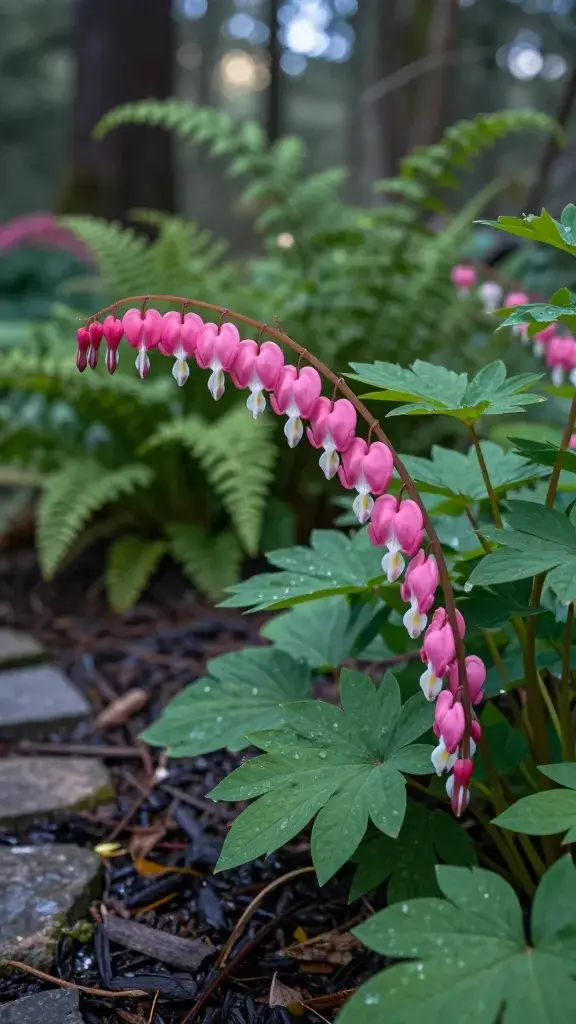
Bleeding hearts (Dicentra) look delicate with their heart-shaped blossoms, but they come back strong every spring. They love cool weather, then go dormant when heat hits—no, they’re not dead, they’re just introverts.
Good To Know
- Plant in partial shade with rich, moist soil.
- Mix with ferns and hostas to fill space after dormancy.
- Old-fashioned pink and white types are classics; fringed varieties bloom longer.
Pop them near paths so you can admire the arching stems up close during their magical spring show.
9. Catmint That Won’t Quit Blooming
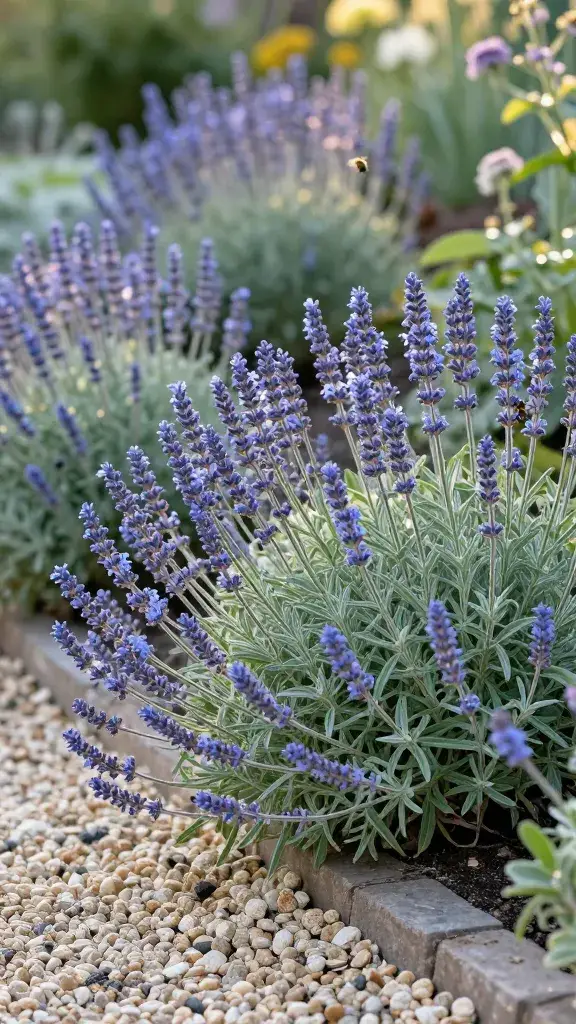
Catmint (Nepeta) is the cool cousin of lavender—softer, longer-blooming, and wildly tough. It forms fountains of blue-lavender flowers from late spring to frost. Bees love it, deer ignore it—win-win.
Care Cheat Sheet
- Full sun, well-drained soil, and occasional shearing for nonstop blooms.
- Cut back by half after the first flush to refresh and rebloom.
- Varieties like ‘Walker’s Low’ stay tidy and reliable.
Use along edging or in gravel gardens for that effortless, breezy look that screams summer.
10. Hellebores For Winter Bragging Rights
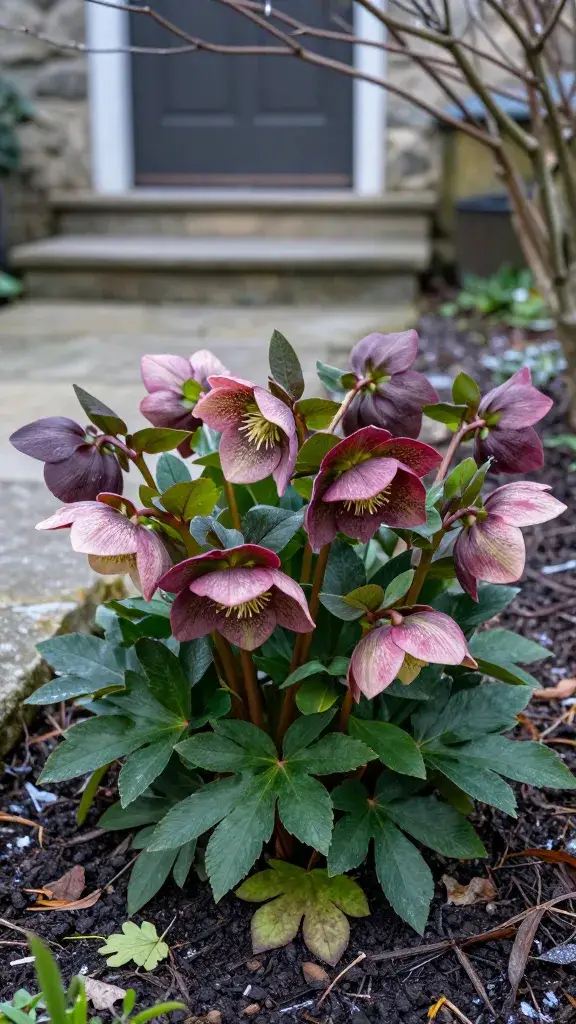
Hellebores (Lenten roses) bloom when almost nothing else dares—late winter into early spring. Their nodding flowers and evergreen foliage make them total shade-garden royalty. They thrive for decades with minimal drama.
Pro Moves
- Plant in partial to full shade with well-drained, humus-rich soil.
- Cut back old leaves in late winter to showcase new blooms.
- Colors range from moody maroons to speckled creams—collect them, you’ll want more.
Ideal near entryways and patios where you can flex those early blooms when everything else sleeps.
11. Shasta Daisies That Bring Pure Happy
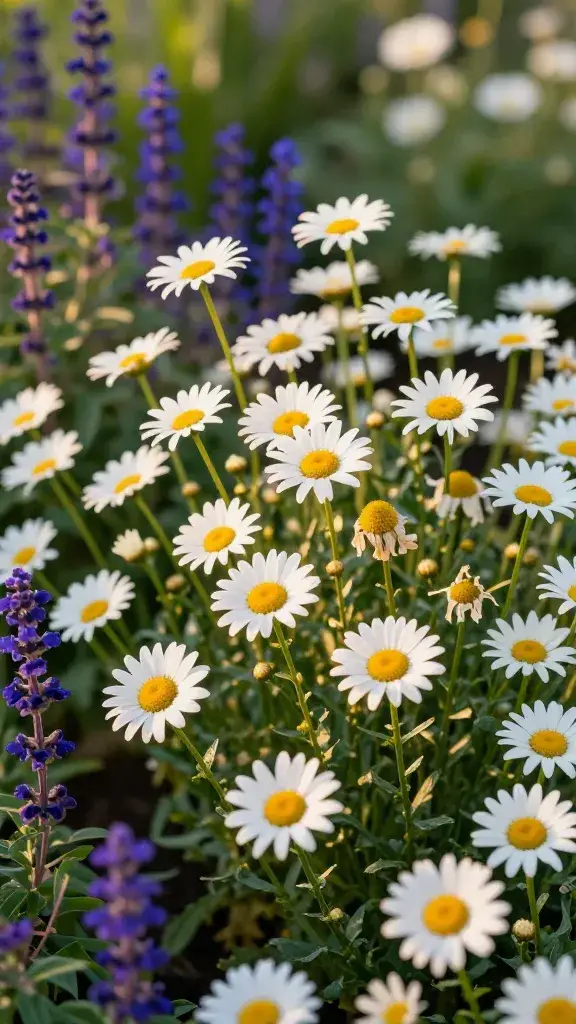
Shasta daisies are cheerful, classic, and easy. They bloom in mid to late summer, filling gaps when spring flowers fade. Their crisp white petals make color combos pop.
Keep Them Thriving
- Full sun and average soil—don’t overdo fertilizer or they flop.
- Deadhead and divide every few years to keep vigor up.
- Great for cut flowers—long-lasting and photogenic.
Plant in drifts for that meadow-chic vibe or mix with blues and purples for instant contrast.
12. Russian Sage For Airy, Dreamy Drama
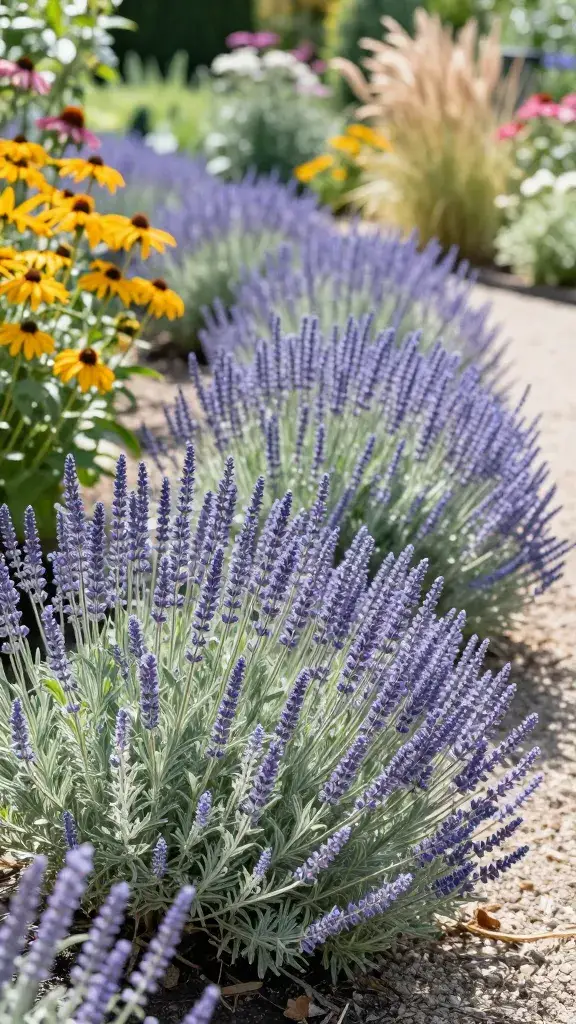
Russian sage (Perovskia) brings tall, airy wands of lavender-blue flowers with silvery stems. It thrives in heat and poor soil and still looks elegant—like a supermodel who snacks. It adds movement and haze to borders.
Success Secrets
- Full sun and sharp drainage—think dry and bright.
- Cut back to about 12–18 inches in early spring to refresh growth.
- Pairs beautifully with rudbeckia, grasses, and coneflowers.
Use as a backdrop for bolder blooms or line long beds for a soft, shimmery horizon. FYI, it photographs like a dream.
Ready to plant once and enjoy for years? Mix these perennials for nonstop color, texture, and pollinator traffic from late winter to fall. Start with a few favorites, then expand—your future self (and your garden) will thank you, seriously.
Share this content: