10 Vegetables That Grow Well in Shade Turn Dark Corners Delicious
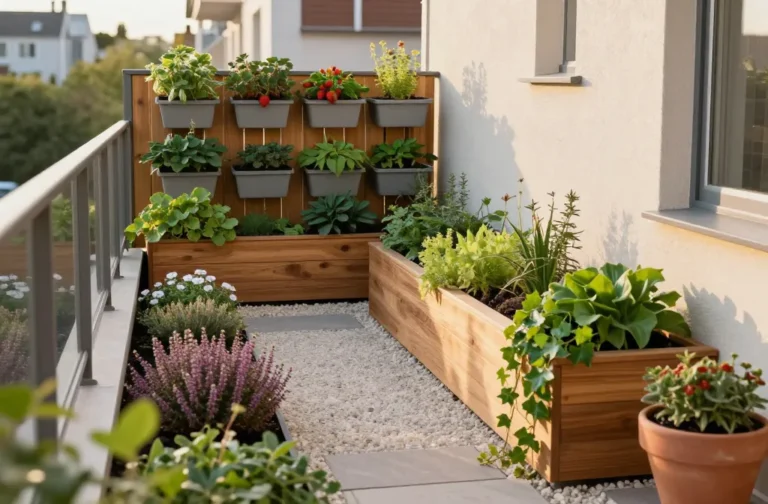
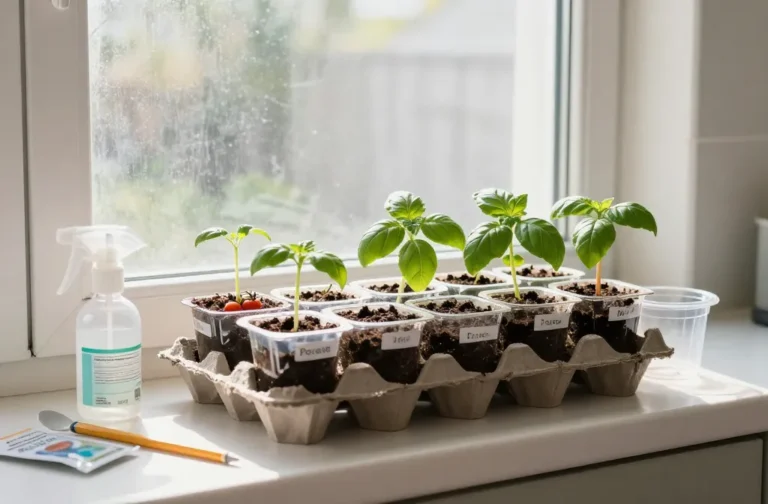
Got a shady yard and zero patience for sun-worshipping divas? Good news: tons of veggies love the cool, dappled life. You don’t need full sun to harvest crisp salads, crunchy roots, and lush greens. Stick these shade-tolerant champs in those tricky corners and watch your garden flex—quietly, but powerfully.
We’re talking reliable growers, quick harvests, and surprisingly bold flavors. Ready to turn that gloomy nook into a snack factory? Let’s plant smart and reap big.
1. Leafy Lettuce Legends
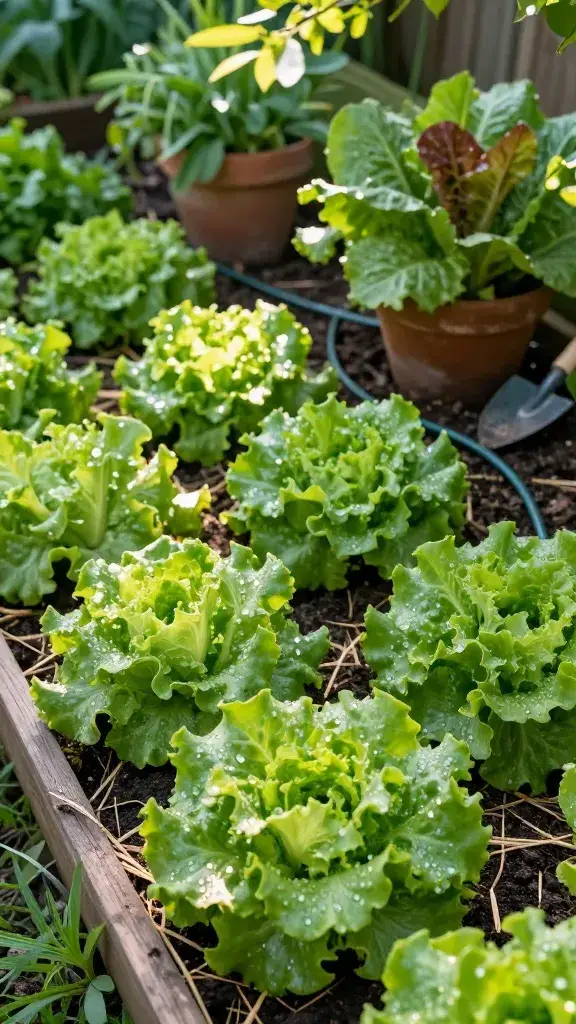
Lettuce adores partial shade because cooler temps keep it sweet and tender. Sun can make it bitter and bolt fast, but shade slows that drama. You’ll get more harvests and crisper leaves—no sad salads here.
Tips For Lettuce That Slaps
- Light: 3–4 hours of morning sun or bright dappled shade.
- Varieties: Looseleaf, butterhead, and romaine handle shade best.
- Spacing: 6–8 inches apart; sow successions every 2–3 weeks.
- Water: Keep evenly moist; mulch to lock in moisture.
Grow in containers or beds for easy cut-and-come-again harvests. Perfect for quick wins and nonstop sandwich upgrades.
2. Spinach That Refuses To Quit
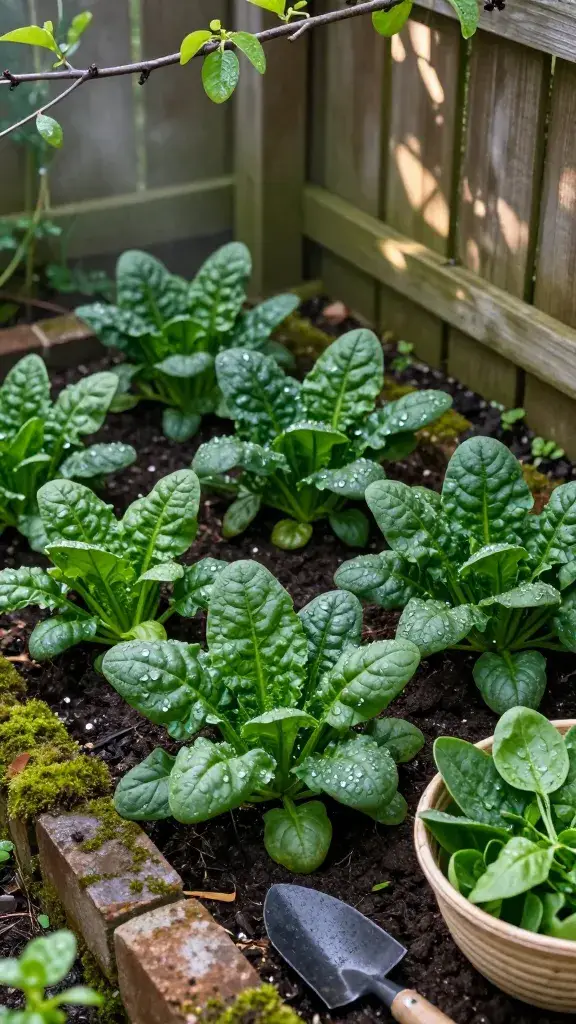
Spinach thrives in cool, shady plots where it won’t bolt at the first warm whisper. It packs flavor and nutrition even with limited sun. Plus, you can harvest baby leaves in no time.
Quick Wins
- Light: 2–4 hours of sun; more shade in late spring.
- Soil: Rich, well-drained; add compost for tender leaves.
- Varieties: ‘Bloomsdale’, ‘Tyee’, ‘Space’ hold up well.
Use spinach in shady corners for spring and fall. You’ll get buttery greens for omelets, smoothies, and salads, fast.
3. Kale That Laughs At Low Light
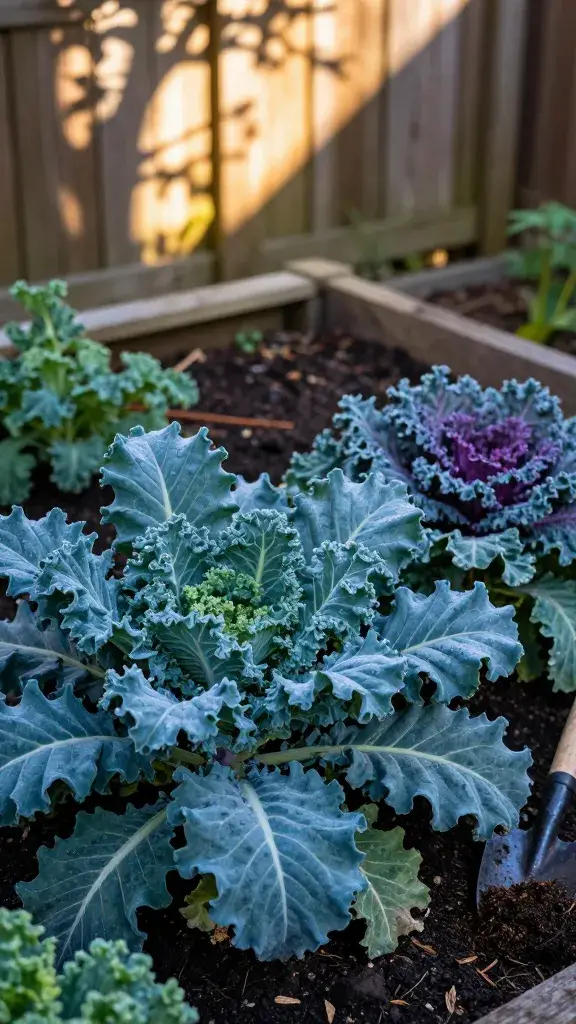
Kale is the unfussy hero of shade gardens. It grows steady, resists cold, and tastes sweeter after a chill. Even with less sun, it pumps out nutrient-dense leaves like a champ.
Pro Moves
- Light: 3–5 hours; afternoon shade prevents stress.
- Types: Lacinato (dino), curly, Red Russian all play nice.
- Feeding: Side-dress with compost mid-season for steady growth.
Great for constant harvesting—snip outer leaves and keep the plant going for months. IMO, it’s the MVP for beginners.
4. Arugula With That Peppery Punch
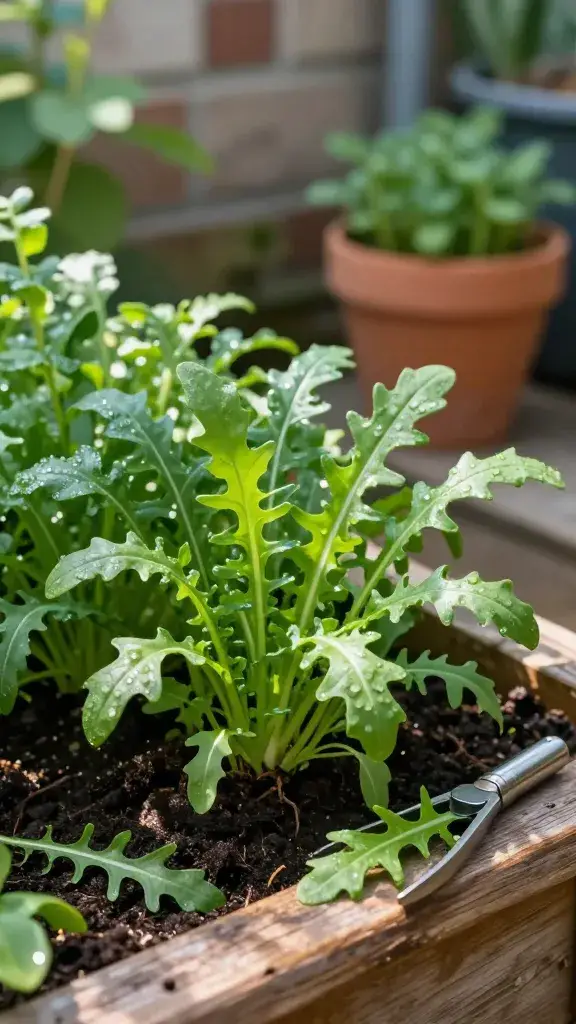
Arugula tastes best in cooler, shadier spots where it stays tender and not too spicy. Shade stretches your harvest window before flowering kicks in. It’s fast, reliable, and addictive in salads and pizzas.
Dial It In
- Light: 2–4 hours; morning sun is ideal.
- Sowing: Broadcast thinly and snip as baby greens.
- Water: Steady moisture = less bitterness, better texture.
Perfect for quick, small-space harvests. Plant often, harvest often, live your best salad life.
5. Swiss Chard, The Showy Workhorse
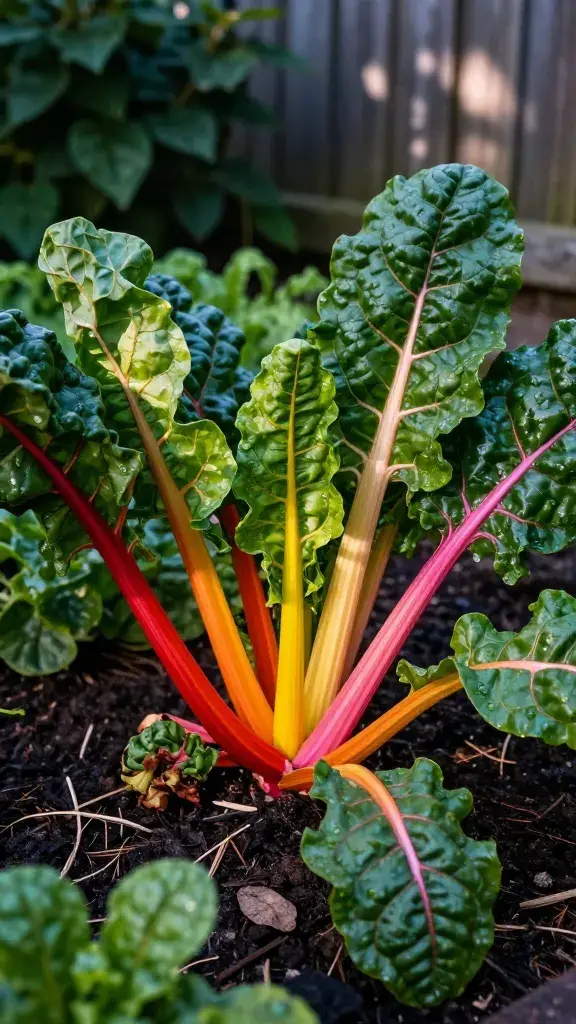
Swiss chard brings color and resilience to low-light beds. Those neon stems? Garden jewelry. Shade keeps it soft and prevents summer sulks, so you get long, generous harvests.
Grower Notes
- Light: 3–5 hours; heat protection with afternoon shade.
- Varieties: ‘Bright Lights’, ‘Rainbow’, ‘Fordhook Giant’.
- Harvest: Cut outer leaves; plant keeps producing.
Use chard where you want beauty and bounty. It shines in soups, sautés, and egg dishes, and it forgives forgetful gardeners—seriously.
6. Scallions And Green Onions For The Win
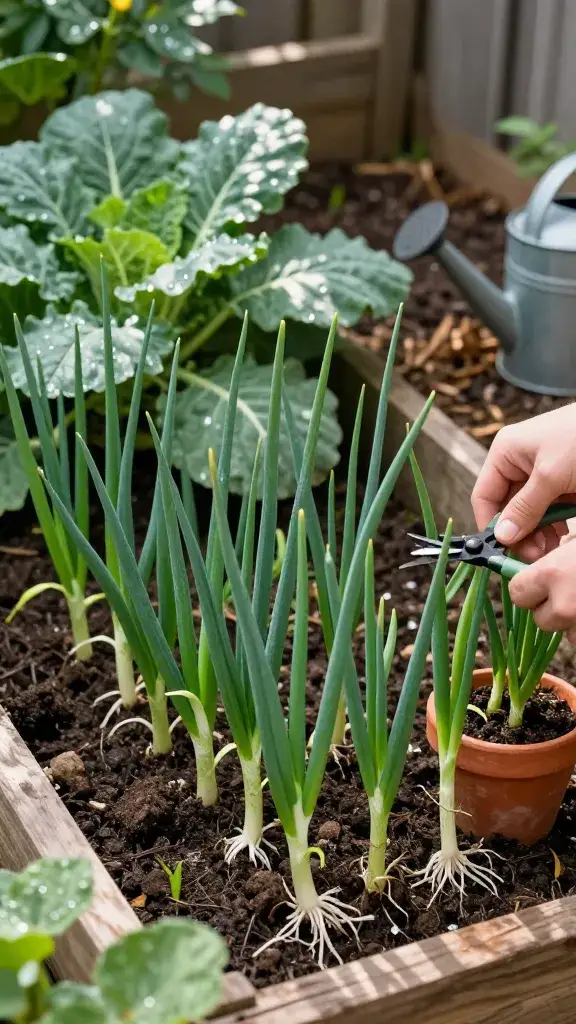
Need a steady supply of mild onion flavor? Scallions don’t mind shade and stay slender and tender. They squeeze into any gap and grow fast from seed or sets.
Easy-Peasy Plan
- Light: 3–4 hours or bright indirect light.
- Planting: Sow thickly; harvest thinnings for immediate use.
- Soil: Well-drained with compost; avoid soggy roots.
Great for containers, borders, or between slower crops. You’ll snip fresh garnish on demand all season.
7. Radishes That Actually Behave
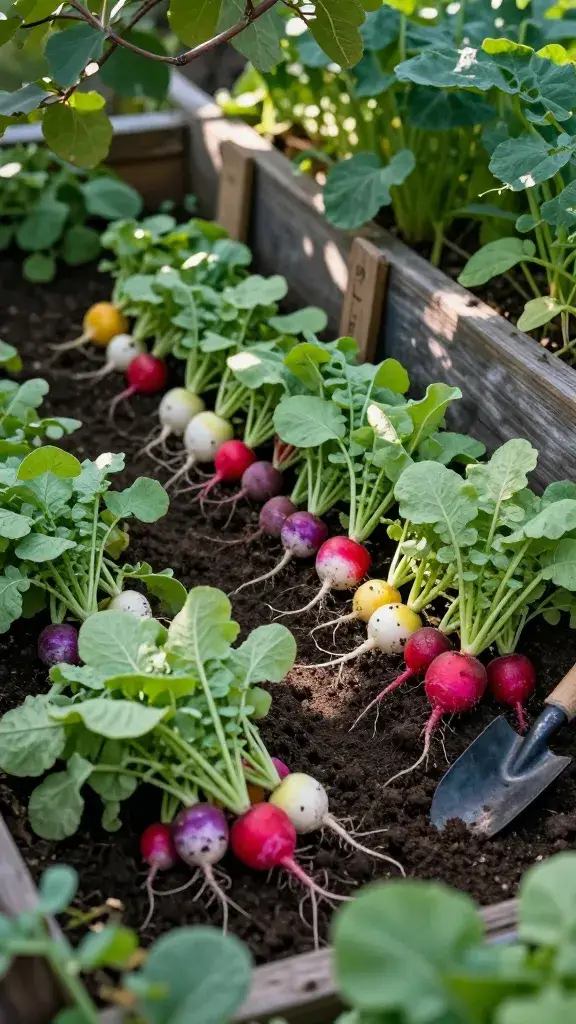
Radishes in shade? Yep. Cooler, lower-light spots slow bolting and keep roots crisp instead of spicy sponges. Plus they mature fast—like, weeks fast.
Get Crisp Crunch
- Light: 3–4 hours; avoid hot afternoon sun.
- Varieties: ‘Cherry Belle’, ‘French Breakfast’, ‘Easter Egg’.
- Timing: Spring and fall shine; summer in shade only.
Use radishes to mark rows and fill gaps. Slice them for tacos or roast them if you want a mellow vibe—trust me, it slaps.
8. Beets That Bulk Up In The Background
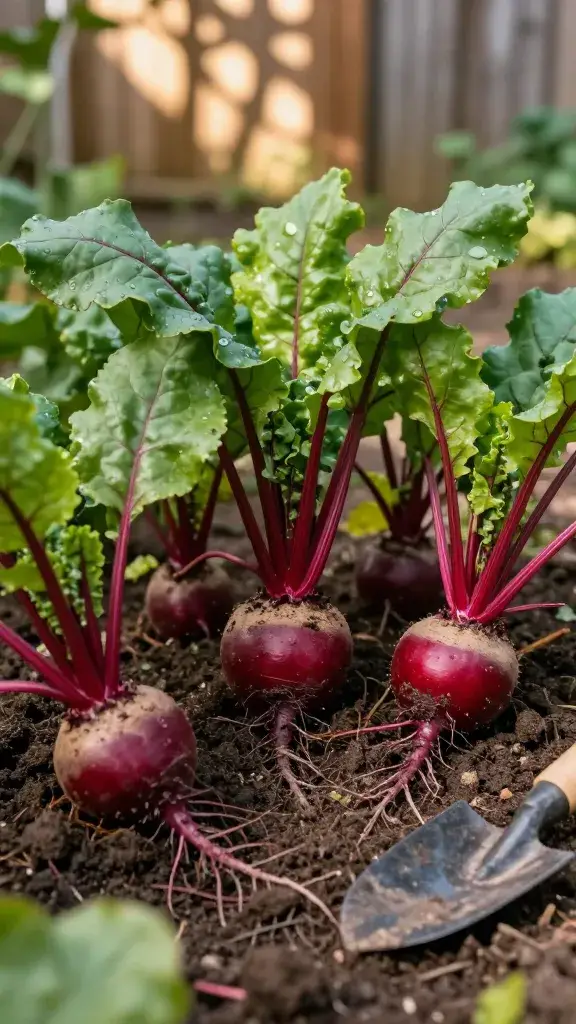
Beets grow slower in shade, but they still form beautiful roots and lush greens. The bonus? Leaves stay tender and less bitter. You get two crops in one plant—greens and bulbs.
Root Rules
- Light: 3–5 hours; dappled shade works.
- Soil: Loose, stone-free, and fertile for round roots.
- Thinning: Essential—3 inches apart to size up.
Great for beds with tree cover or along fences. Harvest baby beets early or let a few go big for roasting magic.
9. Peas That Keep Their Cool
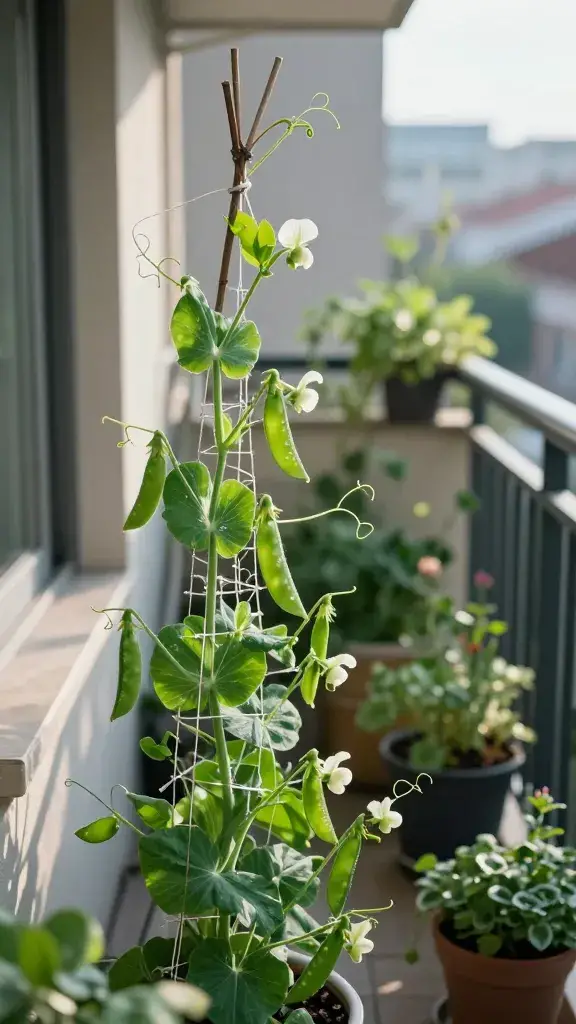
Peas prefer cool temps and don’t need blazing sun to produce sweet pods. Shade keeps vines happy longer into late spring or early summer. Bonus: vertical trellises make them tidy and adorable.
Climb Smart
- Light: 3–5 hours; morning sun, afternoon shade is chef’s kiss.
- Types: Snow and sugar snap peas do great with less sun.
- Support: Netting, strings, or a simple twig teepee.
Ideal for narrow beds, balconies, or shadier edges. Snack straight off the vine—you’ll never look at store peas the same way.
10. Herbs That Love The Chill: Parsley, Cilantro, Mint
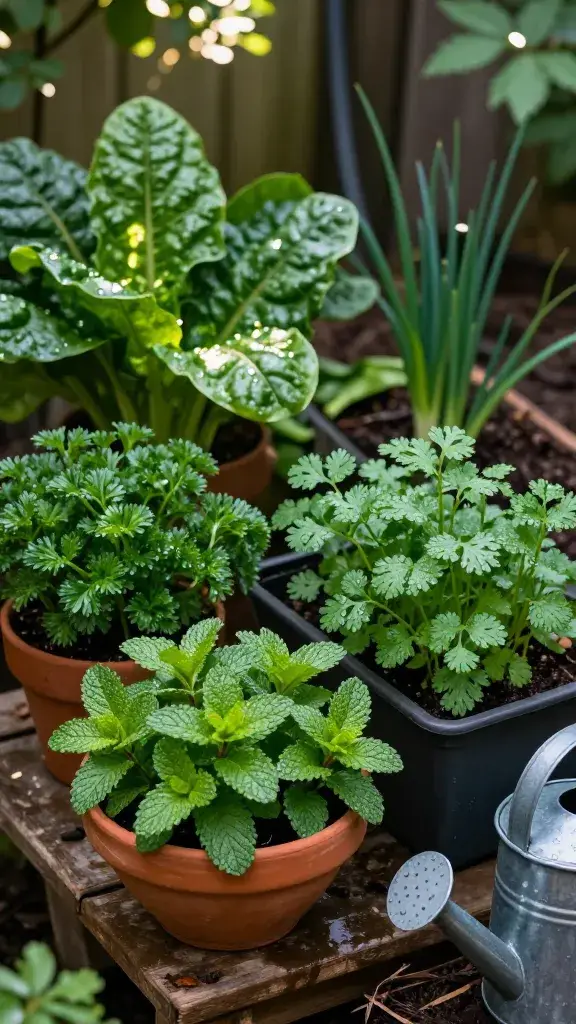
Not all herbs demand full sun. Parsley and cilantro grow beautifully in partial shade, and mint practically throws a party there. Flavor stays bright, leaves stay tender, and bolting slows down.
Herb Game Plan
- Light: 3–5 hours; dappled shade extends harvest.
- Containers: Especially for mint—contain that beast.
- Water: Keep evenly moist; shade reduces wilting.
Use shady spots for a low-maintenance herb bar. You’ll always have garnish-level freshness for sauces, salads, and drinks—mojito night, anyone?
Bonus Shade-Garden Playbook (Because I Like You)
Want to squeeze even more from your shady space? A few smart tweaks turn “meh” corners into produce machines. Think soil, timing, and a little light hacking.
Key Moves
- Pick The Right Shade: Aim for bright, dappled light or morning sun with afternoon shade.
- Enrich The Soil: Add compost—shade slows growth, so feed the soil to compensate.
- Mulch: Keep moisture steady and weeds down.
- Space Wisely: Slightly wider spacing improves airflow and reduces disease.
- Rotate Crops: Even in small spaces, change beds seasonally to avoid pests.
- Reflect Light: Use light-colored walls, reflective mulch, or pale containers to bounce light.
- Water Timing: Mornings only; shade + wet leaves = fungal party you didn’t invite.
These tweaks turn low-light beds into reliable producers, even when the rest of the yard hogs the sun.
Simple Shade-Friendly Combos
Want lazy-gardener success? Pair plants with similar needs and harvest times. You’ll use space better and get prettier beds—form meets function.
Plug-And-Play Ideas
- Salad Row: Lettuce + arugula + scallions for quick pickings.
- Hearty Greens Bed: Kale + Swiss chard with parsley tucked in.
- Root & Leaf Mix: Radishes as a quick crop, beets for later, cilantro between them.
- Vertical Snack Zone: Peas on a trellis with spinach at the base.
These mixes spread risk and keep harvests rolling. Fewer bare spots, more bites—easy math.
When Shade Goes Too Far
Total darkness? Plants won’t love that, obviously. But you can still stack the deck with a few tricks when light gets scarce.
Rescue Tactics
- Prune Overhangs: Thin tree branches to boost dappled light.
- Use Containers: Move pots to chase sun patches seasonally.
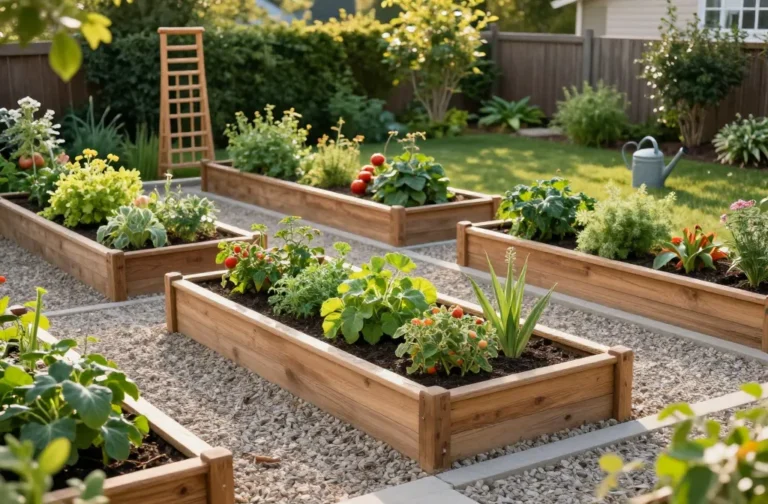
- Try Raised Beds: Warmer soil, better drainage, more control.
- Time It Right: Plant cool crops in spring and fall when low light hurts less.
If you can read a book comfortably in that spot, you can probably grow one of these crops. If not, go with mushrooms or houseplants and call it a day—no shame.
Harvest Like A Pro
Shade crops reward frequent picking. The more you harvest, the more they push new growth. Skip a week and things can get lanky and bitter—don’t ghost your greens.
Quick Harvest Cues
- Lettuce/Spinach/Arugula: Snip outer leaves when 3–5 inches.
- Kale/Chard: Take lower leaves; leave the crown intact.
- Scallions: Pull at pencil-thick or cut above the white to regrow.
- Radishes/Beets: Check size early; harvest on the small side for best flavor.
- Peas: Pick often to keep vines producing.
- Herbs: Trim regularly to prevent flowering (especially cilantro).
Frequent harvests keep flavors fresh and textures tender. Your fridge will thank you—and so will your taste buds.
Shade Garden Myths, Busted
Let’s clear the air. Shade doesn’t mean sad, flavorless greens or zero harvests. You just play a different strategy.
- Myth: “Vegetables need 6–8 hours of sun, period.” Reality: Leafy and some root crops thrive with 2–5 hours or bright indirect light.
- Myth: “Shade equals soggy soil.” Reality: Well-drained beds with mulch handle moisture just fine.
- Myth: “Bugs love shade beds.” Reality: Good airflow, clean edges, and crop rotation keep pests in check.
Once you dial in the right crops and timing, your shade garden stops being plan B and becomes the secret weapon.
Season Extensions For Extra Wins
Shade already keeps things cool, so lean into that. Stretch spring and fall harvests with simple gear and smart timing.
Low-Effort Boosters
- Row Covers: Protect from chill and pests without cooking plants.
- Cold Frames: Great for lettuce and spinach near winter.
- Succession Planting: Sow small batches every 2–3 weeks.
- Overwinter Greens: Kale and parsley can ride out light frosts like pros.
These tweaks make shady beds produce while sunny beds take a heat nap. More food, less fuss—win-win.
Final Prep Checklist
Before you sprint to the garden, do a two-minute sanity check. It prevents 90% of sad-plant drama.
- Test Light: Track sun for a day; note hours and intensity.
- Prep Soil: Add compost; loosen to at least 6–8 inches for roots.
- Plan Water: Drip or soaker hose saves time and leaves dry.
- Mix Crops: Pair fast (radish) with slow (beet), tall (peas) with low (spinach).
- Label Rows: Future you will forget. Future you will be mad.
With this setup, your shade garden starts strong and stays consistent. Fewer surprises, better harvests.
Wrap-Up: Your Shade, Your Superpower
Shade doesn’t sideline your garden—it refines it. Plant these 10 veggies, tweak a few habits, and you’ll pull crisp, gorgeous harvests from spots you thought were useless.
Start small, plant often, and taste the difference. Your shady corner is about to become the coolest part of your garden—literally and figuratively, FYI.
Share this content: