10 Best Vegetables to Grow in Raised Beds for a Bigger Harvest Fast
You want a garden that produces like crazy without back-breaking soil work? Raised beds deliver. They warm up faster, drain better, and let you control the soil so your plants actually thrive. And yes, you can cram a shocking amount of food into a small space—if you pick the right crops. Let’s talk about the 10 best vegetables that turn raised beds into harvest machines.
Why Raised Beds Rock for Bigger Harvests
Raised beds give you a cheat code for gardening success. You control the soil mix, so roots spread fast and deep. You also get better drainage, which plants love (waterlogged roots, not so much). Plus, you can plant tighter and harvest more per square foot—basically the gardening version of Tetris.
- Faster spring warm-up: Plant earlier and extend your season.
- Fewer weeds: Start with clean soil and stay ahead.
- Easier access: No compacted soil from walking on it, and your back will thank you.
- Denser planting: Grow more in less space with smart spacing.
Soil Setup That Supercharges Growth
Great soil turns a good raised bed into a ridiculous one. You don’t need magic—just a productive blend that drains well and feeds consistently.
The Mix That Works
- 40% high-quality compost for nutrients and biology
- 40% aeration/structure like coconut coir or peat + coarse perlite
- 20% topsoil for minerals and stability
FYI: Toss in a slow-release organic fertilizer and a handful of worm castings at planting. IMO, that combo keeps plants happy for weeks.
Spacing Smarts
Plant a bit tighter than in-ground beds, but don’t overcrowd. Use grids or simple offsets. And think vertical—trellises = free space.
The 10 Best Vegetables for Raised Beds
Let’s get to the stars of the show. These crops love the deep, fluffy soil and tight spacing raised beds offer.
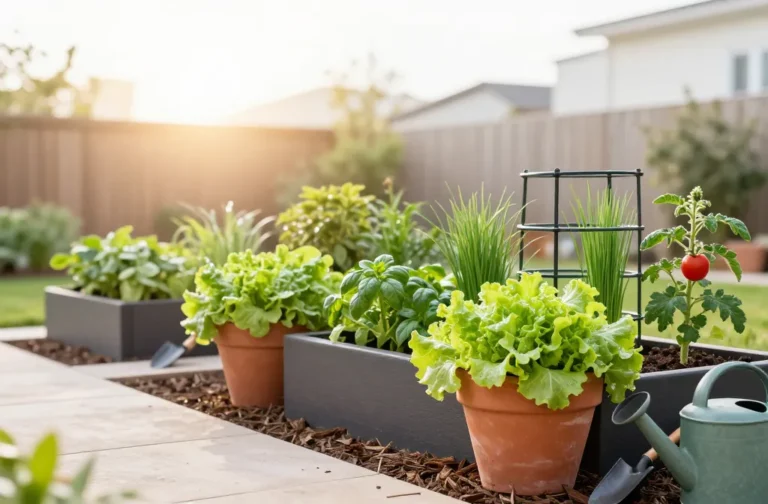
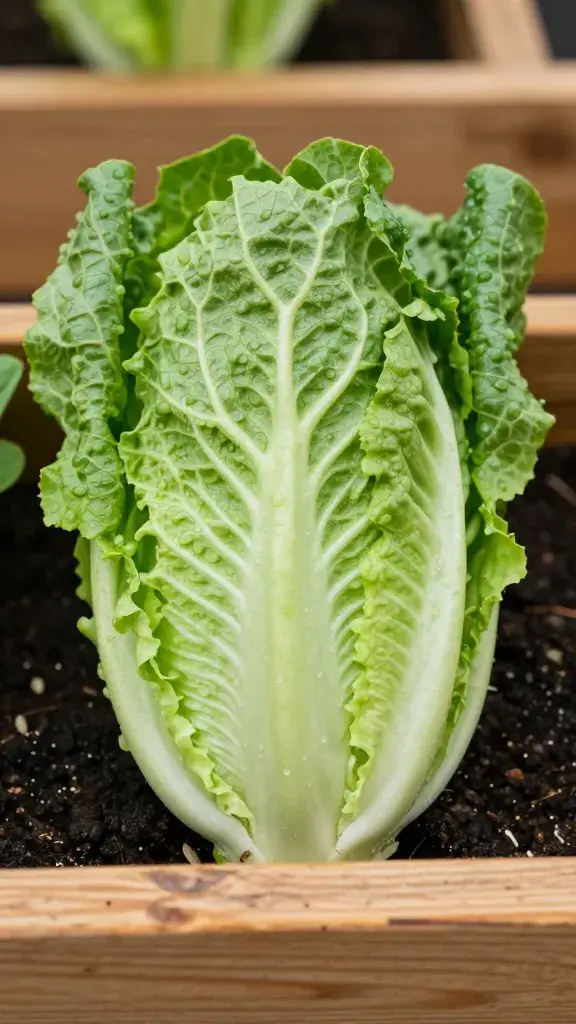
1) Leafy Greens (Lettuce, Spinach, Arugula)
They mature fast, don’t need tons of space, and taste better when grown in rich, well-drained soil. Harvest outer leaves frequently, and the plants keep producing. Want salad on speed dial? This is it.
- Spacing: 6–8 inches
- Trick: Succession plant every 2–3 weeks for continual harvests
2) Kale and Swiss Chard
These workhorses tolerate cooler temps and rebound fast after harvest. Raised beds keep the soil loose so roots spread and leaves pump out.
- Spacing: 12–18 inches
- Trick: Strip lower leaves; the plant grows taller like a mini palm tree
3) Radishes
If you want instant gratification, radishes deliver in 25–35 days. Raised beds prevent compaction, so roots stay round and crisp instead of weird and stringy.
- Spacing: 2 inches
- Trick: Interplant between slower crops like carrots or brassicas
4) Carrots
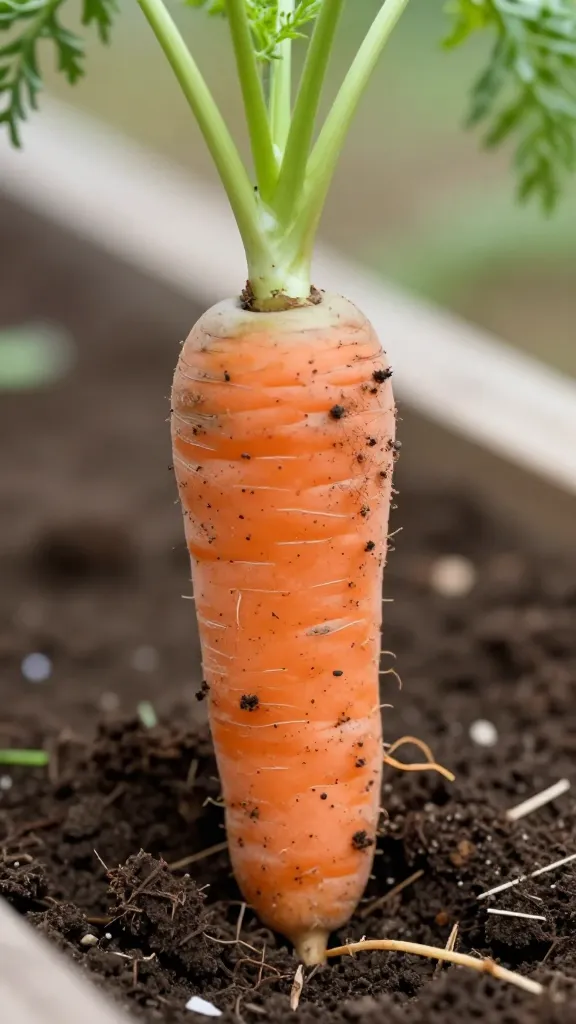
Loose soil = straight, sweet carrots. Raised beds eliminate the rocks and clods that cause forked roots.
- Spacing: Thin to 2 inches
- Trick: Keep the top inch of soil consistently moist until germination
5) Beets
Double win: roots and greens. Raised beds help bulbs size up evenly, and the greens sauté beautifully. You’ll feel smug, and rightly so.
- Spacing: Thin to 3–4 inches
- Trick: Sow heavy, then thin by snipping for baby greens
6) Bush Beans
They don’t need trellising, they fix nitrogen, and they pump out beans for weeks. Plus, the tidy habit fits perfectly in bed edges.
- Spacing: 6 inches
- Trick: Succession plant every 3–4 weeks for a rolling harvest
7) Peas (Sugar Snap and Snow)
Cool-season champs that climb politely. Trellis them along the bed’s north side, and they won’t shade anyone else. Crisp, sweet, and snackable right there in the garden.
- Spacing: 2 inches along a trellis
- Trick: In hot climates, plant very early to dodge heat
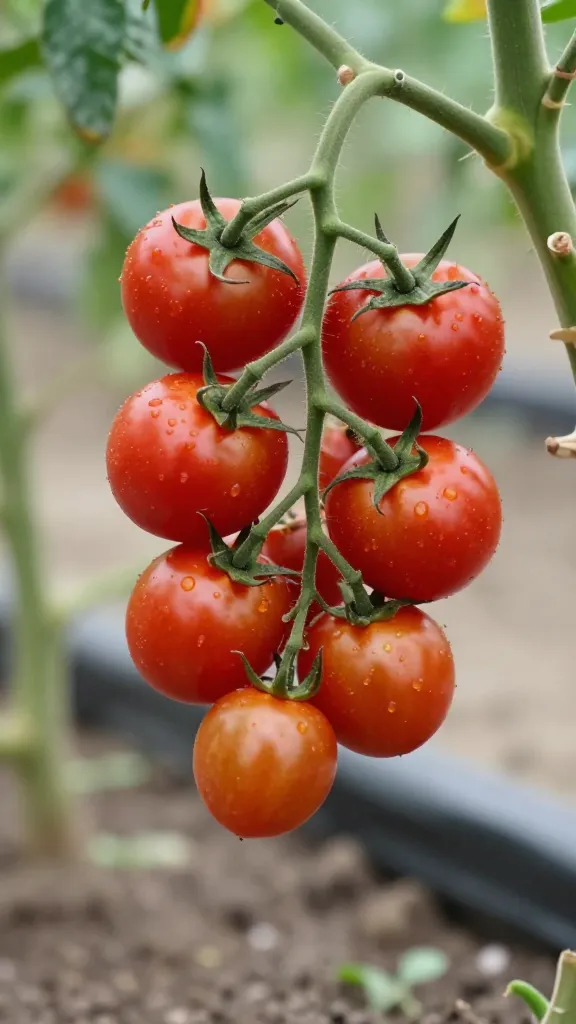
8) Tomatoes (Indeterminate or Determinate)
Raised beds drain fast, which tomatoes adore, and you can control fertility to avoid bland fruit. Give them sturdy support and the best sun you’ve got.
- Spacing: 18–24 inches
- Trick: Mulch deeply and prune for airflow to dodge disease
9) Cucumbers
Vining cukes on a trellis = massive yields in very little space. Fruit stays clean, straighter, and easier to pick. Your salads will cheer.
- Spacing: 12 inches along a trellis
- Trick: Feed with compost tea during flowering for heavier sets
10) Zucchini (Bush Varieties)
Yes, you can grow zucchini in raised beds without it taking over your life. Choose compact types, give them good airflow, and prepare for zucchini bread season.
- Spacing: 24–30 inches
- Trick: Hand-pollinate early flowers if bees seem lazy
Design Your Bed for Maximum Yield
A little planning turns a good harvest into a great one. Think layers, like a veggie lasagna.
Plant in Zones
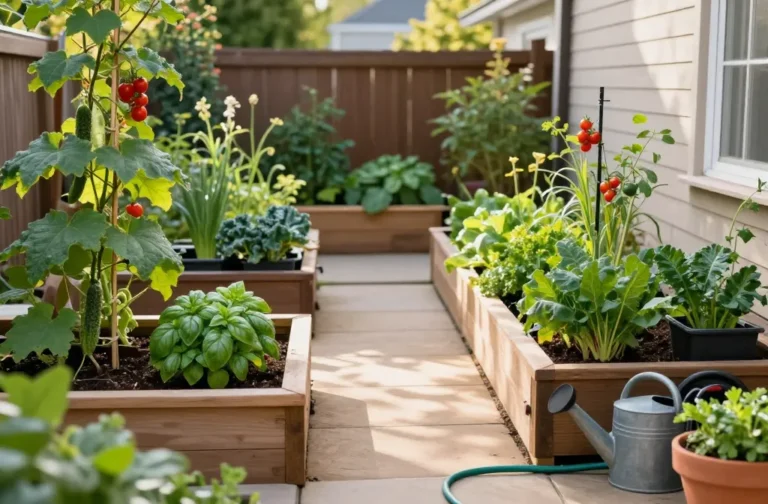
– North side: Tall crops on supports (tomatoes, peas, cucumbers)
– Middle: Medium plants (kale, chard, bush beans)
– Front/edges: Low growers (lettuce, radishes, carrots, beets)
Use Succession and Interplanting
– Succession: Replant quick crops as soon as you harvest.
– Interplant: Radishes with carrots, lettuce under tomatoes early season, peas before summer crops.
Mulch and Water Right
– Mulch: 1–2 inches of shredded leaves or straw saves water and sanity.
– Irrigation: Drip lines under mulch = consistent moisture and fewer diseases.
– Water schedule: Deep, less frequent so roots chase water down.
Pest and Disease Hacks (Without Going Nuclear)
You don’t need to wage war; just be sneaky and consistent.
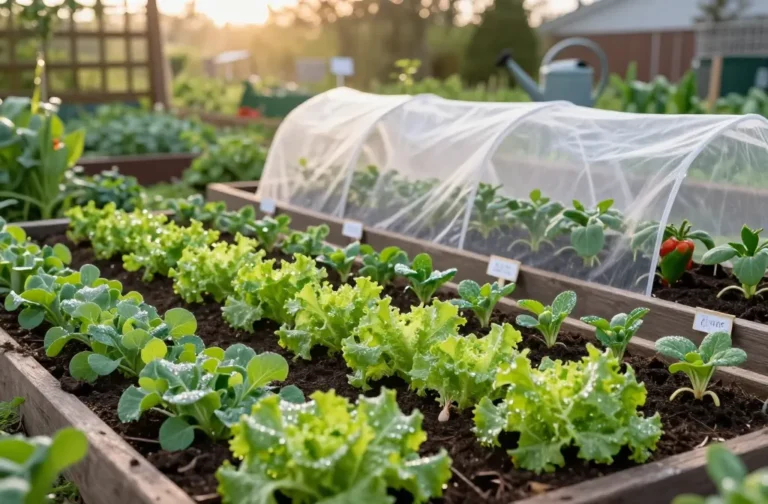
- Floating row covers: Keep flea beetles and cabbage moths off greens and brassicas.
- Neem or insecticidal soap: Quick knockdown for aphids—spray in the evening.
- Pruning + airflow: Especially for tomatoes and cukes to avoid blight and mildew.
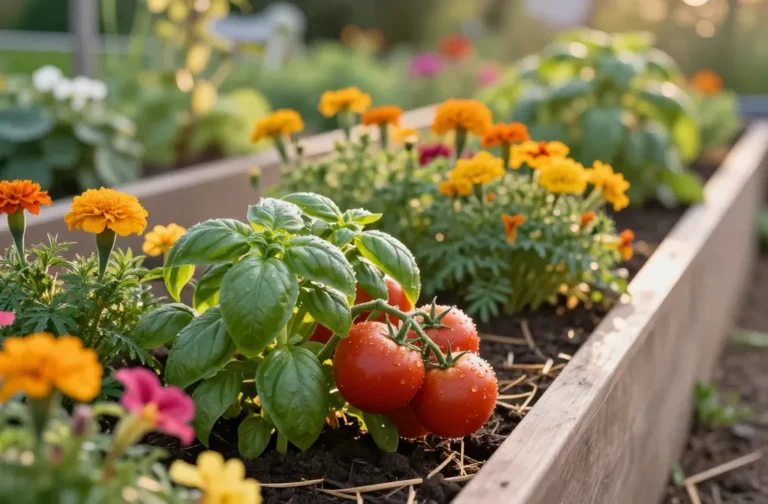
- Companions: Marigolds and basil around tomatoes, dill and alyssum to attract beneficials.
Fertilizing for Steady Growth
Vegetables eat. A lot. Raised beds leach nutrients faster, so feed on a rhythm.
- At planting: Compost + organic balanced fertilizer (like 4-4-4).
- Mid-season: Side-dress heavy feeders (tomatoes, cukes, zucchini) with compost.
- Liquid boosts: Fish/kelp or compost tea every 2–3 weeks during peak growth.
IMO, steady micro-doses beat big feast-or-famine feedings.
FAQ
How deep should a raised bed be for these vegetables?
Most of these crops thrive with 10–12 inches of soil, but deeper is better, especially for carrots and tomatoes. If you only have 8 inches, focus on greens, radishes, and bush beans. Deeper beds hold moisture more evenly and reduce stress during heat.
Can I reuse the same soil every year?
Yes, but refresh it. Add 1–2 inches of compost each season and rotate plant families to avoid disease build-up. If a bed had disease issues, skip related crops there next year and amend with fresh compost and a little biochar.
Do I need to line the bottom of a raised bed?
Not usually. If you have invasive weeds (or gophers), consider a hardware cloth layer. Avoid plastic liners that trap water—drainage matters more than trying to create a perfect barrier.
What’s the best way to trellis in a raised bed?
Use sturdy T-posts or EMT conduit at the bed’s corners with netting or wire between. Place trellises on the north side so you don’t shade shorter plants. For tomatoes, sturdy cages or a Florida weave works great in beds.
How often should I water raised beds?
Check daily in hot weather, water deeply 2–4 times a week depending on climate and mulch. Aim for consistent moisture, especially for carrots, cucumbers, and tomatoes. Dry–wet swings cause cracking and bitter flavors—no thanks.
Which varieties work best for small beds?
Look for words like “bush,” “compact,” or “dwarf.” Examples: bush beans, patio tomatoes, pickling cucumbers on a trellis, baby leaf lettuces, and round carrots like ‘Parisian’. Small plants, big flavor.
Wrap-Up: Pack Your Beds, Not Your Schedule
Raised beds make gardening simpler and more productive, and these 10 vegetables squeeze every inch for all it’s worth. Build rich soil, plant smart, go vertical, and harvest often. Keep it fun, keep it tidy, and your raised beds will pay you back in salads, stir-fries, and smug satisfaction all season long.
Share this content: