10 Beginner Vegetable Garden Ideas for a More Productive Backyard Today
You don’t need acres, a tractor, or a straw hat to grow a wildly productive veggie garden. You just need a plan, a few clever tricks, and the willingness to get a little dirt under your nails. Start small, keep it simple, and stack quick wins so you stay motivated. Ready to turn your backyard into a salad bar? Let’s dig in.
Start Small and Win Early
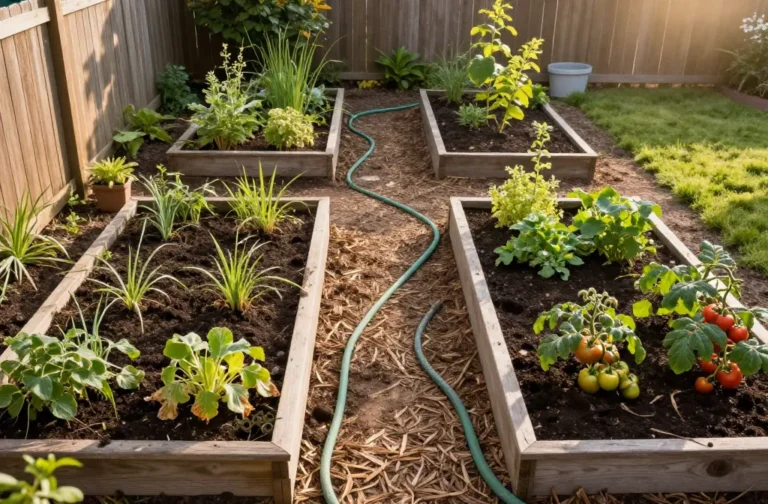
You don’t need a sprawling plot to grow real food. Begin with one or two raised beds or a few large containers. This lets you learn fast without getting overwhelmed (or weeding for six hours).
Good First Crops
- Salad greens: Lettuce, arugula, spinach. Fast, forgiving, and delicious.
- Herbs: Basil, parsley, chives. Big flavor, tiny effort.
- Bush beans: Productive and simple. No trellis drama.
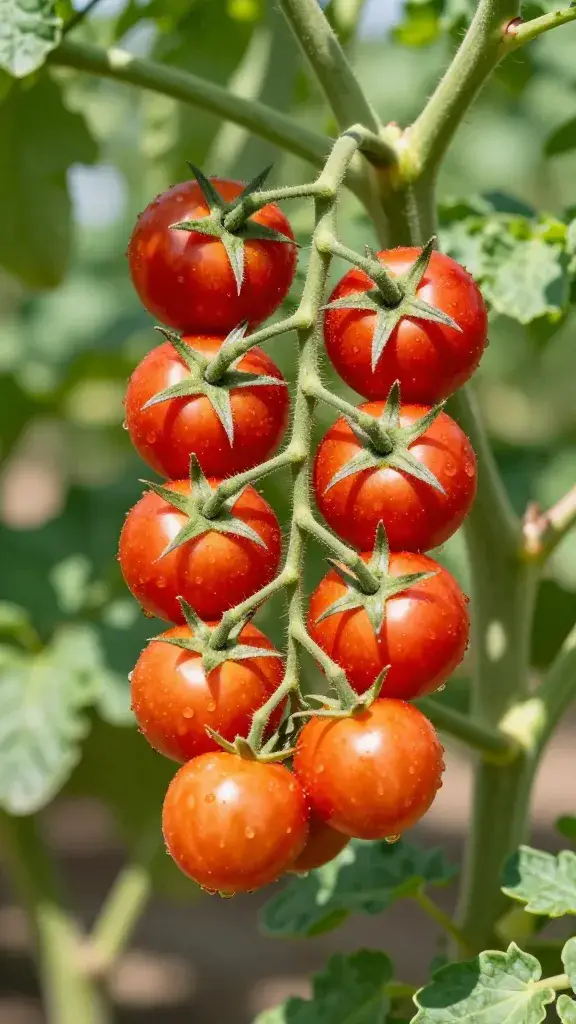
- Cherry tomatoes: Easier than big slicers and more reliable.
Goldilocks Bed Size
Aim for beds that are 4 ft wide max so you can reach the middle without stepping on the soil. Length? Whatever fits—8 or 10 feet works great.
Plant What You Actually Eat
This sounds obvious, yet people grow kohlrabi and then Google “what is kohlrabi.” List your top 10 veggies you buy weekly and choose from that. You’ll feel more motivated to care for plants you can’t wait to cook.
- If you eat salsa weekly: tomatoes, jalapeños, cilantro, onions.
- If you love salads: lettuce mix, cucumbers, cherry tomatoes, radishes.
- For pasta nights: basil, tomatoes, oregano, zucchini (yes, again).
Use Raised Beds or Big Containers
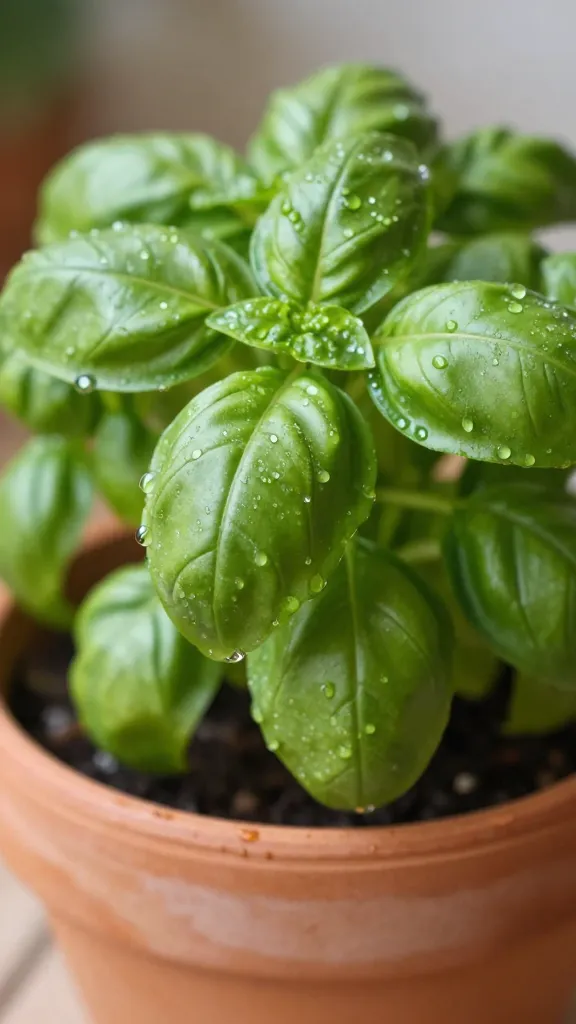
Raised beds and containers solve a lot of beginner headaches. They warm up faster, drain better, and start with clean soil—no mystery weeds or compacted clay.
Quick Build Tips
- Materials: Untreated pine or cedar for beds. Food-safe fabric grow bags for containers.
- Depth: 10–12 inches for most veggies. Deep roots like tomatoes appreciate 12–18.
- Soil mix: 1/3 compost, 1/3 high-quality topsoil, 1/3 coarse material (coconut coir or peat + perlite). Keep it fluffy.
- Mulch: Add 1–2 inches of shredded leaves or straw to lock in moisture and reduce weeds.
Go Vertical for Big Yields in Small Spaces
Vertical growing = more harvests in less space with fewer pests. Trellises, cages, and arches keep plants off the ground and easier to manage.
Best Vertical Candidates
- Cucumbers: Climb like champs and stay cleaner on a trellis.
- Pole beans and peas: Endless snacking with a simple net.
- Indeterminate tomatoes: Use sturdy stakes or cages and prune lightly.
- Squash (some varieties): Train smaller vining types up an arch or fence.
DIY Trellis Ideas
- T-posts + cattle panel for a bulletproof arch.
- Wood frame + nylon netting for peas and beans.
- String trellis from a top bar for tomatoes (cheap and neat).
Time It Right (AKA The Calendar Is Your Secret Weapon)
You can’t out-willpower your climate. Plant cool-season crops early and late, warm-season crops after danger of frost. Check your last and first frost dates (search your ZIP + “frost date calendar”).
Simple Planting Timeline
- Early spring: Peas, spinach, lettuce, radishes, kale.
- After last frost: Tomatoes, peppers, cucumbers, beans, squash.
- Late summer for fall harvests: More greens, carrots, beets, broccoli.
Pro tip: Stagger plantings every 2–3 weeks for a steady supply, not a lettuce avalanche. FYI, nobody wins when 14 heads of lettuce bolt on the same Tuesday.
Water Smart, Not Hard
Plants love consistency. You know what they hate? Drought-flood-drought cycles. Drip irrigation + mulch gives you even moisture and saves time.
Beginner Watering Rules
- Frequency: About 1 inch of water per week, more in heat waves.
- Method: Drip lines or soaker hoses under mulch. Less disease, less waste.
- Timing: Morning watering helps leaves dry and deters fungus.
If you must hand-water, use a watering wand at soil level. Avoid showering leaves like you’re hosting a tomato spa day.
Feed the Soil, Not Just the Plants
Great soil = great harvests. Compost, mulch, and gentle organic fertilizers keep your garden humming and your plants less needy.
Simple Fertility Plan
- At planting: Mix in compost and a balanced organic fertilizer (e.g., 4-4-4).
- Midseason boost: Side-dress heavy feeders (tomatoes, squash, peppers) with compost or a tomato-tone type fertilizer.
- Leafy greens: A little extra nitrogen from fish emulsion or alfalfa pellets works wonders.
Strong roots matter. Don’t till constantly—you’ll wreck soil structure and worm condos. IMO, no-dig beds save your back and your yields.
Mix Flowers and Herbs for Fewer Pests
Companion planting isn’t magic, but it helps. Flowers attract predators and pollinators, and some herbs confuse pests with strong scents.
Easy Companions
- Marigolds: Great around tomatoes and peppers.
- Nasturtiums: Trap aphids away from your stars.
- Dill and fennel: Bring in lacewings and ladybugs.
- Basil with tomatoes: Tastes good together, grows well together.
Skip chemical sprays unless you enjoy nuking your own beneficial insects. Hand-pick pests, use row covers, and keep plants healthy—prevention beats cure.
Plant for Continuous Harvests
Want a steady stream of veggies, not a one-and-done moment? Succession plant and choose cut-and-come-again varieties.
Quick Wins
- Greens: Harvest outer leaves and let the center keep growing.
- Radishes and baby carrots: Replant every 2–3 weeks through spring and fall.
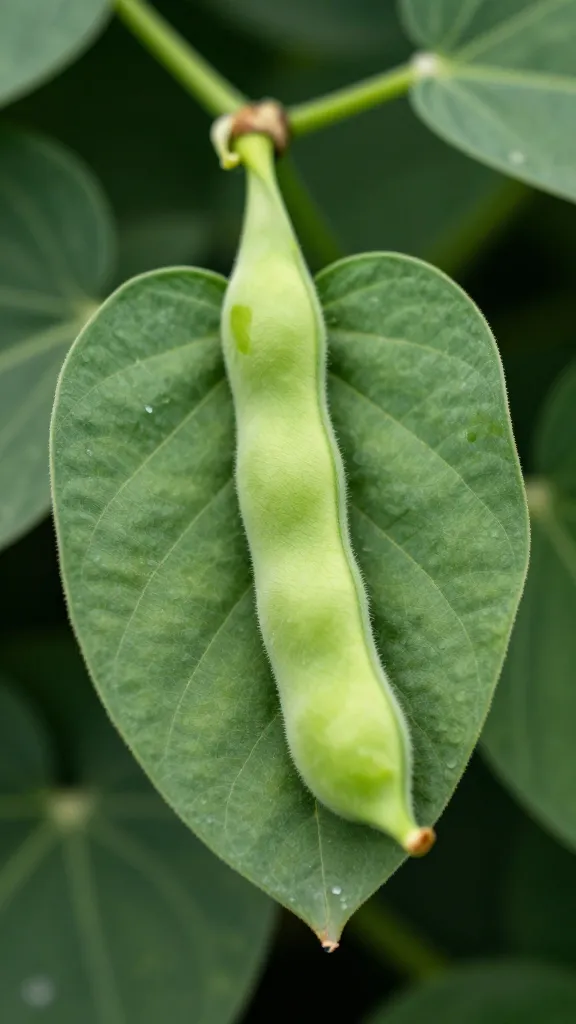
- Bush beans: Replant midseason for a second flush.
- Determinant vs. indeterminate tomatoes: Grow both to get early set harvests plus a long season of snacking.
Label, Track, and Learn (Your Future Self Will Thank You)
You think you’ll remember which tomato is which. You won’t. Label every plant and keep a simple garden log.
What to Track
- Planting dates and varieties.
- Fertilizing and pest notes.
- Wins, fails, and “never again” moments (looking at you, powdery mildew zucchini).
FYI, one season of notes = a massive boost in year two. Patterns pop fast.
FAQ
How many hours of sun do vegetables need?
Most veggies need 6–8 hours of direct sun daily. Fruit-heavy plants like tomatoes and peppers prefer the high end. Greens and herbs tolerate a bit less, but more sun usually means sweeter fruit and fewer issues.
Should I start seeds indoors or just buy seedlings?
If you’re new, buy seedlings for tomatoes, peppers, and eggplant to skip the tricky part. Direct-sow easy crops like beans, peas, radishes, and cucumbers. Once you feel confident, try starting a tray of your favorite tomato indoors—just one. IMO, that’s the perfect training wheels approach.
How do I keep weeds under control?
Mulch is your best friend. Lay 1–2 inches of straw, shredded leaves, or wood chips around plants and pathways. Pull young weeds weekly for five minutes so they never become a two-hour nightmare.
What’s the easiest watering system for beginners?
A basic drip kit with a timer. It installs in an hour, saves you tons of time, and waters consistently. Your plants stop yo-yoing between thirst and drowning, which means healthier roots and better yields.
Why do my tomatoes look healthy but don’t produce much fruit?
Usually too much nitrogen, not enough sun, or nighttime temps outside the sweet spot. Fertilize lightly once fruit sets, ensure 8 hours of sun, and be patient during heat waves—flowers can drop when nights stay too hot.
Can I grow veggies in shade?
Partial shade works for lettuce, spinach, kale, and many herbs. Root crops tolerate it but grow slower. Skip tomatoes, peppers, and squash unless you have 6+ hours of solid sun.
Conclusion
You don’t need perfection to grow a productive backyard garden—you need momentum. Start small, plant what you love, go vertical, water smart, and feed the soil. Add a few flowers, take a few notes, and celebrate every harvest (yes, even that single cherry tomato). Keep iterating, and by next season your backyard will look like a tiny farm—minus the tractor.
Share this content: